
Living in Singapore’s bustling urban environment presents unique wellness challenges, but practical tips can help city dwellers maintain their health and well-being. Prioritizing regular physical activity, such as walking or cycling in parks like East Coast Park or MacRitchie Reservoir, can counteract sedentary office routines. Incorporating mindfulness practices, such as meditation or deep-breathing exercises, can reduce stress from the fast-paced city life. Ensuring a balanced diet with fresh local produce from hawker centers supports nutrition while staying budget-friendly. Additionally, maintaining adequate sleep despite noise and light pollution is crucial; using blackout curtains and white noise machines can improve sleep quality. Finally, fostering social connections through community events or interest groups helps build a support network, enhancing emotional wellness in the urban landscape.
Living in a bustling metropolis like Singapore offers many conveniences, from efficient public transport to an abundance of dining options. However, urban living can also bring challenges to maintaining wellness, such as stress, limited green spaces, and a fast-paced lifestyle. Here are some practical wellness tips tailored for Singapore’s urban dwellers to help you stay balanced and healthy.
- Embrace Outdoor Activities in Green Spaces
Despite being a highly urbanized city-state, Singapore boasts numerous parks, gardens, and nature reserves. Places like the Singapore Botanic Gardens, East Coast Park, and MacRitchie Reservoir offer great opportunities for walking, jogging, cycling, or simply unwinding in nature. Regular exposure to green environments has been proven to reduce stress and improve mental well-being.
- Incorporate Mindfulness into Your Daily Routine
Mindfulness practices such as meditation, deep breathing exercises, or yoga can help combat the mental fatigue caused by city noise and hectic schedules. You can join classes at community centres or wellness studios, or use mobile apps to practice mindfulness anytime, anywhere.
- Prioritize Healthy Eating Habits
Singapore’s food scene is vibrant, but it can be tempting to indulge in processed or fast foods. Make a conscious effort to include more fresh fruits, vegetables, whole grains, and lean proteins in your meals. Hawker centres also offer many healthy options like fish soup, yong tau foo, and vegetable rice dishes.
- Stay Hydrated and Manage Air Quality Exposure
The tropical climate means it’s easy to get dehydrated, so always carry a water bottle with you. Additionally, urban air pollution can impact respiratory health. Consider monitoring the air quality index (AQI) and avoid outdoor activities during haze episodes or high pollution days.
- Establish a Consistent Sleep Schedule
City life can disrupt sleep patterns due to artificial lighting and round-the-clock activity. Aim to establish a regular sleep routine by going to bed and waking up at consistent times. Creating a calming pre-sleep environment by reducing screen time and noise can also enhance sleep quality.
- Connect with Community and Social Networks
Urban living can sometimes feel isolating. Engage in community events, join clubs or interest groups, and spend quality time with family and friends. Strong social connections contribute significantly to emotional resilience and overall wellness.
- Utilize Technology for Health Monitoring
Leverage wearable devices and health apps to track your physical activity, sleep, and nutrition. Setting achievable wellness goals and monitoring your progress can motivate you to maintain healthy habits amidst a busy urban lifestyle.
Conclusion
Wellness in an urban environment like Singapore requires intentional choices and habits. By integrating these practical tips into your daily life, you can enjoy the vibrancy of city living while nurturing your physical and mental health. Remember, small consistent steps can lead to significant improvements in your overall well-being.

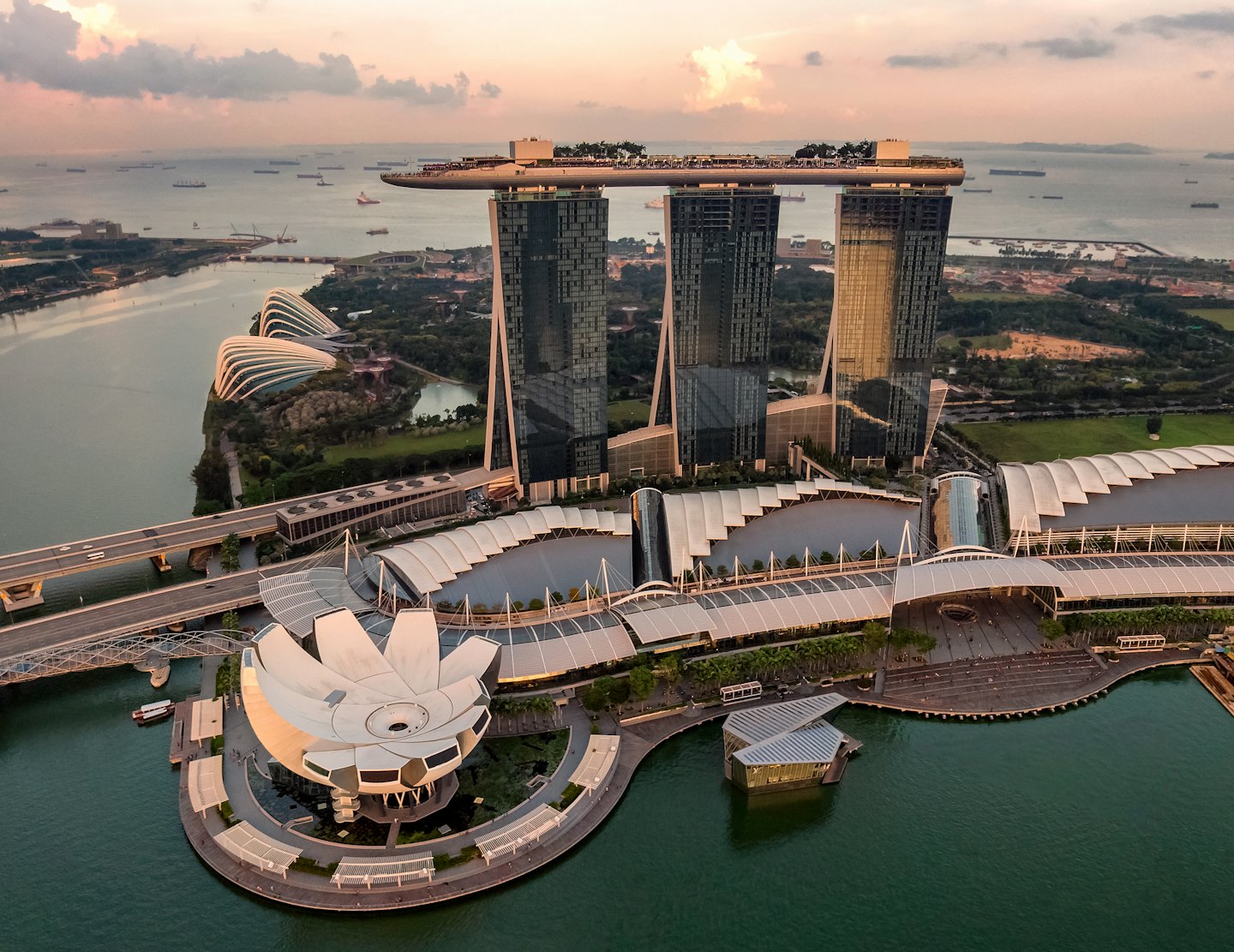
As you move toward the midpoint of the article, this paragraph provides an opportunity to connect earlier ideas with new insights. Use this space to present alternative perspectives or address potential questions readers might have. Strike a balance between depth and readability, ensuring the information remains digestible. This section can also serve as a transition to the closing points, maintaining momentum as you steer the discussion to its final stages.
Wrapping Up with Key Insights
Green spaces matter: Parks and nature reserves offer urban dwellers vital opportunities to stay active and reduce stress.
Mindfulness as balance: Simple practices like meditation, breathing, or yoga help counter the mental fatigue of city living.
Smart eating choices: Amid the rich food culture, opting for healthier hawker meals supports long-term nutrition.
Sleep and rest are essentials: Managing noise, light, and screen time improves sleep quality despite urban distractions.
Hydration and air quality: Staying hydrated and monitoring haze conditions protect physical health in Singapore’s climate.
Community connections: Social ties built through clubs, events, and family interactions strengthen emotional resilience.
Tech as a tool: Wearables and health apps can guide and motivate consistent healthy habits.
Core takeaway: Wellness in Singapore’s fast-paced environment is achievable through small, intentional lifestyle choices that balance body, mind, and community.


