
Archives August 2025

Community Building Through Mindful Living 

Community Building Through Mindful Living: Creating Connection in Modern Singapore 

In today’s fast-paced and increasingly fragmented world especially here in bustling Singapore. The concept of community building has gained renewed significance for our well-being. Throughout my journey working with seniors and diverse communities across Singapore, I’ve witnessed firsthand how community building combined with mindful living creates powerful connections that enhance relationships, promote empathy, and nurture collective wellness.

The Essence of Community Building: What I’ve Learned 

At its core, community building is about creating spaces where people feel genuinely valued, heard, and supported. In my work facilitating senior wellness programs and community initiatives, I’ve learned that building strong communities involves intentional efforts to cultivate trust, collaboration, and mutual respect.

The key elements I always emphasize include open and honest communication, shared goals that unite us, genuine inclusivity that welcomes everyone, and active participation from all members. A strong community becomes more than just a group, it transforms into a vital support system offering emotional, social, and practical resources that help each member thrive.

Mindful Living: The Foundation for Authentic Connection 

Mindful living has become central to my approach in working with communities. It emphasizes awareness, presence, and intentionality in our everyday actions and interactions. I encourage individuals to be fully engaged in each moment, to listen deeply without judgment, and to respond thoughtfully rather than react impulsively.

This practice has profound effects: it fosters genuine empathy, reduces unnecessary conflict, and enhances our ability to regulate emotions. When community members practice mindfulness together as I’ve seen in my senior wellness classes they become more likely to appreciate diverse perspectives, communicate with authentic kindness, and contribute positively to the group dynamic.

The Powerful Connection Between Mindful Living and Community Building 

Through years of facilitating community programs in Singapore, I’ve observed how mindfulness strengthens communities in specific, measurable ways:

Enhanced Communication: Mindfulness helps individuals listen actively and speak thoughtfully. In my classes, I’ve watched how this simple shift strengthens understanding and dramatically reduces misunderstandings within the community.

Increased Empathy: By cultivating self-awareness and compassion, mindful living encourages members to genuinely appreciate others’ experiences and challenges. This creates naturally supportive environments where people feel safe to be vulnerable.

Constructive Conflict Resolution: Mindfulness promotes calmness and mental clarity, enabling communities to address conflicts constructively and find common ground. I’ve mediated many situations where mindful breathing alone transformed tense moments into opportunities for understanding.

Inclusivity and Acceptance: Being present and non-judgmental helps communities embrace diversity authentically. In Singapore’s multicultural landscape, this is particularly powerful mindfulness helps us create inclusive spaces where everyone feels welcome regardless of age, background, or ability.

Collective Well-being: Mindful practices contribute significantly to individual mental and emotional health, which in turn supports the resilience and vitality of the entire community. Healthy individuals build healthy communities.

Practical Steps I Use to Foster Community Building Through Mindful Living 

Based on my experience conducting wellness programs across Singapore, here are proven strategies that work:

Encourage Mindful Communication: I actively promote practices such as active listening exercises, reflective speaking circles, and intentional pauses during conversations. These simple techniques enhance clarity and deepen connection among participants.

Create Mindfulness Spaces: In my classes and community gatherings, I establish quiet areas or dedicated moments for meditation, reflection, or simple breathing exercises. Even five minutes can transform group energy.

Host Workshops and Events: I regularly organize sessions focused on practical mindfulness techniques, emotional intelligence development, and exploring shared community values. These create safe spaces for learning and growth.

Cultivate Shared Rituals: I help communities develop meaningful traditions that emphasize presence and gratitude whether it’s starting meetings with a moment of silence or ending classes with appreciation sharing. These rituals strengthen collective identity.

Lead by Example: As a facilitator, I embody mindful behavior in every interaction, setting a tone of respect, patience, and genuine attentiveness. I’ve learned that communities mirror the energy their leaders bring.

Real Impact: What I’ve Witnessed in Singapore Communities 

The transformation I’ve seen in Singapore’s senior communities through mindful living practices has been profound. Participants who initially felt isolated or lacked confidence have blossomed into engaged, supportive community members. I’ve watched strangers become friends, skeptics become advocates, and individuals discover renewed purpose through meaningful connection.

One participant told me, “Andrew, for the first time in years, I feel truly seen and heard.” That’s the power of mindful community building, it restores our fundamental human need for belonging.

Building Singapore’s Future Through Mindful Communities 

As Singapore continues to evolve as a bustling metropolis, the need for intentional community building becomes even more critical. Our fast-paced urban lifestyle can easily fragment us, but mindful living practices offer an antidote a way to slow down, connect authentically, and support one another.

My vision is to continue expanding these mindful community initiatives across Singapore, reaching not just seniors but people of all ages who seek deeper connection and purpose. Together, we can create neighborhoods and communities that are genuinely compassionate, resilient, and inclusive.

Key Insights from My Community Building Journey 

Community is intentional: Strong connections don’t happen accidentally they require conscious effort, commitment, and mindful practices.

Mindfulness transforms relationships: Simple practices like active listening and present-moment awareness dramatically improve how we relate to others.

Everyone benefits: Mindful community building enhances both individual well-being and collective resilience simultaneously.

Start small, think big: Even brief mindfulness moments during gatherings can spark significant positive changes in group dynamics.

Leadership matters: When facilitators and community leaders model mindful behavior, it naturally spreads throughout the group.

Inclusivity is essential: Mindful, non-judgmental awareness helps communities embrace diversity and create truly welcoming spaces.

Well-being is collective: Individual mental and emotional health directly impacts community vitality we thrive together or struggle together.

Core message from Andrew Koh: Community building through mindful living is more than just a strategy or program, it’s a way of being that honors our fundamental interconnectedness as human beings. By integrating mindfulness into how we gather, communicate, and support one another, we create environments that are genuinely compassionate, resilient, and inclusive. This approach doesn’t just enhance individual well-being. It cultivates a shared sense of purpose and belonging that’s essential for thriving communities in modern Singapore and beyond. I’m honored to continue this mission, one mindful moment and meaningful connection at a time.


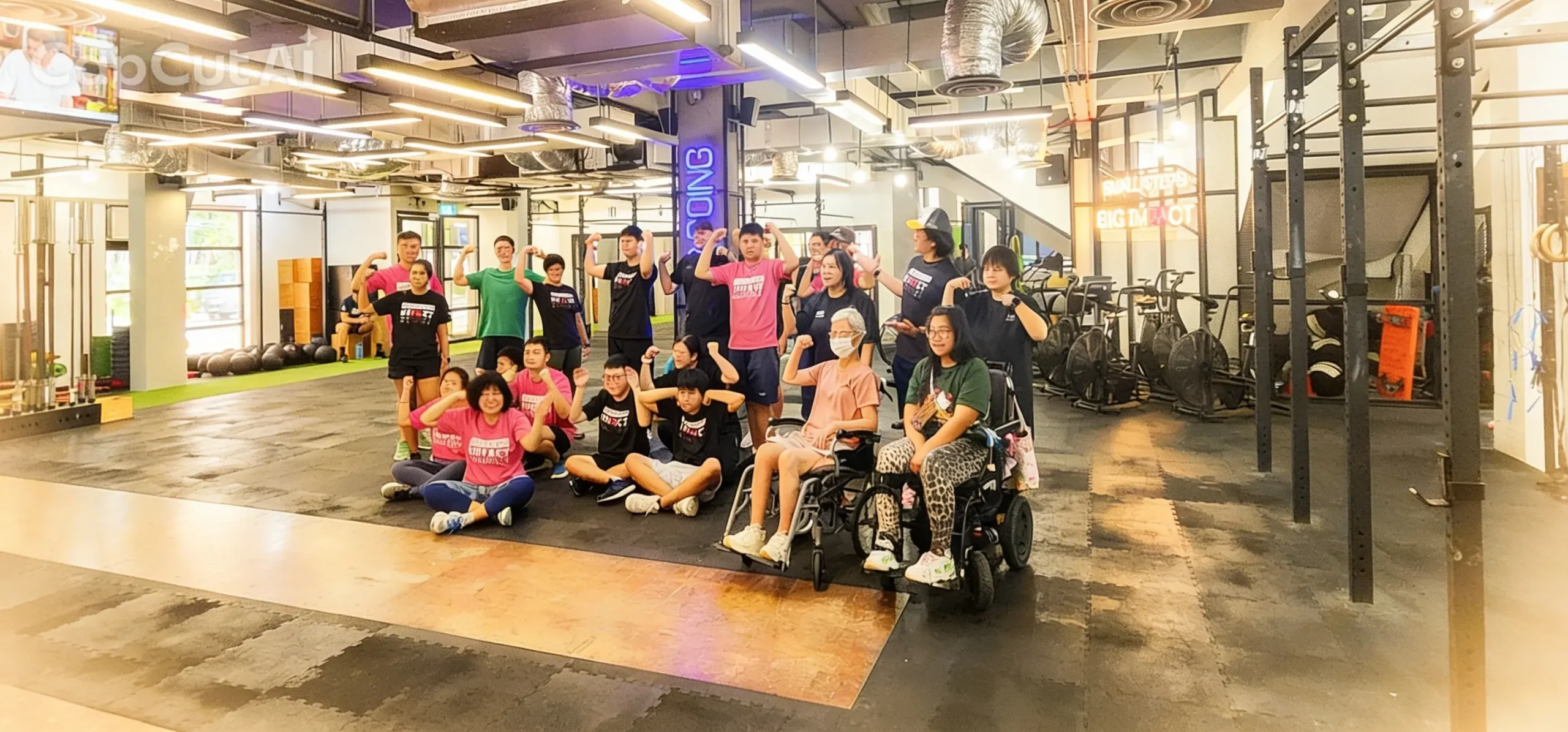
Andrew Koh leading senior community wellness and active ageing session in Singapore


Wrapping Up with Key Insights Key Insights

The Bigger Picture: Community building through mindful living is not a one-time effort but a lifelong practice that fosters belonging and collective well-being in an increasingly fragmented world.

Community thrives on connection: Intentional trust, respect, and inclusivity form the foundation of a supportive network.

Mindfulness strengthens bonds: Practicing awareness, empathy, and presence fosters deeper understanding and reduces conflict.

Synergy in action: When mindful living and community building merge, they create spaces where individuals feel safe, valued, and motivated to contribute.

Practical pathways: Small, consistent practices such as mindful communication, shared rituals, and reflective gatherings can transform groups into resilient, compassionate communities.

Healthy Senior Living in the Bustling City of Singapore

Healthy Aging in Singapore: Supporting Seniors Through Preventive Care Education 

Living in a vibrant, fast-paced city like Singapore comes with unique challenges, especially when it comes to maintaining a healthy lifestyle for our aging population. As Singapore continues to grow and modernize, the need to focus on senior health and well-being becomes increasingly critical. Andrew Koh, a dedicated advocate for senior wellness, has been at the forefront of conducting specialized classes designed to raise the self-efficacy and confidence of Singapore’s seniors empowering them to age well and live well in our urban environment.

The Challenge of Singapore’s Aging Population 

Singapore is experiencing a significant demographic shift with a rapidly increasing senior population. By 2030, one in four Singaporeans will be aged 65 and above. This trend brings the necessity of proactive measures to ensure that our elderly residents can enjoy a high quality of life, remain independent, and age gracefully.

Healthy aging requires more than just medical interventions, it demands holistic support that encourages regular physical activity, mental wellness, proper nutrition, and meaningful social engagement. Addressing these needs early through preventive care education is essential for building a resilient aging community.

Andrew Koh’s Mission: Empowering Seniors Through Education 

Andrew Koh has dedicated himself to a meaningful initiative aimed at training and guiding seniors across Singapore. Through hands-on classes and workshops, he focuses on raising self-efficacy and building confidence among elderly participants two critical factors that directly impact successful aging.

His approach recognizes that empowered seniors who believe in their abilities are more likely to adopt healthy behaviors, stay physically active, manage chronic conditions effectively, and maintain independence longer. This personal journey in supporting seniors has been both enlightening and inspiring, reinforcing the vital importance of preventive care as a long-term community mission.

Collaborative Efforts for a Healthier Senior Community 

Working alongside healthcare professionals, community leaders, government agencies like the Health Promotion Board (HPB), and Active Aging Centres, these collaborative efforts focus on equipping seniors with practical knowledge and skills for active, independent living.

Comprehensive training sessions include exercise programs tailored to various fitness levels and mobility capabilities, interactive workshops on nutrition for seniors, evidence-based guidance on managing chronic conditions like diabetes and hypertension through lifestyle modifications, and fall prevention strategies that reduce injury risk.

The Critical Role of Preventive Care Education for Seniors 

Preventive care education forms the cornerstone of Singapore’s healthy aging mission. By educating seniors on how to prevent illnesses and proactively maintain their health, we simultaneously reduce strain on healthcare systems while empowering individuals to take charge of their well-being.

Key educational topics include fall prevention techniques and home safety assessments, healthy eating habits and dietary planning for older adults, stress management and mental wellness strategies, chronic disease management through lifestyle interventions, and medication adherence and health monitoring best practices.

These preventive measures significantly improve quality of life, reduce hospitalizations, and help seniors maintain functional independence well into their golden years.

Living Actively in Singapore’s Urban Environment 

Despite the hustle and bustle of city life, Singapore offers abundant opportunities for seniors to stay active and engaged. Well-maintained parks like Bishan-Ang Mo Kio Park and East Coast Park, Senior Activity Centres and Active Aging Hubs throughout HDB estates, community centers offering subsidized fitness classes, barrier-free recreational facilities designed for accessibility, and outdoor exercise equipment specifically designed for elderly users provide safe, welcoming spaces for physical activity and social connection.

Andrew Koh’s programs actively encourage seniors to utilize these community resources, fostering a strong sense of belonging and combating social isolation, a significant health risk for elderly populations.

Building Self-Efficacy and Confidence in Seniors 

A distinctive aspect of Andrew Koh’s approach is his emphasis on building self-efficacy—the belief in one’s ability to succeed in specific situations. Research consistently shows that seniors with higher self-efficacy experience better health outcomes, greater physical activity levels, improved mental health, and enhanced quality of life.

Through progressive skill-building, positive reinforcement, peer support networks, and achievable goal-setting, participants gain confidence in their physical capabilities and develop sustainable healthy habits. This psychological empowerment is just as important as physical training in supporting successful aging.

Looking Ahead: A Sustainable Long-Term Commitment

This journey has reinforced the belief that healthy aging in Singapore’s urban landscape is achievable with appropriate support, education, and community infrastructure. The challenge of supporting an aging population is ongoing and requires sustained commitment from all sectors, government agencies, healthcare providers, community organizations, family caregivers, and seniors themselves.

Andrew Koh remains honored to contribute to this long-term mission, working toward a future where every senior in Singapore can enjoy an active, healthy, and fulfilling life with dignity and independence.

Key Takeaways: Healthy Aging in Singapore 

Demographic urgency: Singapore’s rapidly aging population demands immediate, comprehensive preventive care initiatives.

Education empowers: Preventive health education gives seniors practical tools to manage their own wellness effectively.

Self-efficacy matters: Building confidence and belief in one’s abilities dramatically improves health outcomes for elderly individuals.

Collaboration is essential: Success requires partnerships between healthcare providers, government, communities, and families.

Urban resources abound: Singapore’s parks, community centers, and programs provide accessible opportunities for active aging.

Holistic approach works best: Physical health, mental wellness, nutrition, and social connection must all be addressed together.

Long-term commitment required: Sustainable support for seniors demands ongoing effort, not one-time interventions.

Core insight: Through dedicated initiatives like Andrew Koh’s senior wellness classes, combined with collaboration, preventive education, and community engagement, Singapore can build a resilient society that values and effectively supports healthy aging. Together, we can ensure that every senior has the confidence, resources, and support needed to age well and live well in the heart of our bustling city.


Exploring Singapore’s Future Through Its Past

Exploring Singapore’s Future Through Its Past: Heritage, Innovation, and Vision 

Singapore is a city-state that seamlessly blends tradition with modernity, creating a unique narrative that continues to captivate the world. To understand Singapore’s future trajectory and ambitious smart nation goals, it is essential to explore its rich history and the foundational values that have shaped its remarkable transformation from a humble trading port to a global hub of innovation and prosperity.

A Journey Rooted in History: Singapore’s Multicultural Foundation 

From its establishment as a British trading port in 1819 by Sir Stamford Raffles, Singapore has been a dynamic melting pot of cultures, ideas, and ambitions. Early settlers and immigrants from China, India, the Malay Archipelago, and beyond brought diverse customs, languages, and traditions, laying the groundwork for Singapore’s multicultural society.

This ethnic and cultural diversity remains a cornerstone of Singapore’s national identity today. The harmonious coexistence of different communities has fostered social cohesion, creative innovation, and economic dynamism, qualities that continue to define Singapore’s competitive advantage in the global marketplace.

Lessons from Challenges Overcome: Resilience and Pragmatism 

Singapore’s history is fundamentally marked by resilience in the face of seemingly insurmountable obstacles. With virtually no natural resources, limited land area, geopolitical uncertainties, and initial economic hardships following independence in 1965, the young nation faced an uncertain future.

However, Singapore adopted pragmatic and forward-thinking policies under visionary leadership. The remarkable success of its public housing initiatives (HDB estates housing over 80% of the population), world-class education system, and strategic economic diversification all stem from lessons learned during these formative years. These challenges taught Singapore the importance of meritocracy, long-term planning, continuous adaptation, and investing in human capital principles that remain central to national policy today.

Preserving Heritage Amidst Rapid Progress 

While gleaming skyscrapers and cutting-edge technological infrastructure symbolize Singapore’s remarkable progress, the careful preservation of heritage sites and cultural practices illustrates a deep commitment to honoring the past while building the future.

Historic neighborhoods like Chinatown, Little India, Kampong Glam, and Katong serve as living museums and cultural anchors, educating both residents and international visitors about the city’s diverse origins. Conservation efforts for colonial architecture, traditional shophouses, and heritage temples demonstrate that Singapore’s vision of progress includes safeguarding cultural memory and identity for future generations.

Singapore skyline at Marina Bay featuring Marina Bay Sands and Gardens by the Bay at night

Marina Bay skyline symbolising Singapore’s transformation into a global city.

Shaping the Future with Historical Insights 

Singapore’s ambitious future goals becoming a leading smart nation, advancing environmental sustainability, developing a knowledge-based economy, and fostering inclusive social cohesion are deeply informed by historical experiences and proven values.

The national emphasis on adaptability in changing global conditions, inclusivity across diverse communities, innovation-driven solutions, and strong community engagement directly reflects principles cultivated over decades of nation-building. Singapore’s past teaches that sustainable success requires balancing economic growth with social equity, technological advancement with cultural preservation, and global competitiveness with local rootedness.


From Past to Future: Singapore’s Continuous Evolution 

Understanding how Singapore’s past informs its future reveals several key patterns. The nation’s ability to turn limitations into opportunities transforming water scarcity into world-leading water technology, or limited land into vertical urban innovation demonstrates creative problem-solving rooted in historical necessity.

Similarly, Singapore’s commitment to education, skills development, and lifelong learning reflects lessons from its resource-poor beginnings: human capital is the nation’s greatest asset. As Singapore navigates emerging challenges like climate change, aging demographics, and technological disruption, it draws on this historical playbook of pragmatism, foresight, and social cohesion.

Key Insights: Connecting Singapore’s Past and Future 

Heritage shapes identity: Singapore’s multicultural foundation continues to drive innovation, creativity, and global connectivity in the modern era.

Resilience through adversity: Historical challenges taught pragmatic problem-solving and long-term thinking that guide current smart nation initiatives.

Balance is essential: Preserving cultural heritage while embracing technological progress creates a distinctive Singaporean model of development.

Values remain constant: Meritocracy, inclusivity, adaptability, and community engagement proven over decades, continue to steer national policy.

Human capital matters most: Investment in education and skills, born from resource scarcity, remains Singapore’s competitive advantage.

Innovation with purpose: Future ambitions in sustainability and smart technology reflect historical lessons about turning constraints into opportunities.

Core takeaway: Exploring Singapore’s past offers invaluable insights into the principles guiding its future. By embracing its history, Singapore not only preserves its unique identity but also creates a roadmap for continued innovation, sustainable growth, and social harmony. Understanding this deep connection between past and future enhances appreciation of Singapore as a dynamic city-state that honors its roots while confidently reaching toward tomorrow.