The evolution of real estate in Singapore has been remarkable, with many industry veterans noting how different today’s market is compared to the past. Traditional methods of simply listing properties and waiting for buyers no longer suffice. Instead, success in Singapore’s real estate scene now hinges on a strong human connection combined with technology-driven insights and rapid, precise collaboration with relevant partners. With over 36,058 salespersons operating in the country, competition is fierce. Leading big 4 property portals such as PropertyGuru, 99.co, EdgeProp, and SRX are continuously evolving to stay relevant by integrating advanced data analytics, virtual tours, and user-friendly platforms. Additionally, the role of agents in the future is shifting from commission-based salespeople to service-oriented advisors who prioritize client needs, leveraging technology to provide personalized, efficient, and transparent experiences. This blend of human touch and tech innovation is shaping the future of real estate in Singapore.
The Evolution of Real Estate in SingaporeSingapore’s real estate landscape has undergone a remarkable transformation over the decades, mirroring the city-state’s rapid economic growth and urban development. From humble beginnings to becoming a global property hub, the evolution of real estate in Singapore offers fascinating insights into the city’s planning, policies, and market dynamics.
Early Beginnings: Colonial Era and Post-War Development
In the early 19th century, Singapore was a strategic trading port under British colonial rule. Real estate was primarily focused around the port and the central business district, with colonial-style shophouses and warehouses dominating the skyline. Residential areas were limited, and much of the population lived in kampongs (villages) or simple terrace houses.
After World War II, Singapore faced housing shortages due to rapid population growth and urban migration. The government took decisive steps to address these issues, marking the start of large-scale public housing initiatives.
The Rise of Public Housing: HDB’s Role
The Housing & Development Board (HDB), established in 1960, revolutionized Singapore’s real estate sector by providing affordable public housing to the masses. The HDB flats, built with efficiency and quality in mind, helped eradicate squatter settlements and improved living standards for millions of Singaporeans.
Over the years, HDB estates evolved from basic flats to vibrant neighborhoods with amenities like schools, parks, and shopping centers, fostering strong community bonds.
Private Property Market: Luxury and Innovation
Parallel to public housing, Singapore’s private property market flourished, especially from the 1980s onwards. The government introduced policies to regulate the market, ensuring sustainable growth and preventing speculative bubbles.
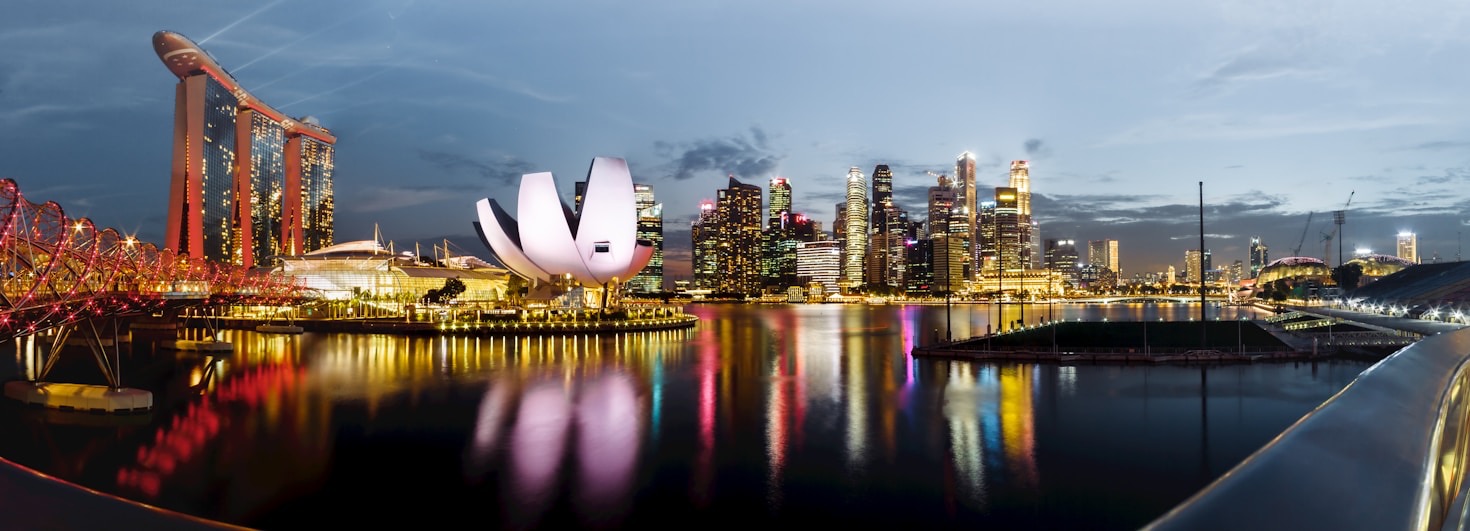
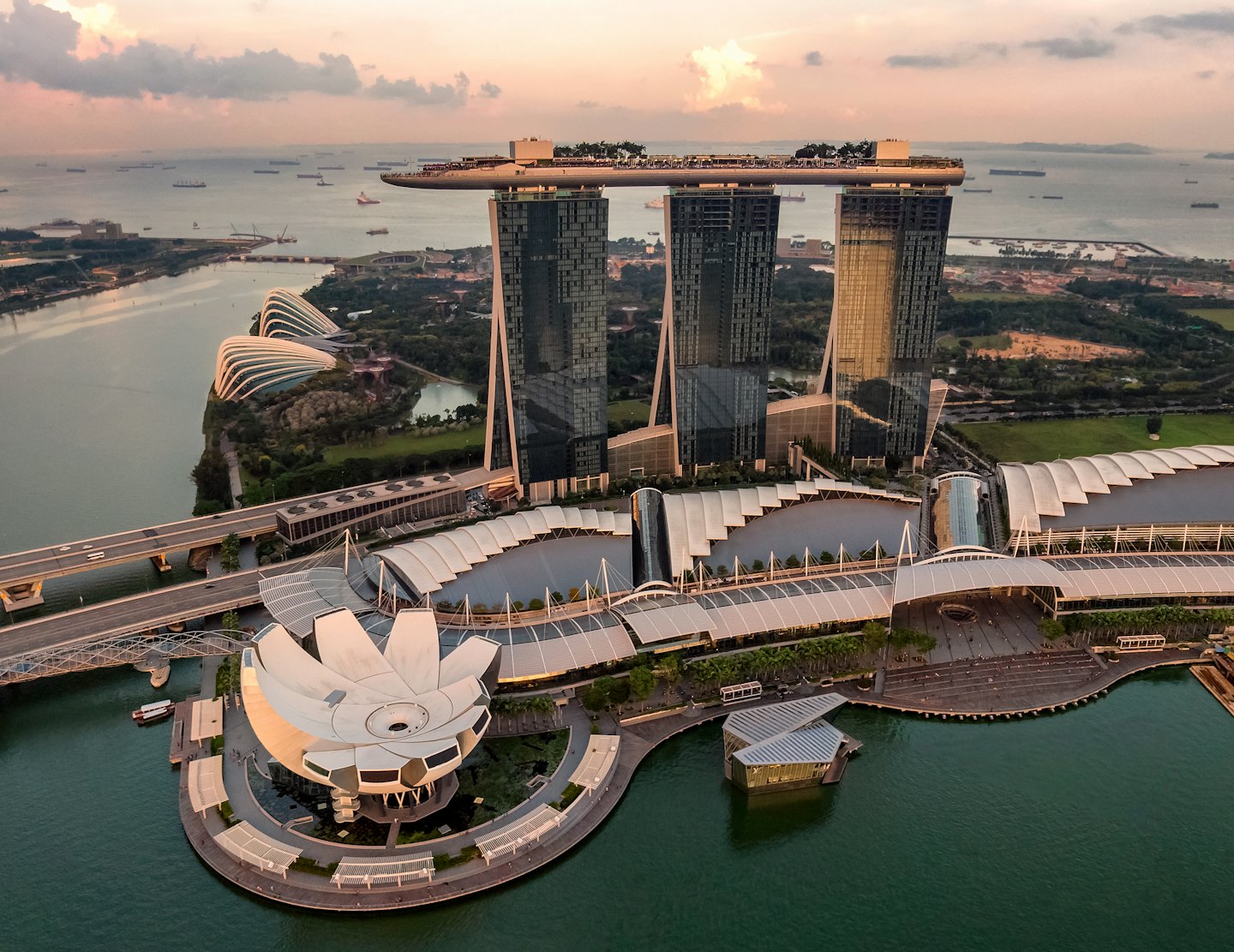
Singapore became known for innovative architecture and integrated developments combining residential, commercial, and recreational spaces. Iconic projects like Marina Bay Sands and the Pinnacle@Duxton exemplify the city’s ambition and design excellence.
Smart Urban Planning and Sustainability
In recent years, Singapore has embraced smart urban planning and sustainability in its real estate development. The city’s Urban Redevelopment Authority (URA) focuses on creating liveable, green, and connected spaces. Initiatives include green building standards, smart homes, and efficient public transportation links integrated with real estate projects.
Challenges and Future Outlook
Despite its successes, Singapore’s real estate market faces challenges such as land scarcity, price affordability, and changing demographics. The government continues to implement cooling measures and innovative solutions like vertical greenery and underground developments.
Looking ahead, Singapore aims to balance growth with quality of life, leveraging technology and sustainable practices to maintain its status as a global real estate leader.
Conclusion
The evolution of real estate in Singapore is a testament to visionary planning, adaptability, and resilience. From colonial shophouses to futuristic smart homes, Singapore’s property landscape reflects its journey towards becoming a dynamic and sustainable metropolis. As the city continues to evolve, its real estate sector remains a vital pillar of growth and innovation.

As you move toward the midpoint of the article, this paragraph provides an opportunity to connect earlier ideas with new insights. Use this space to present alternative perspectives or address potential questions readers might have. Strike a balance between depth and readability, ensuring the information remains digestible. This section can also serve as a transition to the closing points, maintaining momentum as you steer the discussion to its final stages.
Wrapping Up with Key Insights
Human connection remains central: Trust, empathy, and personalized service continue to define real estate, with technology serving to strengthen—not replace—relationships.
Tech-powered transformation: AI, VR, blockchain, and Big Data are streamlining processes, improving transparency, and enabling smarter decision-making for buyers, sellers, and investors.
Smart and sustainable living: IoT-enabled homes and eco-friendly developments reflect Singapore’s commitment to innovation and sustainability.
Data-driven advantage: Analytics provide accurate valuations, demand forecasting, and investment insights, empowering both consumers and professionals.
Balancing challenges: Issues like data privacy and digital inequality exist, but Singapore’s strong regulatory and educational frameworks help ensure inclusivity and trust.
The future outlook: The fusion of human values and cutting-edge technology is setting new benchmarks—making Singapore’s real estate market more customer-centric, efficient, and future-ready.