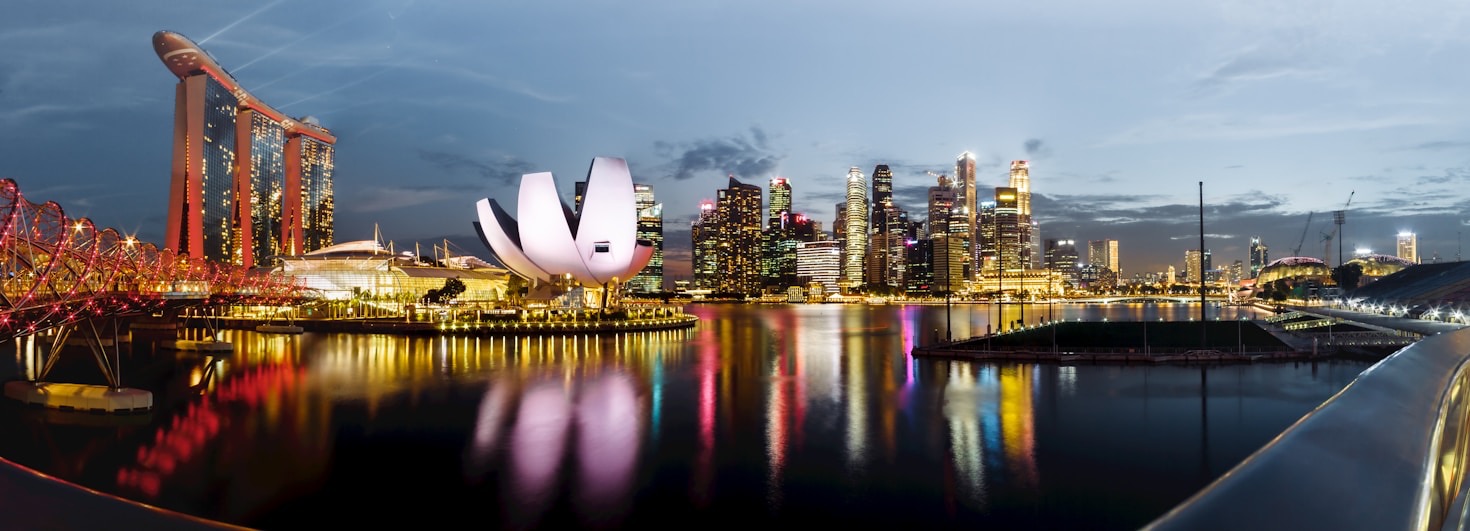
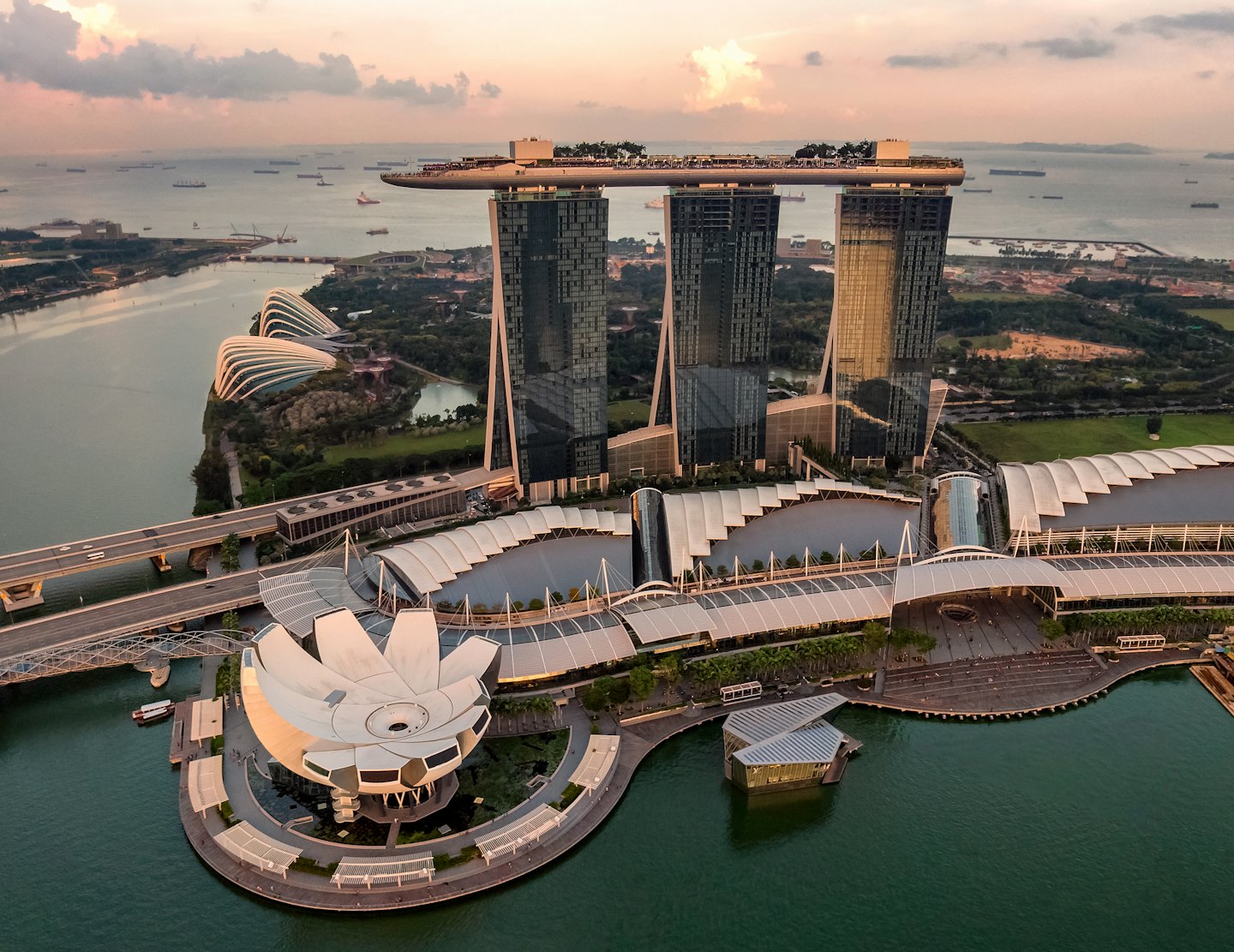
Singapore is renowned for its impressive skyline, cutting-edge technology, and bustling urban life. Yet, beneath this modern facade lies a rich tapestry of heritage that profoundly shapes the city-state’s identity and daily living. Understanding how heritage influences contemporary Singapore offers a deeper appreciation of its unique culture, vibrant communities, and forward-looking spirit.
A Melting Pot of Cultures
Singapore’s heritage is a blend of diverse ethnicities—including Chinese, Malay, Indian, and Eurasian communities—each contributing to the nation’s cultural mosaic. This multiculturalism is not just celebrated during festivals but is woven into the everyday fabric of life. From the food hawker centers offering an array of ethnic cuisines to traditional practices and languages still spoken in neighborhoods, heritage remains a living and breathing part of the city.
Heritage in Urban Planning
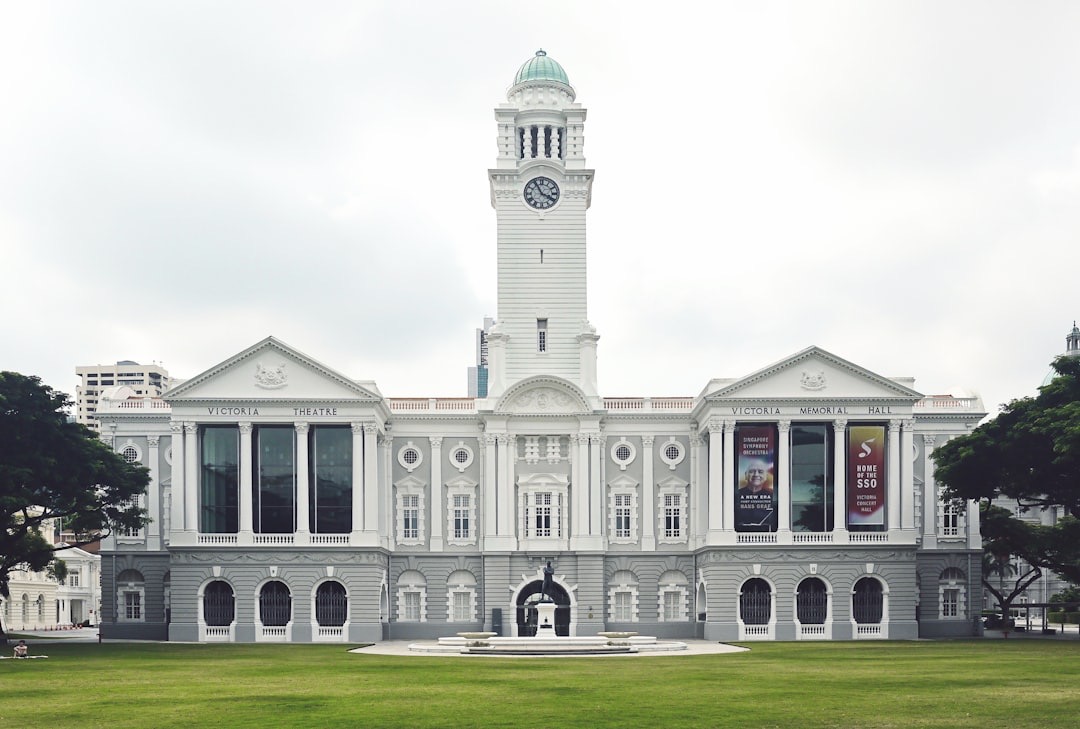
Despite rapid modernization, Singapore places great emphasis on preserving its historical sites and integrating them into urban development. Areas like Chinatown, Little India, and Kampong Glam showcase a seamless blend of old and new, where heritage buildings stand alongside modern skyscrapers. The government’s conservation efforts ensure that these culturally significant areas retain their charm, offering residents and visitors a glimpse into Singapore’s past.
Architecture and Design
Modern Singaporean architecture often draws inspiration from traditional motifs and styles. Public housing, while highly functional and innovative, incorporates communal spaces that foster neighborly interactions reminiscent of earlier kampong (village) life. Buildings like the Peranakan shophouses with their intricate tile work and colorful facades are cherished symbols of heritage that influence contemporary design aesthetics.
Culinary Traditions
Food is perhaps the most tangible way heritage shapes modern living in Singapore. The city’s hawker culture, recognized by UNESCO, is a testament to the preservation and celebration of culinary traditions passed down through generations. Modern chefs and entrepreneurs continue to reinvent traditional dishes, blending old recipes with new techniques, thus keeping heritage alive and relevant.
Festivals and Community Life
Cultural festivals such as Chinese New Year, Hari Raya Puasa, Deepavali, and Thaipusam are more than just holidays; they are vital expressions of Singapore’s heritage that foster community spirit and continuity. These celebrations bring people together, reinforcing a shared identity while educating younger generations about their roots.
Heritage as a Source of Innovation
Interestingly, heritage in Singapore does not hinder progress; rather, it inspires innovation. The respect for tradition coexists with a drive for modernization, leading to creative solutions that honor the past while embracing the future. This dynamic interplay is evident in sectors like fashion, arts, and urban sustainability.
Conclusion
Heritage is the cornerstone upon which modern Singapore is built. It enriches the city’s character, informs its development, and nurtures a sense of belonging among its people. By valuing and integrating its cultural roots, Singapore continues to thrive as a vibrant, inclusive, and forward-thinking nation. Understanding this connection between heritage and modern living not only enhances our appreciation of Singapore but also offers valuable insights into how tradition can harmoniously coexist with progress.
Wrapping Up with Key Insights
Core takeaway: Singapore thrives because it treasures its heritage while boldly innovating, creating a society that is vibrant, inclusive, and future-ready.
Heritage shapes identity: Singapore’s multicultural roots—Chinese, Malay, Indian, and Eurasian—remain deeply woven into daily life, from food to traditions.
Balance of old and new: Conservation of historical sites alongside modern architecture reflects a respect for the past while embracing progress.
Heritage in design and living: From kampong-inspired communal spaces to iconic Peranakan shophouses, traditional influences continue to inspire contemporary urban planning.
Food as living heritage: Hawker culture and reinvented traditional dishes keep culinary traditions alive, bridging generations.
Festivals as community glue: Celebrations like Chinese New Year, Hari Raya Puasa, and Deepavali sustain cultural continuity and strengthen unity.
Tradition fuels innovation: Heritage is not a barrier but a catalyst for creativity in arts, fashion, and sustainable development.
Leave a Reply