Living in Singapore’s bustling urban environment presents unique wellness challenges, but practical tips can help city dwellers maintain their health and well-being. Prioritizing regular physical activity, such as walking or cycling in parks like East Coast Park or MacRitchie Reservoir, can counteract sedentary office routines. Incorporating mindfulness practices, such as meditation or deep-breathing exercises, can reduce stress from the fast-paced city life. Ensuring a balanced diet with fresh local produce from hawker centers supports nutrition while staying budget-friendly. Additionally, maintaining adequate sleep despite noise and light pollution is crucial; using blackout curtains and white noise machines can improve sleep quality. Finally, fostering social connections through community events or interest groups helps build a support network, enhancing emotional wellness in the urban landscape.

Living in a bustling metropolis like Singapore offers many conveniences, from efficient public transport to an abundance of dining options. However, urban living can also bring challenges to maintaining wellness, such as stress, limited green spaces, and a fast-paced lifestyle. Here are some practical wellness tips tailored for Singapore’s urban dwellers to help you stay balanced and healthy.

  1. Embrace Outdoor Activities in Green Spaces

Despite being a highly urbanized city-state, Singapore boasts numerous parks, gardens, and nature reserves. Places like the Singapore Botanic Gardens, East Coast Park, and MacRitchie Reservoir offer great opportunities for walking, jogging, cycling, or simply unwinding in nature. Regular exposure to green environments has been proven to reduce stress and improve mental well-being.

  1. Incorporate Mindfulness into Your Daily Routine

Mindfulness practices such as meditation, deep breathing exercises, or yoga can help combat the mental fatigue caused by city noise and hectic schedules. You can join classes at community centres or wellness studios, or use mobile apps to practice mindfulness anytime, anywhere.

  1. Prioritize Healthy Eating Habits

Singapore’s food scene is vibrant, but it can be tempting to indulge in processed or fast foods. Make a conscious effort to include more fresh fruits, vegetables, whole grains, and lean proteins in your meals. Hawker centres also offer many healthy options like fish soup, yong tau foo, and vegetable rice dishes.

  1. Stay Hydrated and Manage Air Quality Exposure

The tropical climate means it’s easy to get dehydrated, so always carry a water bottle with you. Additionally, urban air pollution can impact respiratory health. Consider monitoring the air quality index (AQI) and avoid outdoor activities during haze episodes or high pollution days.

  1. Establish a Consistent Sleep Schedule

City life can disrupt sleep patterns due to artificial lighting and round-the-clock activity. Aim to establish a regular sleep routine by going to bed and waking up at consistent times. Creating a calming pre-sleep environment by reducing screen time and noise can also enhance sleep quality.

  1. Connect with Community and Social Networks

Urban living can sometimes feel isolating. Engage in community events, join clubs or interest groups, and spend quality time with family and friends. Strong social connections contribute significantly to emotional resilience and overall wellness.

  1. Utilize Technology for Health Monitoring

Leverage wearable devices and health apps to track your physical activity, sleep, and nutrition. Setting achievable wellness goals and monitoring your progress can motivate you to maintain healthy habits amidst a busy urban lifestyle.

Conclusion

Wellness in an urban environment like Singapore requires intentional choices and habits. By integrating these practical tips into your daily life, you can enjoy the vibrancy of city living while nurturing your physical and mental health. Remember, small consistent steps can lead to significant improvements in your overall well-being.

As you move toward the midpoint of the article, this paragraph provides an opportunity to connect earlier ideas with new insights. Use this space to present alternative perspectives or address potential questions readers might have. Strike a balance between depth and readability, ensuring the information remains digestible. This section can also serve as a transition to the closing points, maintaining momentum as you steer the discussion to its final stages.

Wrapping Up with Key Insights

Green spaces matter: Parks and nature reserves offer urban dwellers vital opportunities to stay active and reduce stress.

Mindfulness as balance: Simple practices like meditation, breathing, or yoga help counter the mental fatigue of city living.

Smart eating choices: Amid the rich food culture, opting for healthier hawker meals supports long-term nutrition.

Sleep and rest are essentials: Managing noise, light, and screen time improves sleep quality despite urban distractions.

Hydration and air quality: Staying hydrated and monitoring haze conditions protect physical health in Singapore’s climate.

Community connections: Social ties built through clubs, events, and family interactions strengthen emotional resilience.

Tech as a tool: Wearables and health apps can guide and motivate consistent healthy habits.

Core takeaway: Wellness in Singapore’s fast-paced environment is achievable through small, intentional lifestyle choices that balance body, mind, and community.

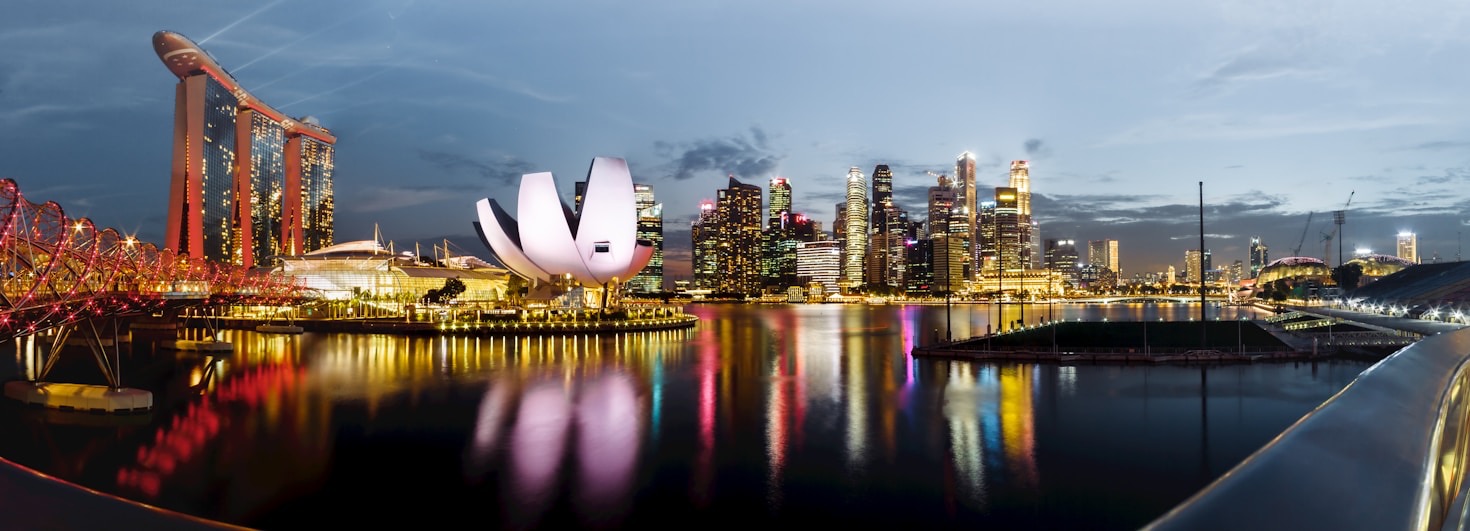
Singapore skyline at dusk, reflecting the city's blend of heritage, modern living and long term growth

The evolution of real estate in Singapore has been remarkable, with many industry veterans noting how different today’s market is compared to the past. Traditional methods of simply listing properties and waiting for buyers no longer suffice. Instead, success in Singapore’s real estate scene now hinges on a strong human connection combined with technology-driven insights and rapid, precise collaboration with relevant partners. With over 36,058 salespersons operating in the country, competition is fierce. Leading big 4 property portals such as PropertyGuru, 99.co, EdgeProp, and SRX are continuously evolving to stay relevant by integrating advanced data analytics, virtual tours, and user-friendly platforms. Additionally, the role of agents in the future is shifting from commission-based salespeople to service-oriented advisors who prioritize client needs, leveraging technology to provide personalized, efficient, and transparent experiences. This blend of human touch and tech innovation is shaping the future of real estate in Singapore.


The Evolution of Real Estate in Singapore

Singapore’s real estate landscape has undergone a remarkable transformation over the decades, mirroring the city-state’s rapid economic growth and urban development. From humble beginnings to becoming a global property hub, the evolution of real estate in Singapore offers fascinating insights into the city’s planning, policies, and market dynamics.

Early Beginnings: Colonial Era and Post-War Development

In the early 19th century, Singapore was a strategic trading port under British colonial rule. Real estate was primarily focused around the port and the central business district, with colonial-style shophouses and warehouses dominating the skyline. Residential areas were limited, and much of the population lived in kampongs (villages) or simple terrace houses.

After World War II, Singapore faced housing shortages due to rapid population growth and urban migration. The government took decisive steps to address these issues, marking the start of large-scale public housing initiatives.

The Rise of Public Housing: HDB’s Role

The Housing & Development Board (HDB), established in 1960, revolutionized Singapore’s real estate sector by providing affordable public housing to the masses. The HDB flats, built with efficiency and quality in mind, helped eradicate squatter settlements and improved living standards for millions of Singaporeans.

Over the years, HDB estates evolved from basic flats to vibrant neighborhoods with amenities like schools, parks, and shopping centers, fostering strong community bonds.

Private Property Market: Luxury and Innovation

Parallel to public housing, Singapore’s private property market flourished, especially from the 1980s onwards. The government introduced policies to regulate the market, ensuring sustainable growth and preventing speculative bubbles.

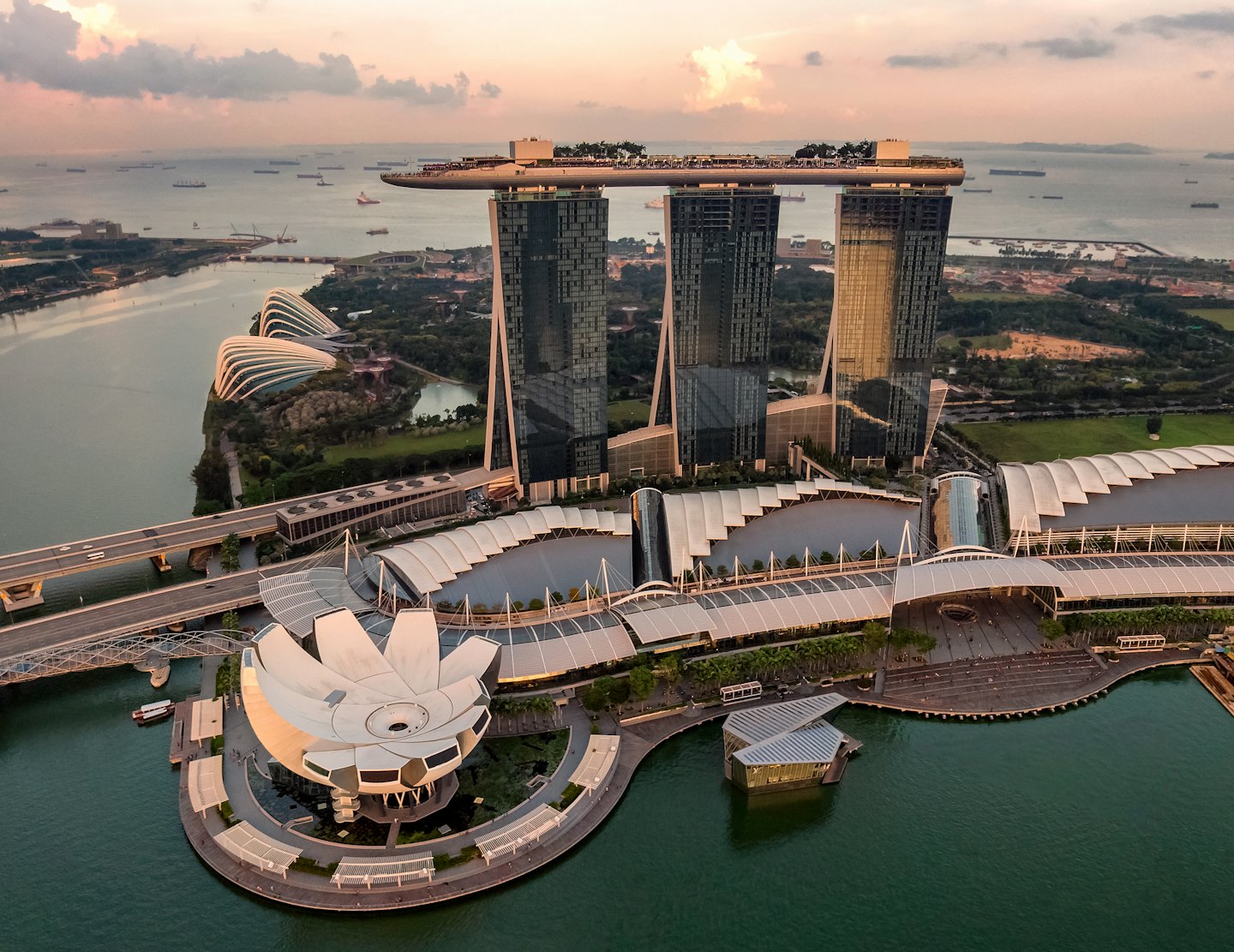
Singapore became known for innovative architecture and integrated developments combining residential, commercial, and recreational spaces. Iconic projects like Marina Bay Sands and the Pinnacle@Duxton exemplify the city’s ambition and design excellence.

Smart Urban Planning and Sustainability

In recent years, Singapore has embraced smart urban planning and sustainability in its real estate development. The city’s Urban Redevelopment Authority (URA) focuses on creating liveable, green, and connected spaces. Initiatives include green building standards, smart homes, and efficient public transportation links integrated with real estate projects.

Challenges and Future Outlook

Despite its successes, Singapore’s real estate market faces challenges such as land scarcity, price affordability, and changing demographics. The government continues to implement cooling measures and innovative solutions like vertical greenery and underground developments.

Looking ahead, Singapore aims to balance growth with quality of life, leveraging technology and sustainable practices to maintain its status as a global real estate leader.

Conclusion

The evolution of real estate in Singapore is a testament to visionary planning, adaptability, and resilience. From colonial shophouses to futuristic smart homes, Singapore’s property landscape reflects its journey towards becoming a dynamic and sustainable metropolis. As the city continues to evolve, its real estate sector remains a vital pillar of growth and innovation.

As you move toward the midpoint of the article, this paragraph provides an opportunity to connect earlier ideas with new insights. Use this space to present alternative perspectives or address potential questions readers might have. Strike a balance between depth and readability, ensuring the information remains digestible. This section can also serve as a transition to the closing points, maintaining momentum as you steer the discussion to its final stages.

Wrapping Up with Key Insights

Human connection remains central: Trust, empathy, and personalized service continue to define real estate, with technology serving to strengthen—not replace—relationships.

Tech-powered transformation: AI, VR, blockchain, and Big Data are streamlining processes, improving transparency, and enabling smarter decision-making for buyers, sellers, and investors.

Smart and sustainable living: IoT-enabled homes and eco-friendly developments reflect Singapore’s commitment to innovation and sustainability.

Data-driven advantage: Analytics provide accurate valuations, demand forecasting, and investment insights, empowering both consumers and professionals.

Balancing challenges: Issues like data privacy and digital inequality exist, but Singapore’s strong regulatory and educational frameworks help ensure inclusivity and trust.

The future outlook: The fusion of human values and cutting-edge technology is setting new benchmarks—making Singapore’s real estate market more customer-centric, efficient, and future-ready.

Staying active daily is essential for maintaining good health, and incorporating top fitness routines can help you achieve this goal effectively. Some of the best routines include a mix of cardiovascular exercises like running or cycling, strength training with weights or resistance bands, and flexibility workouts such as yoga or Pilates. High-intensity interval training (HIIT) is also highly effective for burning calories and improving endurance in a shorter amount of time. Additionally, activities like swimming and brisk walking are excellent low-impact options suitable for all fitness levels. By varying your workouts and staying consistent, you can keep your body energized, improve overall fitness, and enjoy a healthier lifestyle.

Staying active daily is essential for maintaining good health, and incorporating top fitness routines can help you achieve this goal effectively. Some of the best routines include a mix of cardiovascular exercises like running or cycling, strength training with weights or resistance bands, and flexibility workouts such as yoga or Pilates. High-intensity interval training (HIIT) is also highly effective for burning calories and improving endurance in a shorter amount of time. Additionally, activities like swimming and brisk walking are excellent low-impact options suitable for all fitness levels. By varying your workouts and staying consistent, you can keep your body energized, improve overall fitness, and enjoy a healthier lifestyle.

Wrapping Up with Key Insights

Balance is key: A mix of cardio, strength, and flexibility exercises supports overall health and performance.

HIIT for efficiency: Short, intense workouts maximize calorie burn and endurance gains in less time.

Low-impact options matter: Swimming and brisk walking provide accessible, joint-friendly choices for all fitness levels.

Consistency drives results: Regular, varied routines keep workouts engaging, boost energy, and build long-term wellness.

Core takeaway: Staying active daily with diverse, enjoyable routines is the most effective way to sustain a healthier lifestyle.

Unearthing Singapore’s heritage offers a fascinating journey through time, revealing the rich tapestry of cultures, traditions, and histories that have shaped the city-state. From ancient artifacts and colonial architecture to vibrant cultural festivals and historic neighborhoods like Chinatown and Little India, each element tells a story of resilience, diversity, and transformation. Exploring museums, heritage trails, and preserved monuments allows visitors and locals alike to connect with Singapore’s past, fostering a deeper appreciation for its unique identity and the efforts made to preserve its legacy for future generations. This journey through time not only celebrates Singapore’s achievements but also highlights the enduring spirit that continues to drive its progress.

Unearthing Singapore’s heritage offers a fascinating journey through time, revealing the rich tapestry of cultures, traditions, and histories that have shaped the city-state. Beyond gleaming skyscrapers and modern conveniences lies a living story that connects the past with the present.

I often find myself reflecting on how much of Singapore’s soul is anchored in its heritage. A simple walk through Chinatown, Kampong Glam, or Little India reminds me that each district is more than just a tourist attraction—it is a chapter of our shared story. From the intricate designs of shophouses to the aroma of spices that fill the air, every corner whispers the resilience of those who came before us.

Heritage is not just about monuments or museums; it lives in the everyday moments. The lively chatter at hawker centres in different dialects, the rituals passed down through families, the joyous celebrations during Deepavali, Hari Raya, and Chinese New Year—all these create a cultural heartbeat that is uniquely Singapore.

For those who wish to go deeper, a visit to our National Museum of Singapore and National Gallery Singapore is a must. These institutions offer immersive experiences where art, history, and heritage converge. Recently, I attended City of Others: Asian Artists in Paris, 1920s–1940s, a groundbreaking exhibition at the National Gallery. It re-examined Parisian art history through Asian perspectives, shining light on voices often overlooked. Standing before these works, I was reminded that Singapore’s own story is also one of perspectives, shaped by diverse influences and evolving identities.

One of my fondest childhood memories is also tied to heritage spaces like Haw Par Villa. Back then, its colourful statues and mythical tales were both bewildering and fascinating. Revisiting it as an adult, I realise how those stories carried moral lessons about life, right and wrong, and the importance of doing good. That is what heritage does—it evolves with us, offering fresh perspectives as we grow.

To unearth heritage is not to stay in the past. It is to understand our identity, find meaning in our roots, and embrace the future with confidence. By remembering where we came from, we discover who we are today.

Singapore’s story is still being written, and each of us plays a part in keeping its heritage alive. The past may shape us, but how we preserve and celebrate it will determine the legacy we leave behind.

As you move toward the midpoint of the article, this paragraph provides an opportunity to connect earlier ideas with new insights. Use this space to present alternative perspectives or address potential questions readers might have. Strike a balance between depth and readability, ensuring the information remains digestible. This section can also serve as a transition to the closing points, maintaining momentum as you steer the discussion to its final stages.

Heritage is living, not static – It exists in our daily traditions, languages, and celebrations, not only in museums.

Museums and galleries deepen our understanding – Visiting the National Museum of Singapore and National Gallery Singapore connects us with stories beyond textbooks.

Personal experiences enrich heritage – Whether it’s childhood memories at Haw Par Villa or exhibitions like City of Others, every encounter adds new meaning.

Preserving heritage is a shared responsibility – Each of us plays a part in ensuring that traditions and stories continue for future generations.

Heritage shapes identity – By understanding where we came from, we discover who we are today and chart where we are headed tomorrow.

✨ Singapore’s heritage is not just about looking back—it’s about finding purpose in the present and inspiration for the future.

Singapore is renowned for its impressive skyline, cutting-edge technology, and bustling urban life. Yet, beneath this modern facade lies a rich tapestry of heritage that profoundly shapes the city-state’s identity and daily living. Understanding how heritage influences contemporary Singapore offers a deeper appreciation of its unique culture, vibrant communities, and forward-looking spirit.

A Melting Pot of Cultures

Singapore’s heritage is a blend of diverse ethnicities—including Chinese, Malay, Indian, and Eurasian communities—each contributing to the nation’s cultural mosaic. This multiculturalism is not just celebrated during festivals but is woven into the everyday fabric of life. From the food hawker centers offering an array of ethnic cuisines to traditional practices and languages still spoken in neighborhoods, heritage remains a living and breathing part of the city.

Heritage in Urban Planning

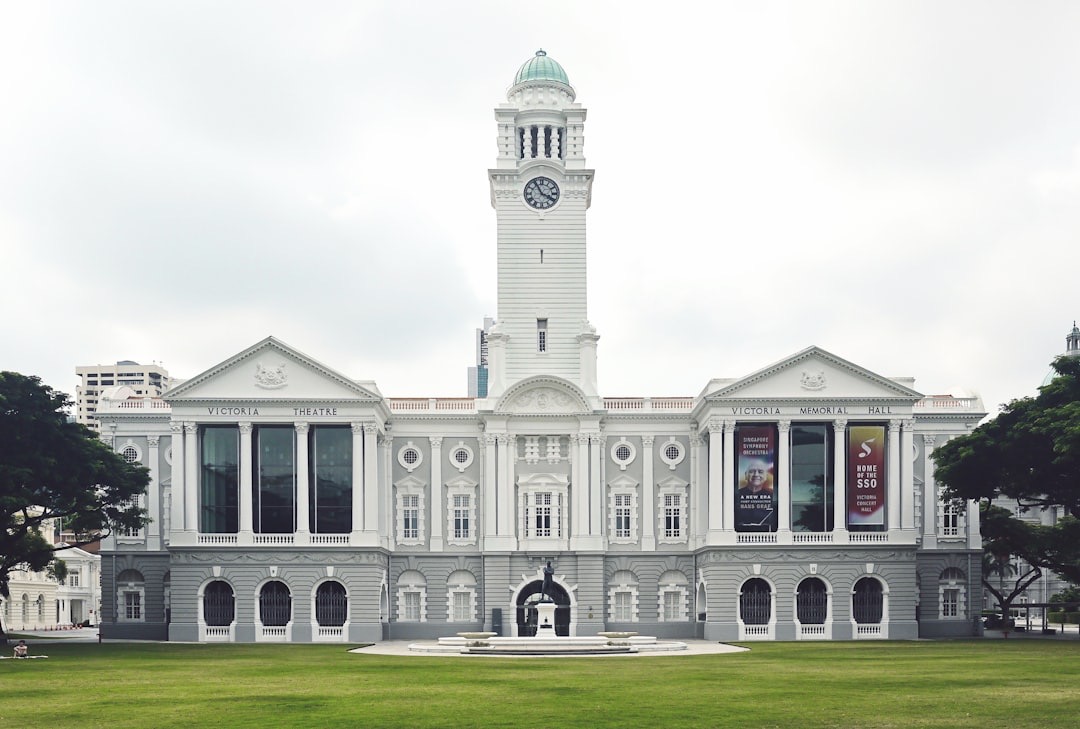
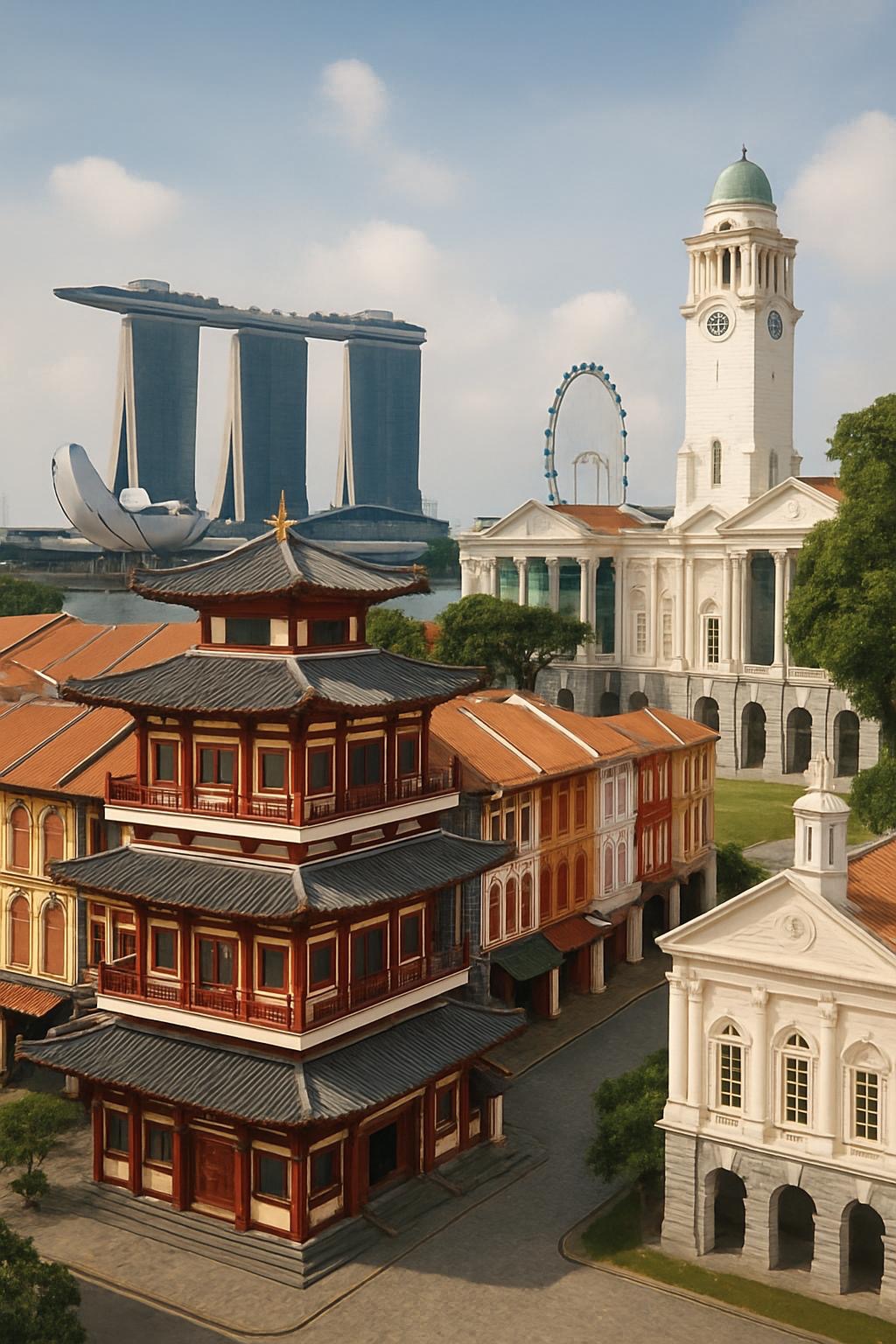
Despite rapid modernization, Singapore places great emphasis on preserving its historical sites and integrating them into urban development. Areas like Chinatown, Little India, and Kampong Glam showcase a seamless blend of old and new, where heritage buildings stand alongside modern skyscrapers. The government’s conservation efforts ensure that these culturally significant areas retain their charm, offering residents and visitors a glimpse into Singapore’s past.

Architecture and Design

Modern Singaporean architecture often draws inspiration from traditional motifs and styles. Public housing, while highly functional and innovative, incorporates communal spaces that foster neighborly interactions reminiscent of earlier kampong (village) life. Buildings like the Peranakan shophouses with their intricate tile work and colorful facades are cherished symbols of heritage that influence contemporary design aesthetics.

Culinary Traditions

Food is perhaps the most tangible way heritage shapes modern living in Singapore. The city’s hawker culture, recognized by UNESCO, is a testament to the preservation and celebration of culinary traditions passed down through generations. Modern chefs and entrepreneurs continue to reinvent traditional dishes, blending old recipes with new techniques, thus keeping heritage alive and relevant.

Festivals and Community Life

Cultural festivals such as Chinese New Year, Hari Raya Puasa, Deepavali, and Thaipusam are more than just holidays; they are vital expressions of Singapore’s heritage that foster community spirit and continuity. These celebrations bring people together, reinforcing a shared identity while educating younger generations about their roots.

Heritage as a Source of Innovation

Interestingly, heritage in Singapore does not hinder progress; rather, it inspires innovation. The respect for tradition coexists with a drive for modernization, leading to creative solutions that honor the past while embracing the future. This dynamic interplay is evident in sectors like fashion, arts, and urban sustainability.

Conclusion

Heritage is the cornerstone upon which modern Singapore is built. It enriches the city’s character, informs its development, and nurtures a sense of belonging among its people. By valuing and integrating its cultural roots, Singapore continues to thrive as a vibrant, inclusive, and forward-thinking nation. Understanding this connection between heritage and modern living not only enhances our appreciation of Singapore but also offers valuable insights into how tradition can harmoniously coexist with progress.

Wrapping Up with Key Insights

Core takeaway: Singapore thrives because it treasures its heritage while boldly innovating, creating a society that is vibrant, inclusive, and future-ready.

Heritage shapes identity: Singapore’s multicultural roots—Chinese, Malay, Indian, and Eurasian—remain deeply woven into daily life, from food to traditions.

Balance of old and new: Conservation of historical sites alongside modern architecture reflects a respect for the past while embracing progress.

Heritage in design and living: From kampong-inspired communal spaces to iconic Peranakan shophouses, traditional influences continue to inspire contemporary urban planning.

Food as living heritage: Hawker culture and reinvented traditional dishes keep culinary traditions alive, bridging generations.

Festivals as community glue: Celebrations like Chinese New Year, Hari Raya Puasa, and Deepavali sustain cultural continuity and strengthen unity.

Tradition fuels innovation: Heritage is not a barrier but a catalyst for creativity in arts, fashion, and sustainable development.

In today’s fast-paced and often fragmented world, the concept of community building has gained renewed significance. Community building is the process of fostering connections, trust, and a sense of belonging among individuals within a group. When combined with mindful living, it creates a powerful synergy that enhances relationships, promotes empathy, and nurtures collective well-being.

The Essence of Community Building

At its core, community building is about creating spaces where people feel valued, heard, and supported. It involves intentional efforts to cultivate trust, collaboration, and mutual respect. Key elements include open communication, shared goals, inclusivity, and active participation. A strong community acts as a support system, offering emotional, social, and sometimes practical resources to its members.

Mindful Living: A Foundation for Connection

Mindful living emphasizes awareness, presence, and intentionality in everyday actions. It encourages individuals to be fully engaged in the moment, to listen deeply, and to respond rather than react. This practice fosters empathy, reduces conflict, and enhances emotional regulation. When community members practice mindfulness, they are more likely to appreciate diverse perspectives, communicate with kindness, and contribute positively to the group dynamic.

The Connection Between Mindful Living and Community Building

  1. Enhanced Communication: Mindfulness helps individuals listen actively and speak thoughtfully, which strengthens understanding and reduces misunderstandings within the community.
  2. Increased Empathy: By cultivating self-awareness and compassion, mindful living encourages members to appreciate others’ experiences and challenges, fostering a supportive environment.
  3. Conflict Resolution: Mindfulness promotes calmness and clarity, enabling communities to address conflicts constructively and find common ground.
  4. Inclusivity and Acceptance: Being present and non-judgmental helps communities embrace diversity and create inclusive spaces where everyone feels welcome.
  5. Collective Well-being: Mindful practices contribute to the mental and emotional health of individuals, which in turn supports the resilience and vitality of the whole community.

Practical Steps to Foster Community Building Through Mindful Living

  • Encourage Mindful Communication: Promote practices such as active listening, reflective speaking, and pauses during conversations to enhance clarity and connection.
  • Create Mindfulness Spaces: Establish quiet areas or moments within community gatherings for meditation, reflection, or simply breathing exercises.
  • Host Workshops and Events: Organize sessions focused on mindfulness techniques, emotional intelligence, and community values.
  • Cultivate Shared Rituals: Develop community traditions that emphasize presence and gratitude, strengthening collective identity.
  • Lead by Example: Encourage community leaders and members to embody mindful behavior, setting a tone of respect and attentiveness.

Conclusion

Community building through mindful living is more than just a strategy; it is a way of being that honors the interconnectedness of individuals. By integrating mindfulness into community practices, groups can create environments that are compassionate, resilient, and inclusive. This approach not only enhances individual well-being but also cultivates a shared sense of purpose and belonging, essential for thriving communities in the modern world.

As you move toward the midpoint of the article, this paragraph provides an opportunity to connect earlier ideas with new insights. Use this space to present alternative perspectives or address potential questions readers might have. Strike a balance between depth and readability, ensuring the information remains digestible. This section can also serve as a transition to the closing points, maintaining momentum as you steer the discussion to its final stages.

Wrapping Up with Key Insights

Key Insights

The Bigger Picture: Community building through mindful living is not a one-time effort but a lifelong practice that fosters belonging and collective well-being in an increasingly fragmented world.

Community thrives on connection: Intentional trust, respect, and inclusivity form the foundation of a supportive network.

Mindfulness strengthens bonds: Practicing awareness, empathy, and presence fosters deeper understanding and reduces conflict.

Synergy in action: When mindful living and community building merge, they create spaces where individuals feel safe, valued, and motivated to contribute.

Practical pathways: Small, consistent practices—such as mindful communication, shared rituals, and reflective gatherings—can transform groups into resilient, compassionate communities.

A Personal Journey in Supporting Our Seniors

Living in a vibrant and fast-paced city like Singapore comes with its unique challenges, especially when it comes to maintaining a healthy lifestyle. As the city continues to grow and modernize, so does the need to focus on the well-being of its senior residents, particularly the aging population. I recently had the privilege to collaborate with various stakeholders in a meaningful initiative aimed at training and guiding seniors across Singapore. This experience has been both enlightening and inspiring, underscoring the importance of preventive care education as a long-term mission.

The Challenge of an Aging Population

Singapore is facing a demographic shift with an increasing number of seniors in the community. This trend brings to the forefront the necessity of proactive measures to ensure that our elderly population can enjoy a high quality of life. Aging gracefully and healthily requires more than just medical care; it involves holistic support that encourages physical activity, mental wellness, and social engagement.

Collaboration for a Healthier Future

Working alongside healthcare professionals, community leaders, and government agencies, our collaborative efforts have focused on equipping seniors with the knowledge and skills they need to live actively and independently. Training sessions have included exercise programs tailored to various fitness levels, workshops on nutrition, and guidance on managing chronic conditions through lifestyle changes.

The Role of Preventive Care Education

Preventive care is the cornerstone of this mission. By educating seniors on how to prevent illnesses and maintain their health, we not only reduce the strain on healthcare systems but also empower individuals to take charge of their well-being. Topics such as fall prevention, healthy eating habits, and stress management have been integral parts of our educational outreach.

Living Actively in Singapore’s Urban Environment

Despite the hustle and bustle of city life, Singapore offers numerous opportunities for seniors to stay active. Parks, community centers, and recreational facilities provide safe spaces for exercise and social interaction. Our programs encourage seniors to make use of these resources, fostering a sense of community and belonging.

Looking Ahead: A Sustainable Commitment

This journey has reinforced my belief that healthy living in Singapore’s urban landscape is achievable with the right support and education. The fight against the challenges posed by an aging population is ongoing, and it requires sustained effort from all sectors of society. I am honored to be part of this long-term mission, contributing to a future where every senior can enjoy an active, healthy, and fulfilling life.

In conclusion, promoting healthy living among seniors in Singapore is not just a goal but a necessity. Through collaboration, education, and community engagement, we can build a resilient society that values and supports its elderly members. Together, we can make healthy aging a reality in the heart of the bustling city.

Singapore is a city that seamlessly blends tradition with modernity, creating a unique narrative that continues to evolve. To understand its future trajectory, it is essential to look back at its rich history and the foundational values that have shaped its growth.

A Journey Rooted in History

From its establishment as a trading port in 1819, Singapore has been a melting pot of cultures, ideas, and ambitions. Early settlers and immigrants brought with them diverse customs and traditions, laying the groundwork for a multicultural society. This diversity remains a cornerstone of Singapore’s identity, fostering harmony and innovation.

Lessons from Challenges Overcome

Singapore’s history is marked by resilience. Facing limited natural resources, geopolitical uncertainties, and economic hardships, the nation adopted pragmatic and forward-thinking policies. The success of its housing initiatives, education system, and economic diversification stem from lessons learned during its formative years.

Preserving Heritage Amidst Progress

While skyscrapers and technological advancements symbolize Singapore’s progress, the preservation of heritage sites and cultural practices illustrates a commitment to honoring the past. Neighborhoods like Chinatown, Little India, and Kampong Glam serve as living museums, educating residents and visitors about the city’s origins.

Shaping the Future with Historical Insights

Singapore’s future ambitions—becoming a smart nation, advancing sustainability, and fostering social cohesion—are deeply informed by its past experiences. The emphasis on adaptability, inclusivity, and community engagement reflects values cultivated over decades.

Conclusion

Exploring Singapore’s past offers invaluable insights into the principles guiding its future. By embracing its history, Singapore not only preserves its unique identity but also paves the way for continued innovation and growth. Understanding this connection enhances appreciation of Singapore as a dynamic city that honors its roots while reaching for the future.