Text size
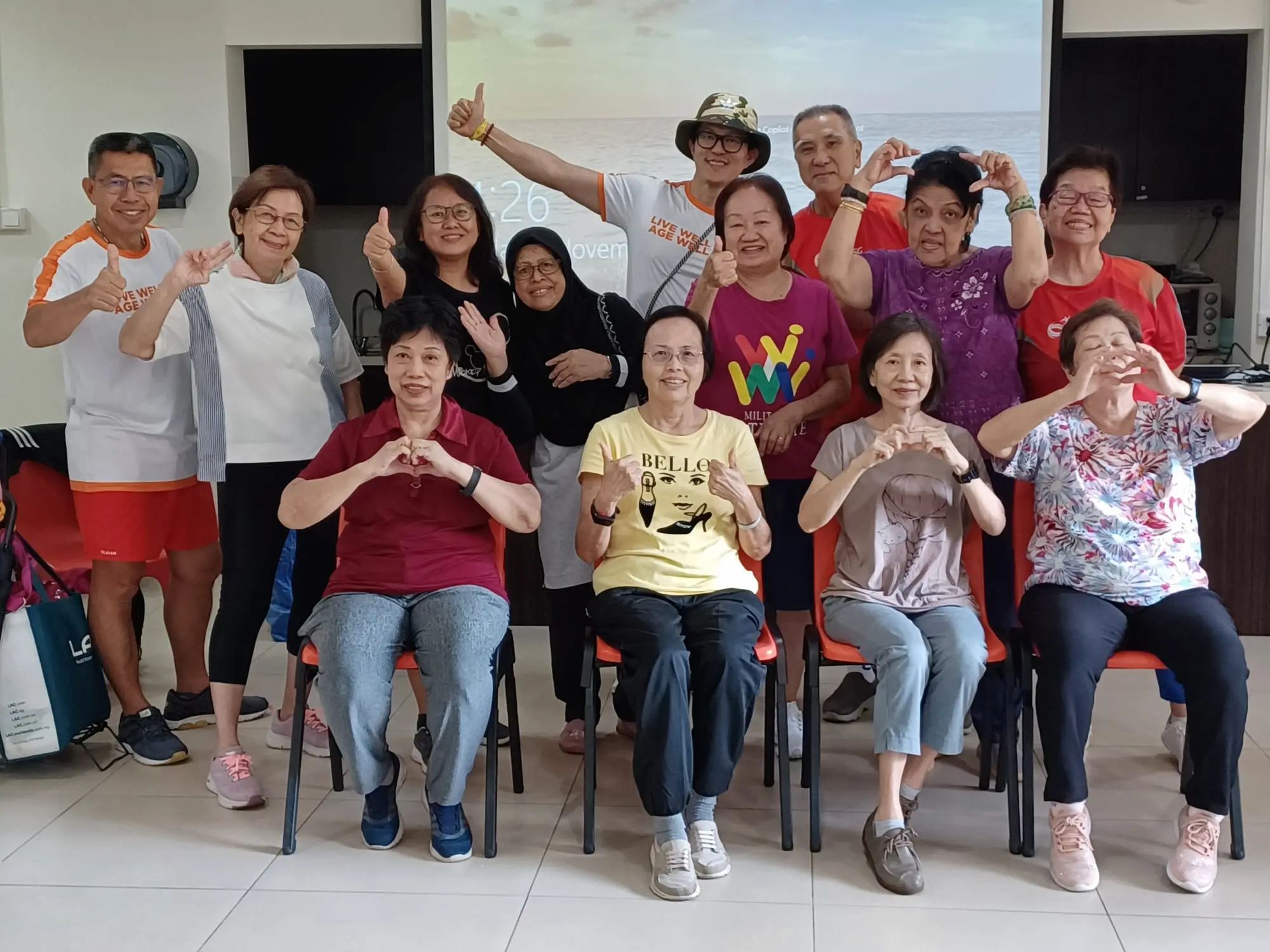
Seniors, volunteers and community members coming together in Singapore
AndrewKoh.sg · Strategic Living · Community

Community Building for a Future-Forward Singapore

Singapore can build smarter homes, better healthcare, faster technology and stronger infrastructure. But the future we ultimately create will also be measured by something far more human: whether people still feel seen, needed and that they belong.

Sometimes, Community Begins with Someone Simply Noticing

Imagine an ordinary afternoon somewhere in Singapore.

At the void deck, an older resident sits quietly by himself. People pass him on their way home. A delivery rider hurries past. Parents collect their children. Someone is looking at a phone. Another person is rushing to catch the bus.

Nothing appears unusual.

Then someone stops.

“Uncle, how are you today?”

Perhaps the conversation lasts only five minutes. Perhaps it leads nowhere. Or perhaps those five minutes are the first real conversation that person has had all day.

There may be no programme name for that moment. No attendance sheet. No photograph. No key performance indicator.

Yet something important has happened.

Someone has been noticed.

Someone has been reminded that he still matters.

And perhaps that is where the real work of community building begins.
Community Is More Than Bringing People Together

We often associate community building with activities, events, volunteering, exercise groups, celebrations or gatherings.

These are valuable. They create opportunities for people to meet.

But putting people in the same physical space does not automatically create community.

Community begins when people feel that they are seen, heard, respected and able to contribute.

A strong community is not defined only by how many people participate. It is defined by whether people feel that they belong.

It is the senior who does not feel forgotten. The caregiver who knows that someone understands. The person living alone who has somebody to call. The volunteer who feels that his or her effort has meaning. The child who grows up learning that society is not only about personal achievement, but also about responsibility to others.

These relationships are difficult to measure.

But they are part of the invisible social infrastructure that holds a society together.

Singapore Has Built Remarkable Systems. What Must We Build Next?

Singapore's story has always been closely connected with planning for the future.

We built public housing. We developed transport networks. We strengthened healthcare. We invested in education. We digitalised services. We transformed neighbourhoods.

Each generation inherited something from the generation before it, improved upon it, and prepared it for those who came next.

Today, Singapore is entering another important transition.

Our population is ageing. Families are changing. Technology is reshaping how we live and communicate. Caregiving needs are growing. Longevity is changing retirement. Artificial intelligence will transform work and many everyday services.

These developments create enormous possibilities.

But they also raise a deeper question.

As Singapore becomes more advanced, how do we make sure we do not become less connected?

A future-ready Singapore therefore cannot only be technologically capable, economically competitive and physically well-designed.

It must remain a society where people continue to have a meaningful stake in one another.

The Direction Is Already Becoming Clear

Several important national directions increasingly point towards the same idea: Singapore's future requires not only capable institutions, but stronger participation, inclusion and social connection.

Forward Singapore

Forward Singapore refreshed the idea of our social compact: the shared understanding of our responsibilities towards ourselves, our families and one another, and our collective stake in Singapore's future.

Age Well SG

Age Well SG recognises that ageing well must happen not only through healthcare, but within homes and communities, with opportunities for seniors to remain active, socially connected and supported.

Smart Nation 2.0

Singapore's refreshed Smart Nation vision is built around Trust, Growth and Community, including a specific goal of using technology in ways that help keep society together.

The programmes are different. Their policy objectives are different.

But there is an important common thread.

People must remain at the centre of progress.

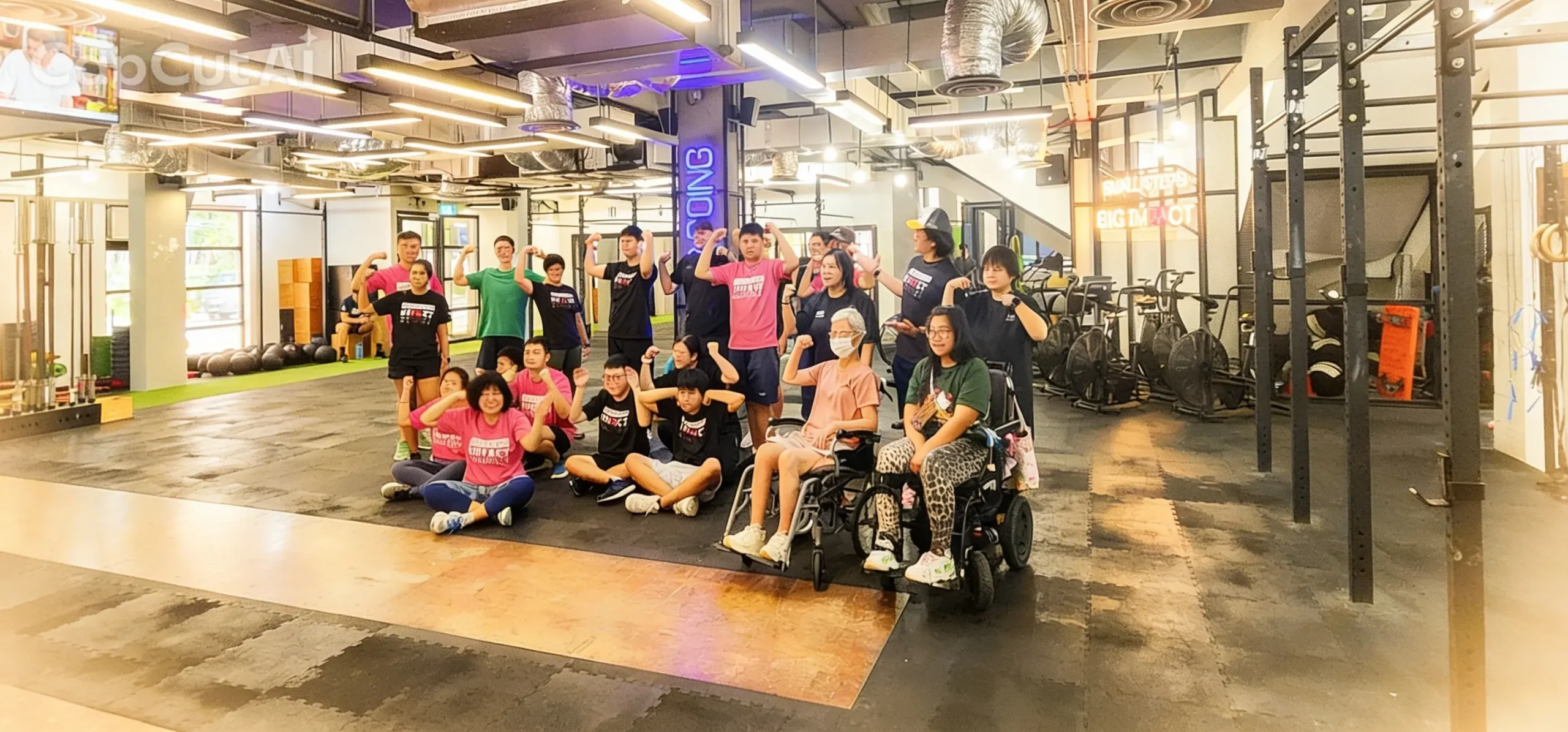
Active ageing and community participation in Singapore
Active Ageing with Purpose Movement can build confidence. Participation can build connection.
Singapore heritage, people and community belonging
Heritage, Identity & Belonging Remembering where we came from while deciding what kind of society we want to become.

Hardware. Software. Heartware.

One way I think about Singapore's future is through three interconnected layers.

Layer 01

Hardware

Homes, transport, parks, healthcare facilities, digital infrastructure and community spaces give society the physical foundation to function.

Layer 02

Software

Policies, services, programmes, institutions and support systems determine how resources are organised and delivered.

Layer 03

Heartware

Trust, empathy, patience, responsibility and human connection determine whether people actually feel they belong.

Hardware can create a beautiful community space.

Software can create a programme to bring people there.

But heartware determines whether someone notices the senior sitting quietly at the side and walks over to include him.

We need all three.

Because a resilient society must be both capable and compassionate.

Active Ageing Is Also About Belonging

Much of my work and learning over the years has brought me into contact with seniors, fitness, wellness, community care and people navigating different stages of life.

One lesson continues to stand out.

Exercise matters. Strength matters. Mobility matters. Nutrition matters.

But people also need a reason to get up, somewhere to go, somebody to meet and something meaningful to contribute.

Longevity is not only about adding years to life. The deeper challenge is helping people retain dignity, connection, purpose and agency within those additional years.

A senior who attends an exercise group may gain improved movement.

But he may also gain a friend.

A senior who volunteers may contribute time.

But she may also regain a sense that others still need her experience.

Someone who was gradually becoming invisible may become part of a community again.

This is why active ageing cannot belong only to hospitals, clinics, nursing homes or fitness programmes.

It must also live in our neighbourhoods, homes, parks, activity spaces, coffee shops and everyday relationships.

Community Starts with Everyday Behaviour

We often imagine that meaningful social change requires large programmes.

Sometimes it does.

But community is also built through thousands of ordinary decisions that rarely receive attention.

01

Notice Earlier

Many people do not openly ask for help. A senior may be proud. A caregiver may be exhausted. A family may be struggling quietly. Paying attention allows support to begin before a small problem becomes a crisis.

02

Listen Before Judging

Listening is one of the simplest forms of respect. When people feel heard, they are more willing to participate, seek help and remain connected.

03

Include, Not Merely Invite

An invitation does not automatically create inclusion. The real question is whether a person feels safe, respected and comfortable enough to take part.

04

Reconnect Generations

Younger people have much to learn from the lived experience of older Singaporeans. Seniors also benefit when society continues to value their knowledge, perspective and contribution.

05

Move from Concern to Contribution

Check on someone. Volunteer. Share knowledge. Encourage a caregiver. Help a senior navigate technology. Bring someone into a conversation. Small acts are small only when viewed individually. Repeated across a society, they become culture.

The More Digital We Become, the More Human We Must Remain

Technology will be an increasingly important part of how Singapore lives.

Artificial intelligence, digital healthcare, smart homes, online public services and new communication tools can make everyday life safer, faster and more convenient.

Used well, technology can also help people stay connected, access services, learn new skills and participate in society.

But technology should strengthen human connection, not quietly replace it.

A smart society should not merely connect devices. It should help connect people.

This is particularly important as more parts of daily life move online.

Progress should make participation easier, not leave behind people who are less confident, less digitally capable, older or simply more comfortable with human assistance.

The future should be technologically sophisticated and deeply human at the same time.

What the Ground Continues to Teach Me

My own perspective has been shaped gradually.

Through fitness and wellness work, interactions with seniors, community activities, volunteering, property conversations and learning about community care, I have seen how closely different parts of a person's life are connected.

A housing problem may also be a caregiving problem.

A mobility problem may become a social-isolation problem.

A financial decision may affect whether someone can age comfortably at home.

A person who appears physically independent may still be lonely.

And someone who receives support may also have knowledge and experience that society has forgotten to ask for.

That is why I increasingly believe community building should not be treated as a side activity.

It is part of national resilience.

When people know their neighbours, families feel supported, seniors remain included, volunteers have purpose and generations understand one another, society becomes better able to absorb change.

How Community Fits into Strategic Living

Strategic Living began for me as a way of thinking more holistically about the decisions we make across life.

Property should not be considered separately from retirement.

Health should not be considered separately from longevity.

Longevity should not be considered separately from housing, caregiving, mobility, family and financial sustainability.

And none of those should be considered separately from community.

Home Where and how we live, age and support family.
Health Maintaining movement, capability and independence.
Community Relationships, participation and belonging.
Resilience Preparing people and families for life's transitions.

These are not separate worlds.

They are different parts of the same life.

Strategic Living is ultimately about building a life that remains workable, meaningful and resilient as circumstances change.

A Stronger Singapore Is Built One Relationship at a Time

National resilience can sound like a very large idea.

But perhaps it begins with very small things.

One resident checking on another.

One younger person helping a senior understand a digital service.

One volunteer remembering someone's name.

One caregiver being asked, “How are you coping?”

One senior being invited not merely to receive, but to contribute.

One child learning that success means more than doing well individually.

None of these actions will transform Singapore alone.

But millions of such interactions, repeated over years, help determine what kind of country Singapore becomes.

Singapore's Broader Direction

This article represents my personal reflection on community, ageing and Strategic Living. The themes also connect with several wider national initiatives and policy directions.

Official references are provided for readers who wish to explore the respective national initiatives. AndrewKoh.sg is an independent platform and is not affiliated with or endorsed by the Government of Singapore.

Continue Exploring Strategic Living

AndrewKoh.sg explores how property, longevity, active ageing, community and major life decisions increasingly intersect in Singapore.

The Singapore We Leave Behind

One day, many of us will be the older person sitting at the side of the room.

We may walk more slowly. We may need help understanding whatever technology exists then.

Our children may be busy. Our friends may become fewer. The neighbourhood around us may have changed.

And when that day comes, perhaps what will matter most will not be how advanced the building is, how intelligent the technology is, or how efficient the system has become.

Perhaps what will matter is whether somebody still notices us.

Whether someone remembers our name.

Whether there is still somewhere we belong.

If that is the Singapore we would want for ourselves one day, then perhaps that is the Singapore we should help build for others today.

With purpose, perspective and shared responsibility,

Andrew Koh

AndrewKoh.sg · Strategic Living in Singapore