Heritage & Community · Singapore · Personal Reflection
An unexpected visit to Bowyer Block, a poster recognising 60 years of service, and a simple message inside SGH made me pause: how much of another person’s life do we really see?
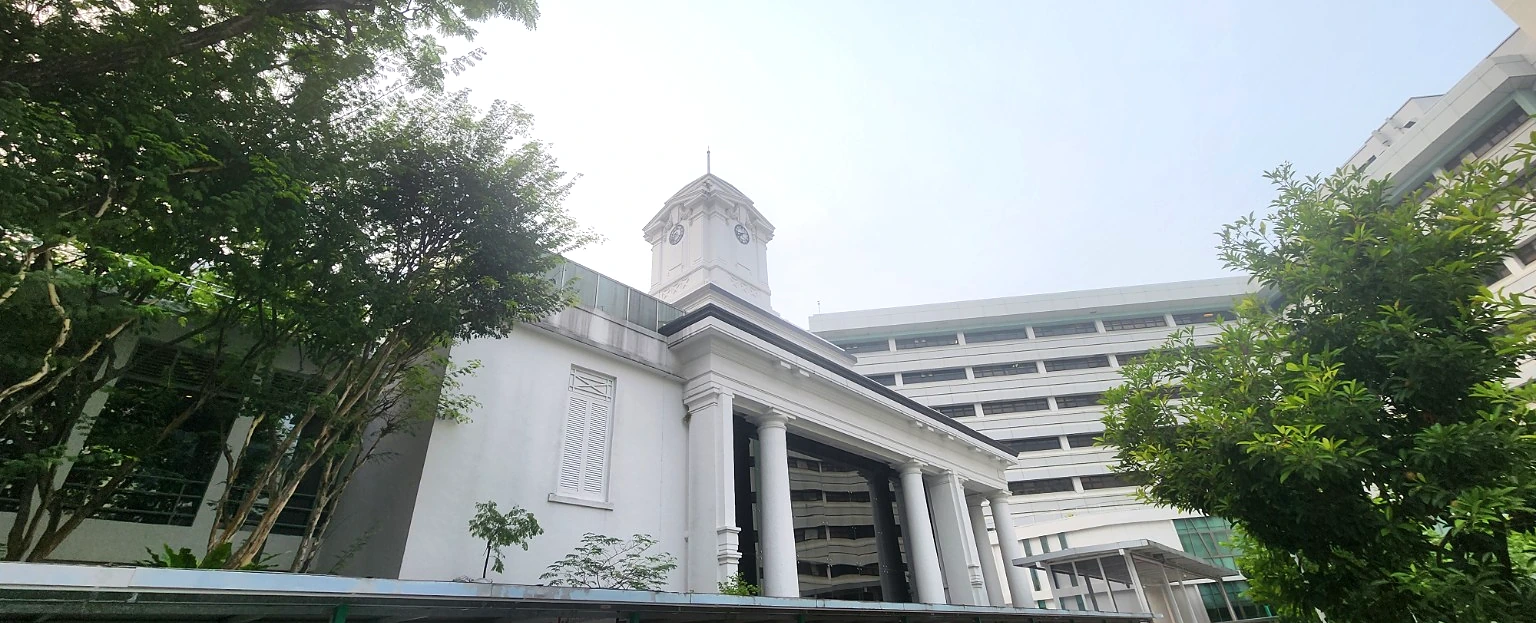
An unexpected pause at Bowyer Block
During a visit to Singapore General Hospital, I found myself drawn towards Bowyer Block. I had not planned to explore the museum, but something about the building made me pause and step inside.
There was a quiet pull to understand what was here. Among the photographs, familiar names and quotations, I began thinking about the people behind Singapore’s healthcare story.
We often encounter a hospital through whatever brings us there that day. A museum invites a different view: the years of work, learning and service that came before us, and the many lives connected through care.
I slowed down. I looked more closely. What began as an unplanned stop became a reflection I wanted to share.
A building that carries memory
Bowyer Block reached its centenary in 2026. SGH’s anniversary collection brings together 100 photographs tracing its journey from 1926 to 2026. [1]
The hospital’s history reaches back to 1821. On 29 March 1926, a new hospital opened with 800 beds across the Bowyer, Stanley and Norris Blocks. The surviving clock tower section of Bowyer Block remains a connection to that period. [2]
Gazetted a national monument on 11 November 2009, Bowyer Block now houses the SGH Museum. Its artefacts and records help visitors explore the hospital’s past and the development of medical and nursing education. [3]
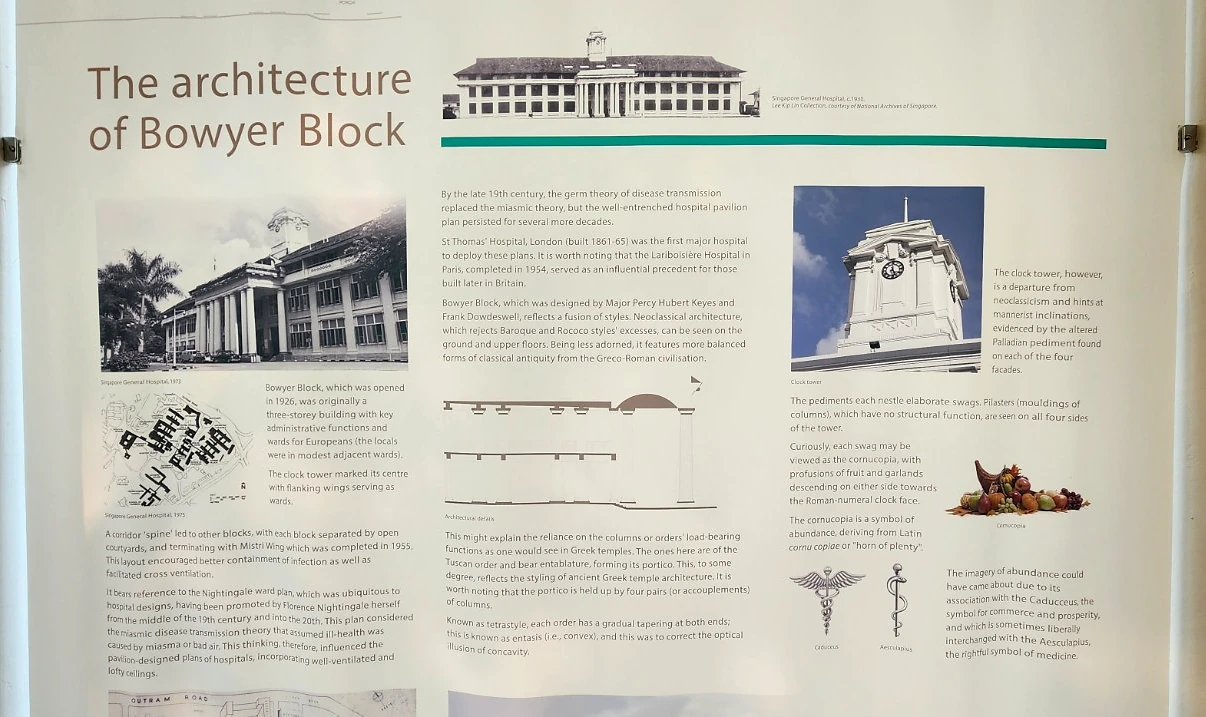
These dates help us understand the building. Standing inside it, I found myself thinking about what dates cannot fully hold: a difficult conversation, a family’s relief, a patient’s gratitude, or the memory of someone dearly missed.
A preserved building gives memory a place. The people connected to it give that memory meaning.
The people who came before us
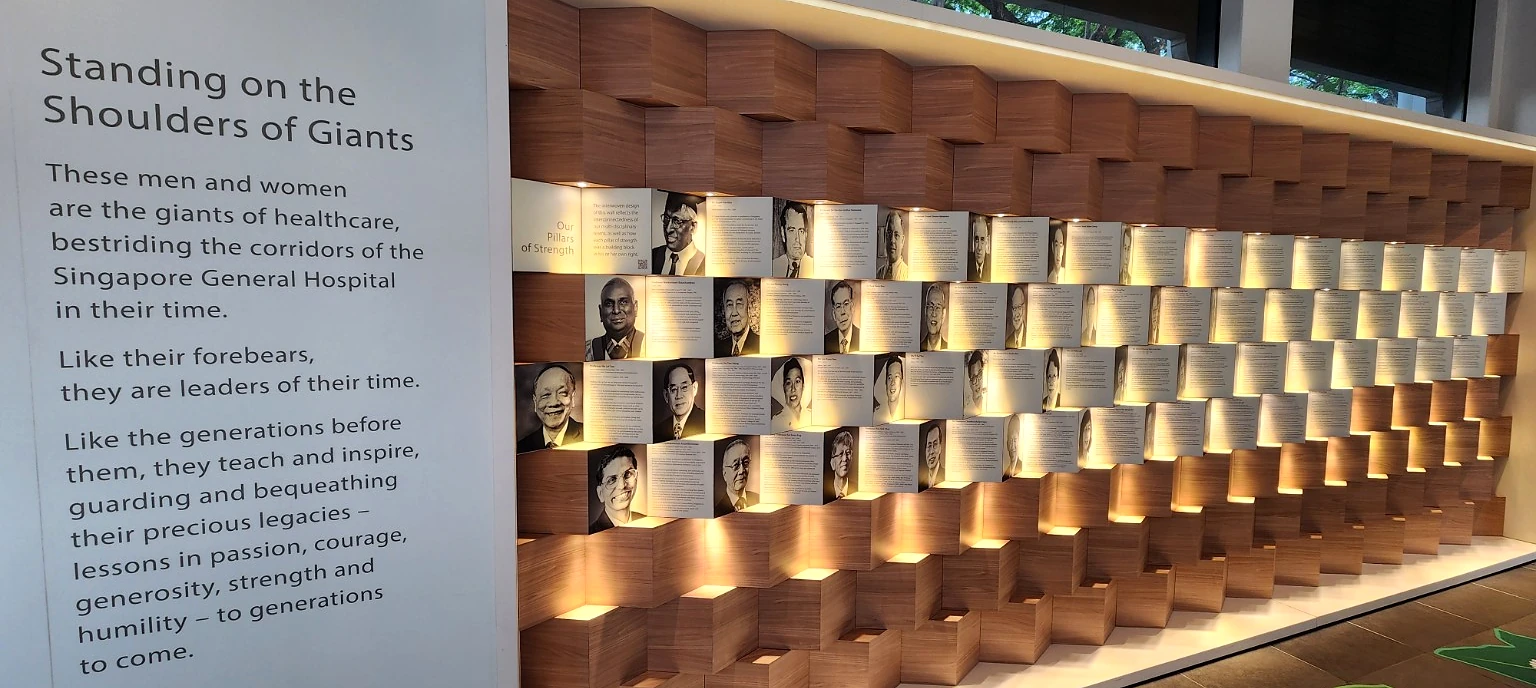
The pioneers’ display made achievement feel personal. Behind each name were years of effort: studying, teaching, asking questions, making decisions and working alongside others.
I thought about the people around them, too. Colleagues who shared the work. Students who carried lessons forward. Families who supported demanding careers.
A legacy grows through relationships. Remembering those who came before us can deepen our gratitude and ask something of us: what will we carry forward, and who will benefit from it?
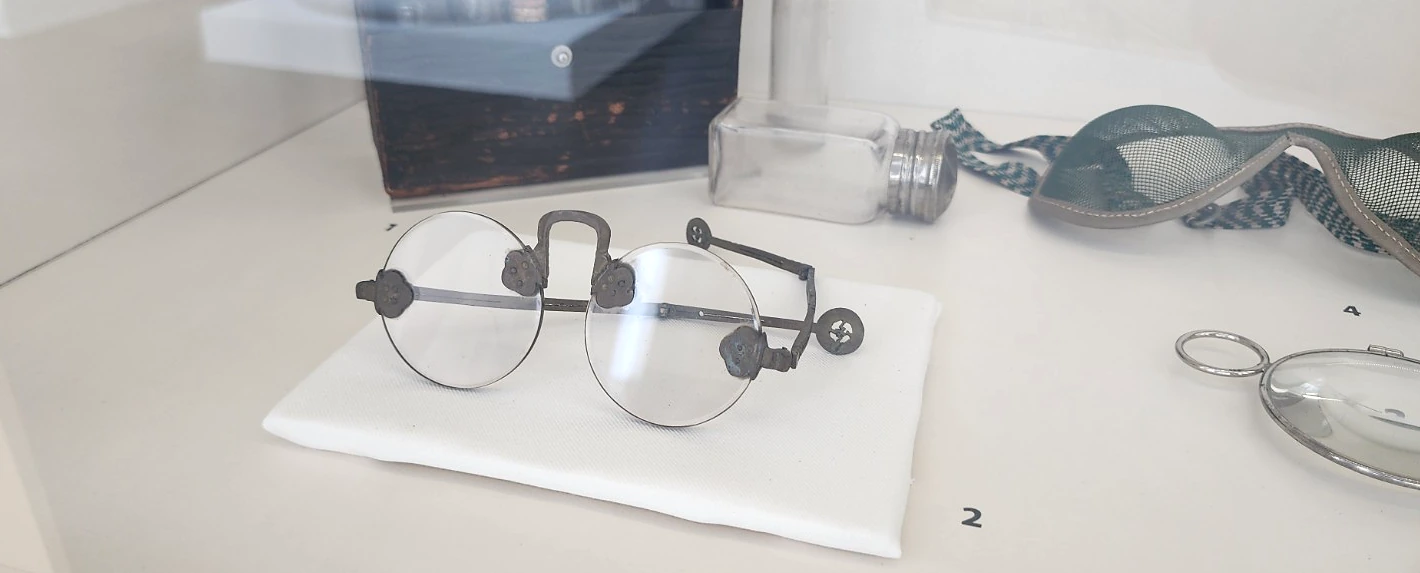
Four pillars, four reminders
Four quotation pillars stayed with me for different reasons. Together, they prompted reflections on achievement, memory, dignity and empathy. The thoughts below are my own; the photographs preserve the displayed words and attributions.
Achievement carries responsibility

I read this pillar and thought about what progress means to someone who needs care. Knowledge becomes meaningful when it helps a person, and expertise matters in how it is explained and shared. Achievement carries a responsibility to the lives it touches.
Progress needs memory
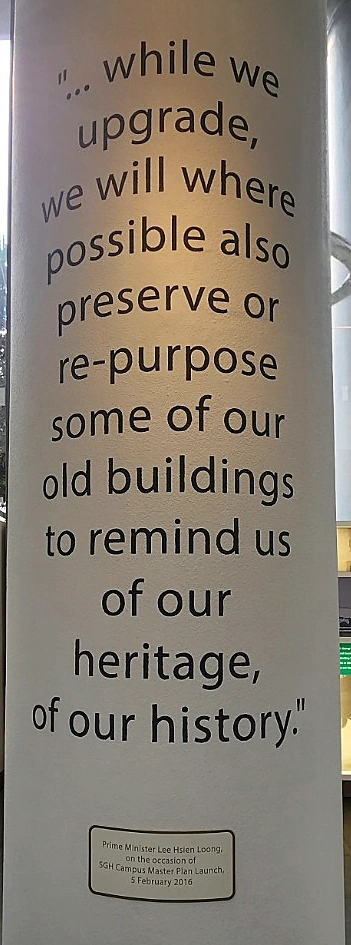
A place can move forward while keeping a connection to those who came before. Bowyer Block gives that idea a physical presence. It reminds me that renewal can include remembering the people and values that helped make progress possible.
Dignity belongs to everyone
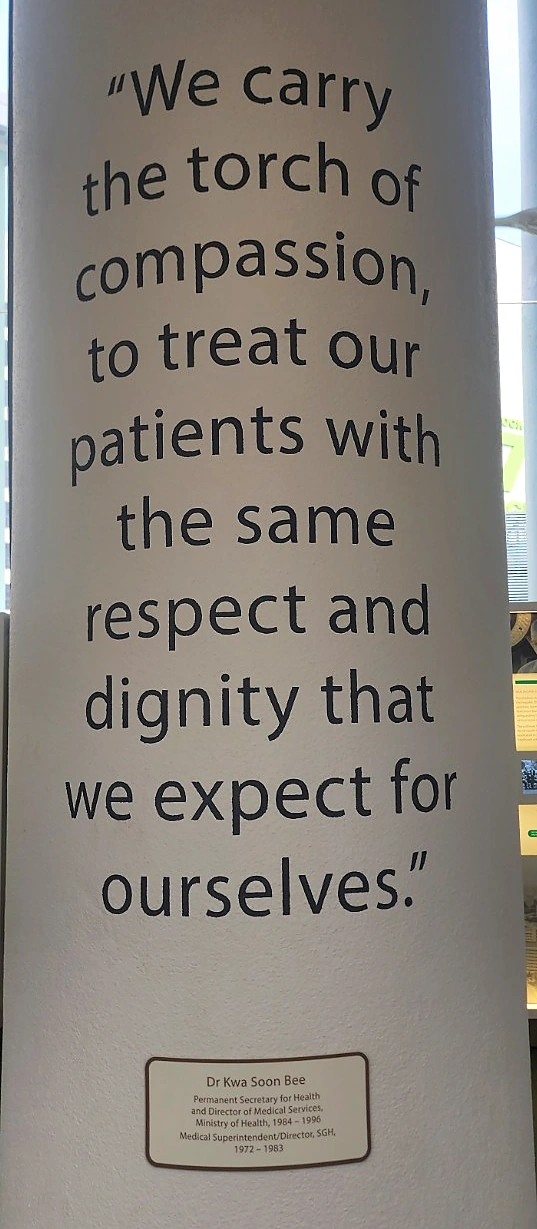
Dignity is present in everyday interactions: how we address someone, explain what is happening and respond when they are frightened or uncomfortable. Even when the answers are difficult, the person asking deserves patience and respect.
Make room for difference

Someone may communicate differently, react differently or need more time. Our first impression cannot tell us everything. This pillar reminded me to pause before judging, and to listen before assuming.
Sixty years. A working lifetime of service.
Another display at SGH stopped me in my tracks: a long-service award poster.
Every milestone on it deserved recognition. But my eyes stayed on one: 60 years of service.
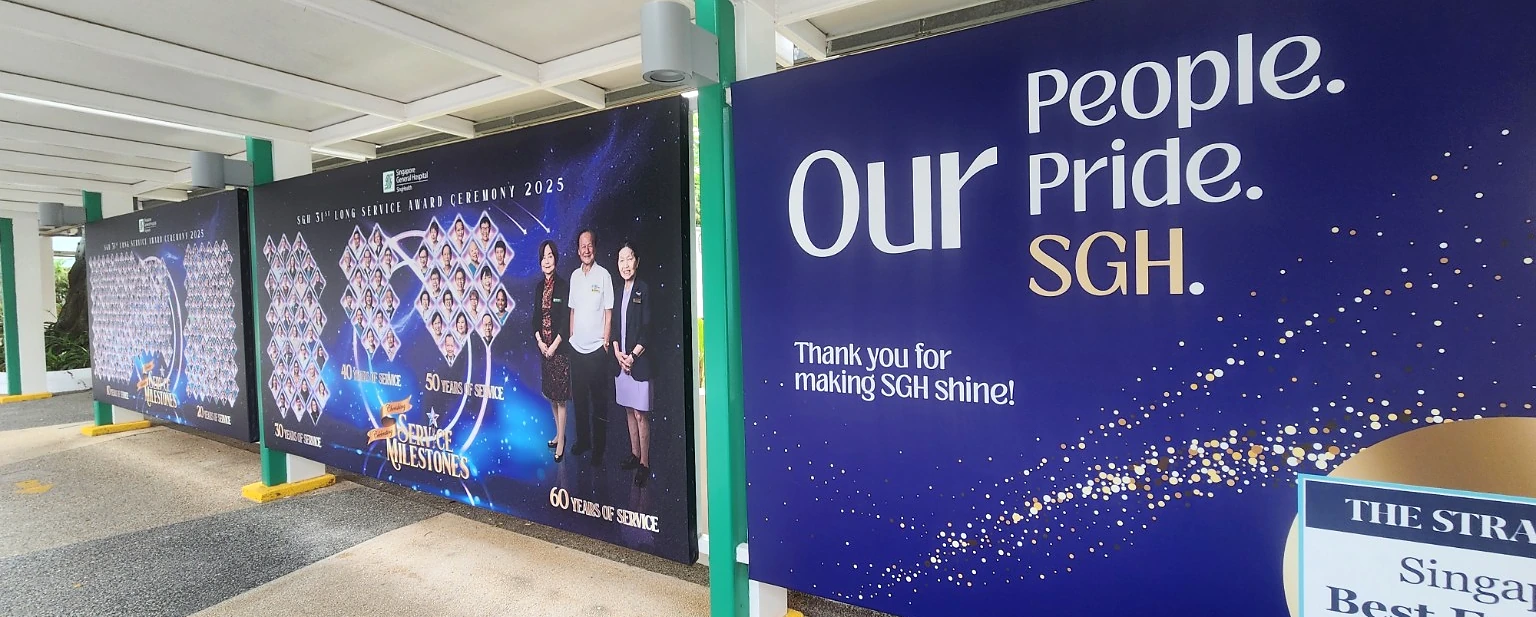
60 years
I found myself thinking about what it means to devote a working lifetime to one mission: caring for others.
Sixty years is difficult to take in at a glance. I imagined the changes a person might witness across that time: buildings, equipment, ways of working and generations of colleagues. I thought about the ordinary discipline of returning to the work, year after year.
I do not know the full personal story behind that milestone. The poster gives us a number and a moment of recognition. It cannot tell us every challenge, sacrifice or reason that kept someone going.
Yet the number alone made me pause. It represents an extraordinary span of commitment. For me, it felt like looking at a working lifetime dedicated to a mission larger than oneself.
It also made me think about how we measure contribution. Some achievements arrive as a breakthrough. Others grow through decades of dependable service. Both can shape lives profoundly.
The many people who make care possible
A hospital’s work extends across many roles: doctors, nurses, allied health professionals, pharmacists, laboratory teams, porters, cleaners, food service workers, administrators, security staff and volunteers.
Some contributions are highly visible. Others happen in rooms and routines that visitors may never notice. Patients and families depend on that collective effort.
A careful handover, a clean space, help finding a department or a meal delivered with care can become part of another person’s hospital experience. Seeing the long-service display reminded me to look beyond the most visible roles and appreciate the people who keep showing up.
Patients and caregivers have stories, too
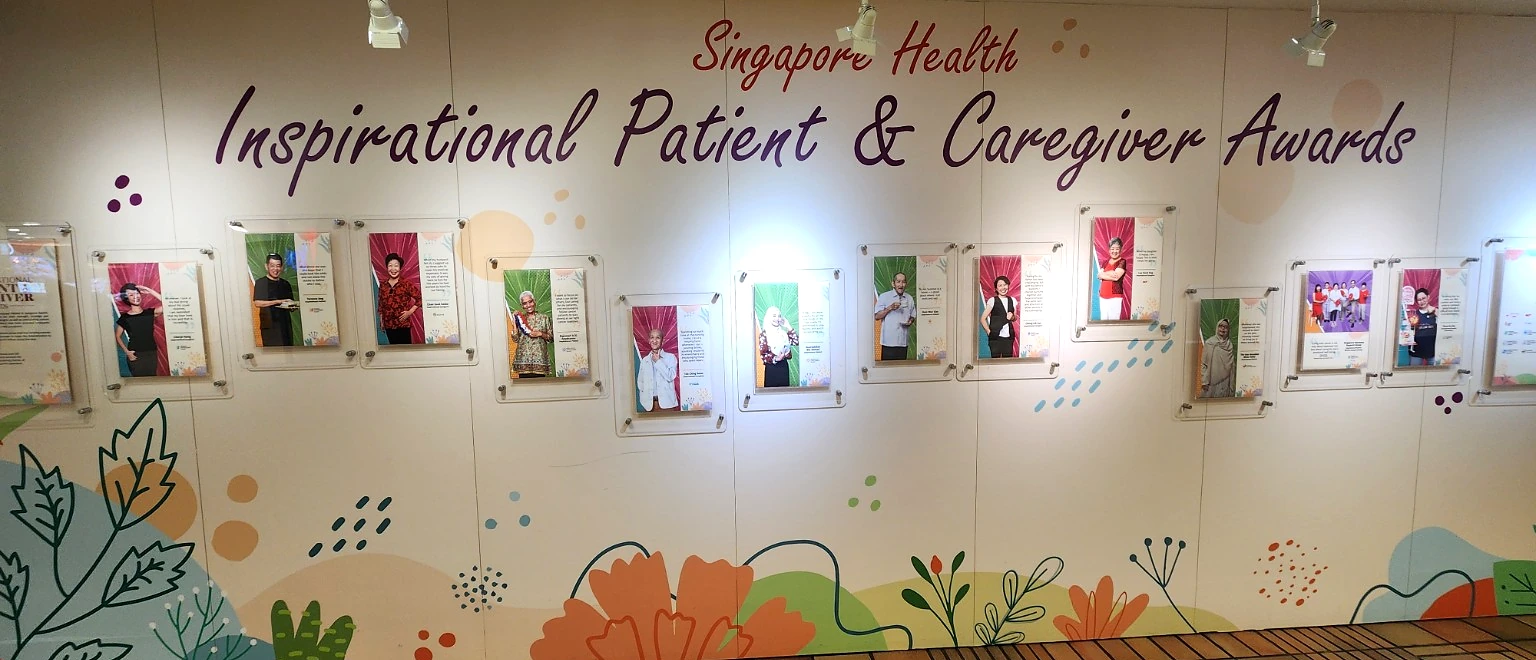
Patients have lives beyond a diagnosis. They have relationships, work, memories, habits and hopes. Caregivers have lives of their own, even when much of their attention is directed towards someone else.
This display made me think about how readily we praise strength, and how much room we also need to make for exhaustion. Courage can include asking for help. It can include admitting that today is hard.
Nobody needs to appear positive all the time to deserve compassion. A person’s dignity does not depend on how well they seem to be coping.
The human touch in ordinary moments
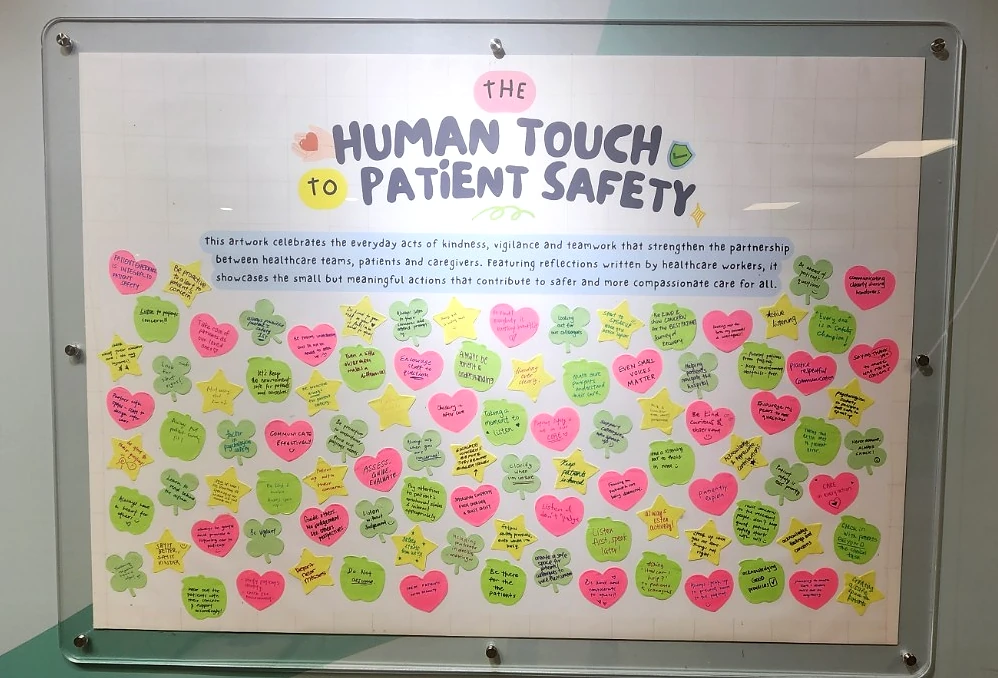
The handwritten contributions gathered here made me think about noticing, listening and speaking up. Small actions can matter deeply to the person receiving them.
Kindness belongs alongside skill, careful decisions and safe practice. It shapes how people experience care. Being heard can give someone the confidence to ask a question or explain a concern.
Hospitals can hold relief and recovery, as well as discomfort, uncertainty and loss. Staff may face pressures that visitors cannot see. Families may leave with questions still unanswered.
Compassion matters within those realities. It helps us meet one another when an easy answer is unavailable.

A message I saw as I was leaving SGH
Later, as I was walking out of an SGH building, a separate display caught my attention: “Bee Kind. Everyone Has a Story.”
This display was inside SGH, separate from the Bowyer Block museum. Its words brought together much of what I had been reflecting on.

We see people passing through a hospital, but we seldom know what brought them there or what they are carrying.
Some stories are shared. Others remain private. Both deserve kindness.
Like fingerprints, no two journeys are alike
I began thinking about a human hand. From a distance, our hands look much the same: a palm, five fingers, a familiar shape. Look more closely at the fingerprints, and the differences become visible.
Life feels like that to me. A person’s age, uniform, occupation or appearance offers only a small part of their story. We cannot see the whole journey that brought them to this moment.
Two people in the same waiting area may carry different fears. Two caregivers offering the same reassuring smile may face different responsibilities. A healthcare worker helping someone through a difficult day may have concerns of their own.
These are possibilities, not accounts of particular people I met. They remind me to leave room for what I do not know.
The legacy we leave in one another
I went away thinking about a historic building, four pillars, a remarkable service milestone and a simple message.
They connected through one idea: people give institutions their meaning. Their knowledge, effort, care and commitment become part of the lives of others.
This is part of my perspective on Strategic Living in Singapore: considering how our choices affect the people around us, and what we pass on to those who follow.
Sixty years of service is an extraordinary expression of that responsibility. Kindness in an ordinary moment is another. Each deserves our attention.
What moment has stayed with you?
If you have worked at SGH, received care there or accompanied someone, you may remember a moment that still matters: a colleague’s guidance, a patient explanation, or an act of kindness you have never forgotten.
You are welcome to share a reflection through my contact page. Share only what you feel comfortable making public. Seek permission before naming someone else or sharing their health circumstances. Sending a story does not mean it will be published automatically.
Visit the SGH Museum
The SGH Museum is at Bowyer Block, Singapore General Hospital, Outram Road. The official museum page lists admission as free. Check its current opening hours and visitor information before making a trip. [3]