What Makes a City Worth Calling Home?
A few days in Kuala Lumpur became more than a short journey. Through people, heritage, multicultural life, nature and the quieter ways cities care for people, I returned to Singapore thinking differently about what progress should ultimately mean.
A visual reflection through photographs and observations from my journey.
Sometimes travelling does not teach us something completely unfamiliar. Instead, it helps us notice things that have become so familiar at home that we no longer stop to think about them.
During my time in Kuala Lumpur, I found myself observing more than buildings and tourist attractions. I watched how people gathered, how older places continued to live beside newer ones, how nature was incorporated into the city, and how seemingly small services could make public spaces more humane.
By the time I returned to Singapore, those observations had become a larger question: what actually makes a city worth calling home?
A City Needs Places Where People Can Belong
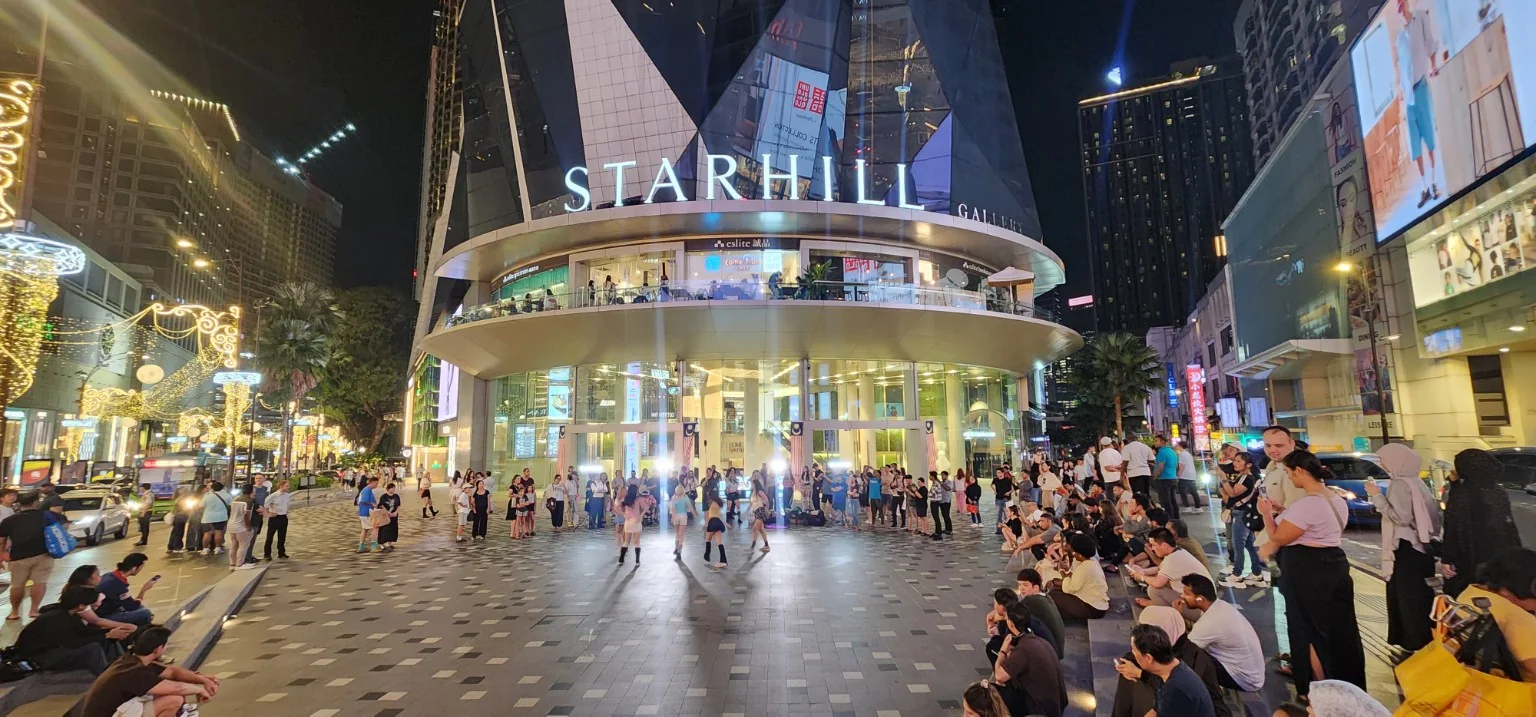
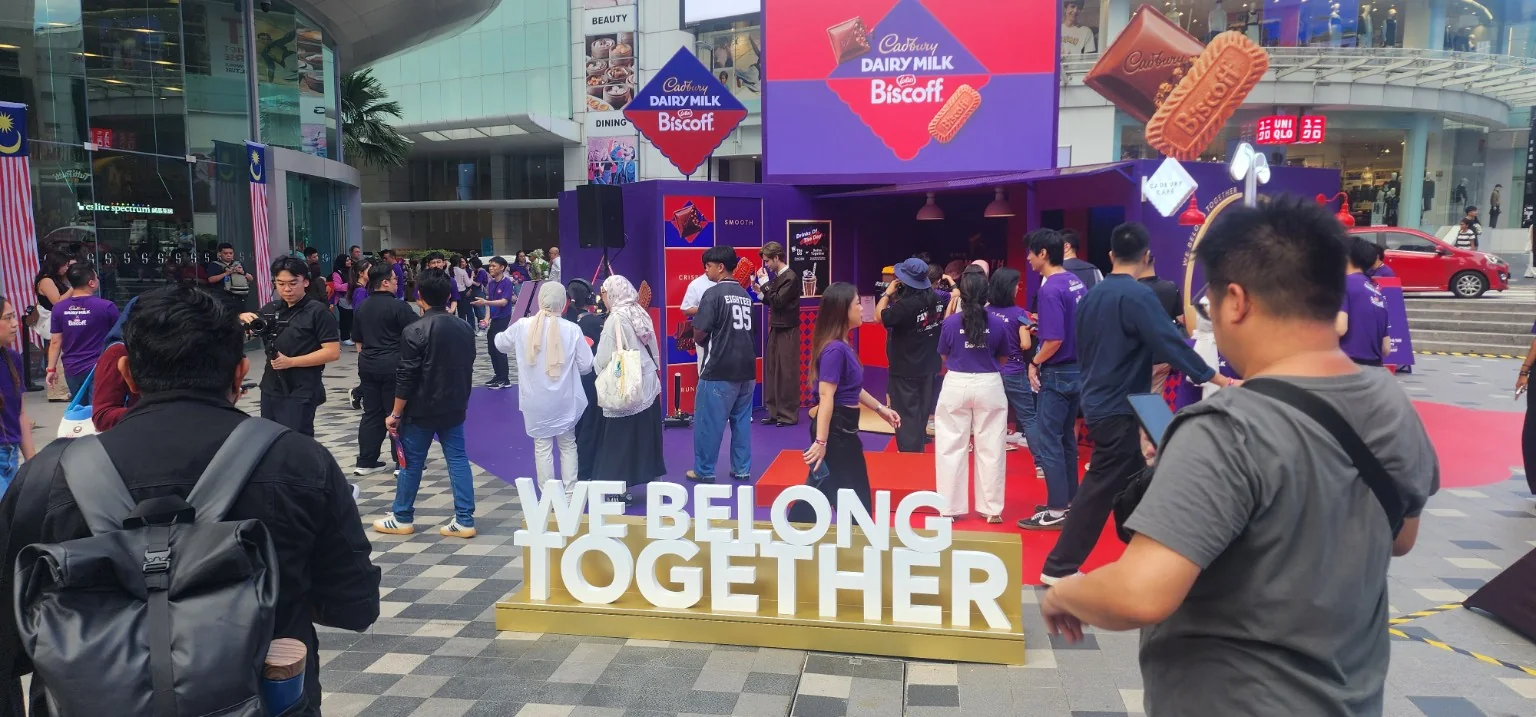
At The Starhill, I came across a community space where a performance was taking place. What interested me was not simply the performance itself, but what the space allowed to happen.
People could stop. They could watch. They could share an experience with strangers without needing to buy a ticket or have a formal reason to be there.
We often judge cities by infrastructure, property values and economic activity. But community also needs physical space. A successful city should give people opportunities not only to move through it, but also to pause, meet and participate.
Progress Does Not Require Us to Erase Memory
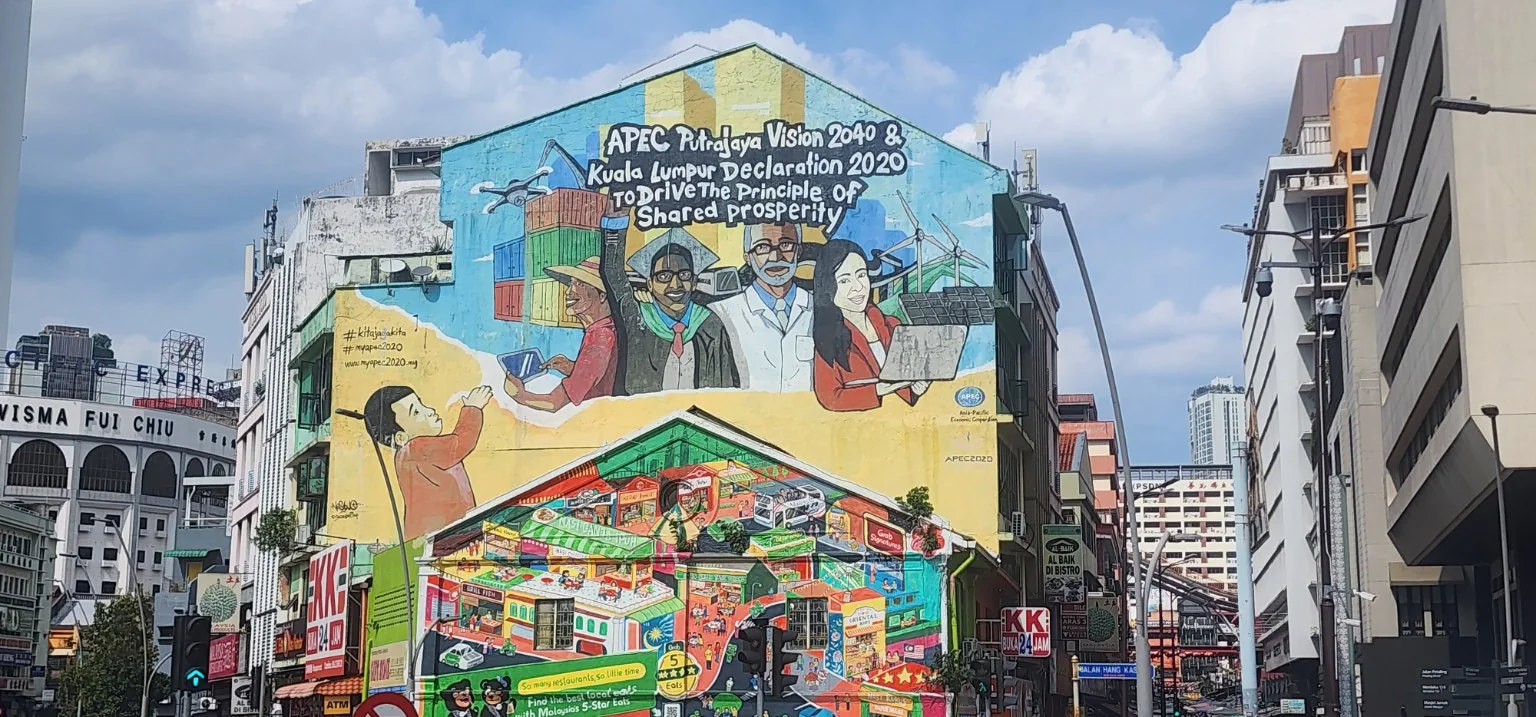
Around Central Market, the streets tell a different story from the polished surfaces of a modern shopping district.
Murals, older buildings and familiar streets give a city character. They remind us that a city did not appear overnight. It was shaped gradually by generations of people who lived, worked and built communities there.
Modernisation matters. But when every old surface is removed, something less measurable can disappear with it: memory, identity and a sense of continuity.
Heritage Lives When People Still Participate in It
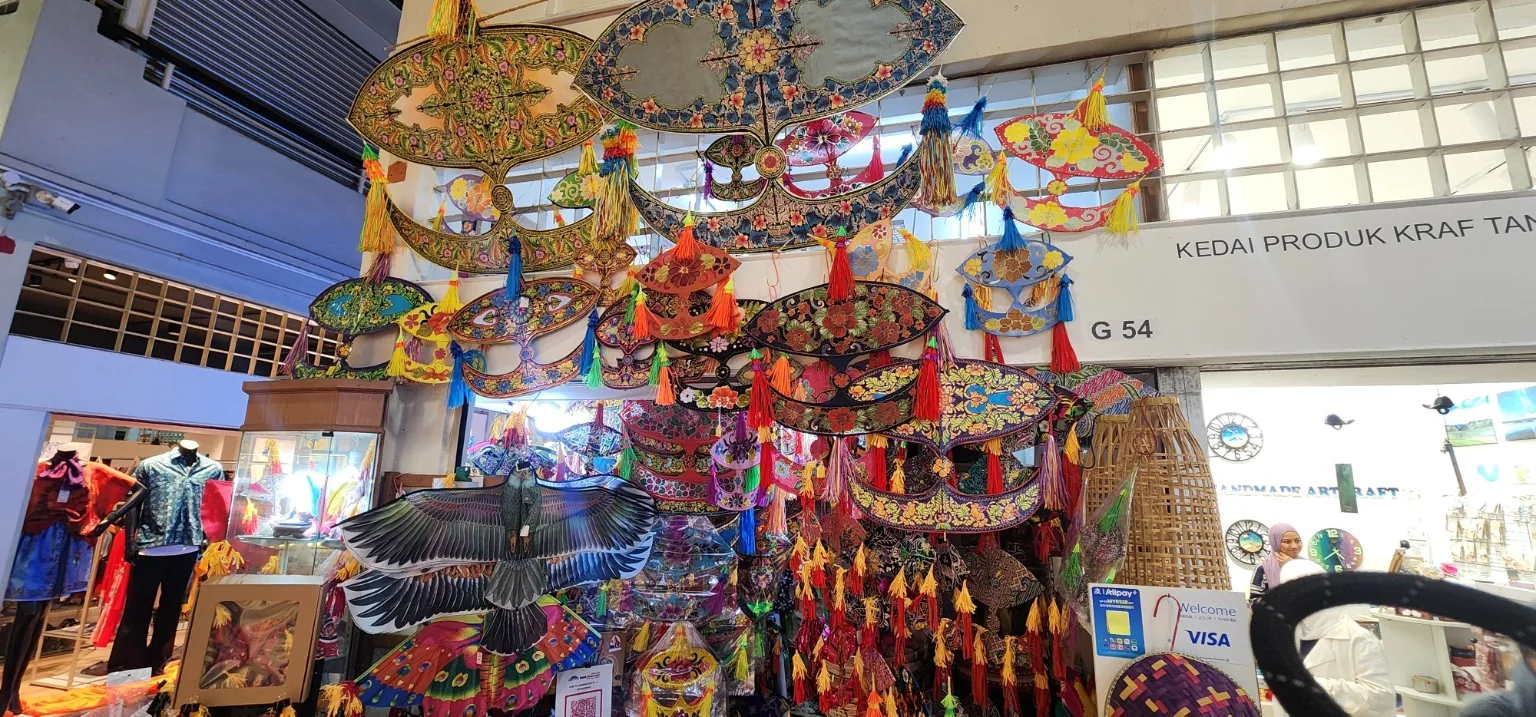
Inside Central Market, heritage is not confined to a museum display. Shops, crafts, colours and everyday commerce continue to give the place life.
That distinction matters. Preserving a building is one thing. Preserving the human activity and cultural meaning around it is another.
The strongest heritage districts are not frozen in time. They continue evolving while retaining enough of their identity for another generation to recognise where they came from.
Some Places Matter Because They Feel Alive
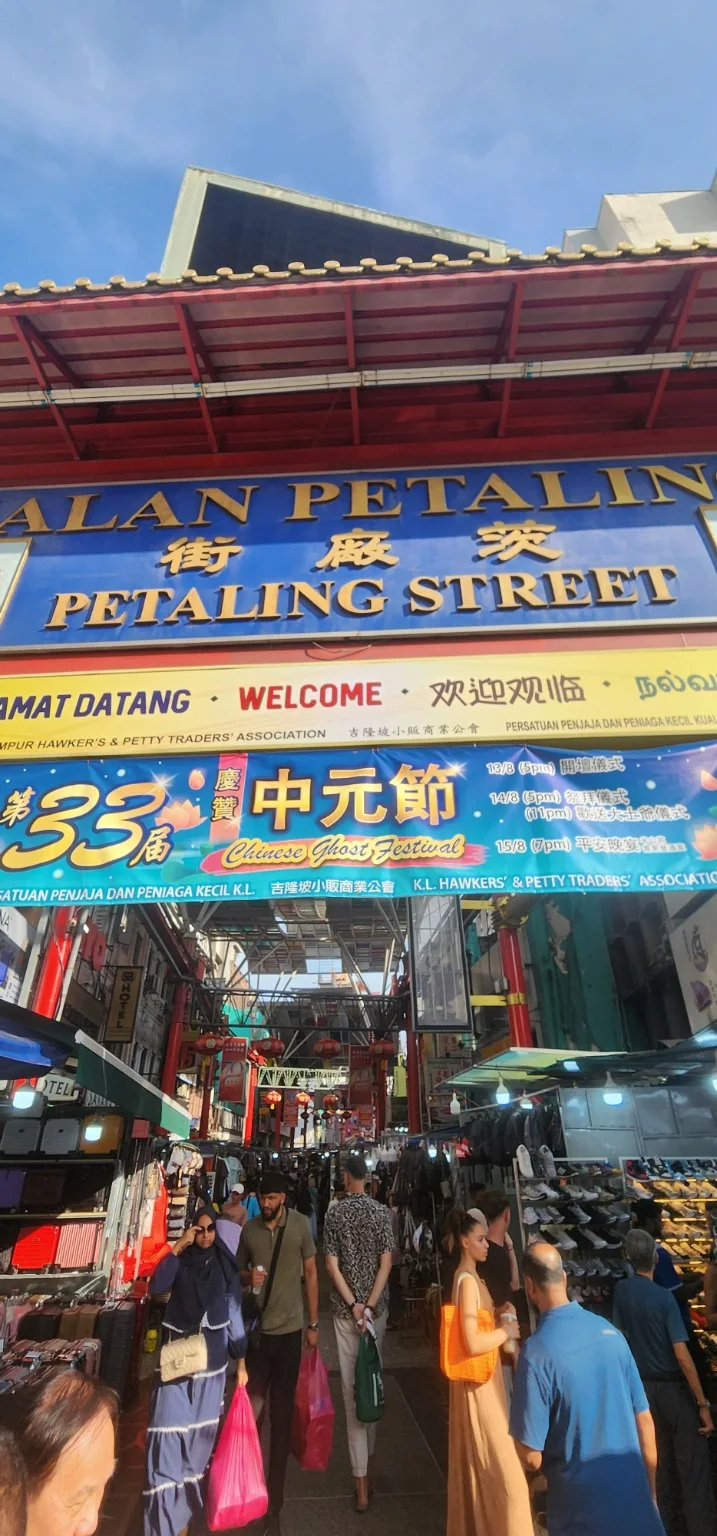
Petaling Street is busy, imperfect and full of movement. That is precisely part of its character.
Markets and older commercial streets remind us that cities are not designed only through architecture. They are also created through human interaction: conversations, food, trade, languages, traditions and people occupying the same space.
There is value in efficiency. But there is also value in the texture of everyday life.
Belonging Is Part of Urban Design
Returning to the same space at The Starhill and seeing another event reinforced something I had been thinking about.
Buildings can provide shelter. Infrastructure can provide mobility. Technology can provide convenience. But belonging comes from how people experience those spaces together.
A city becomes more human when its public and commercial spaces create opportunities for community rather than functioning purely as places of transaction.
Nature Should Be Part of the Journey
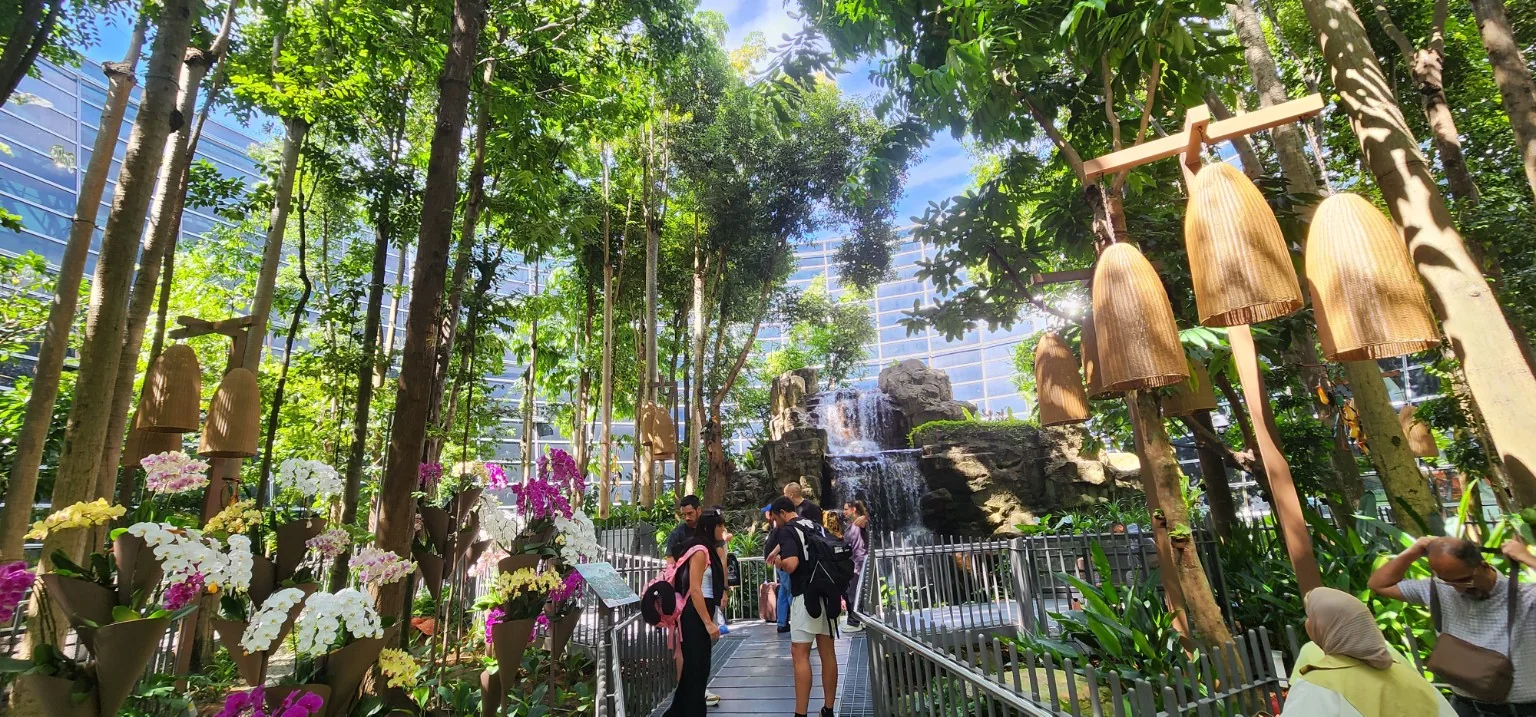
One of the ideas that stayed with me was the integration of greenery into highly developed environments.
At KLIA, the Jungle Boardwalk creates an unexpected encounter with nature within the airport environment. Elsewhere in Kuala Lumpur, including around newer developments, greenery appears increasingly integrated into the urban experience.
It raises an important question for growing cities: must development and nature always compete?
Perhaps the better ambition is to design cities where nature is considered from the beginning, not simply added after the buildings have been completed.
“A great city is not measured by what it builds, but by the life it makes possible for its people.”
Accessibility Is What Inclusion Looks Like in Practice
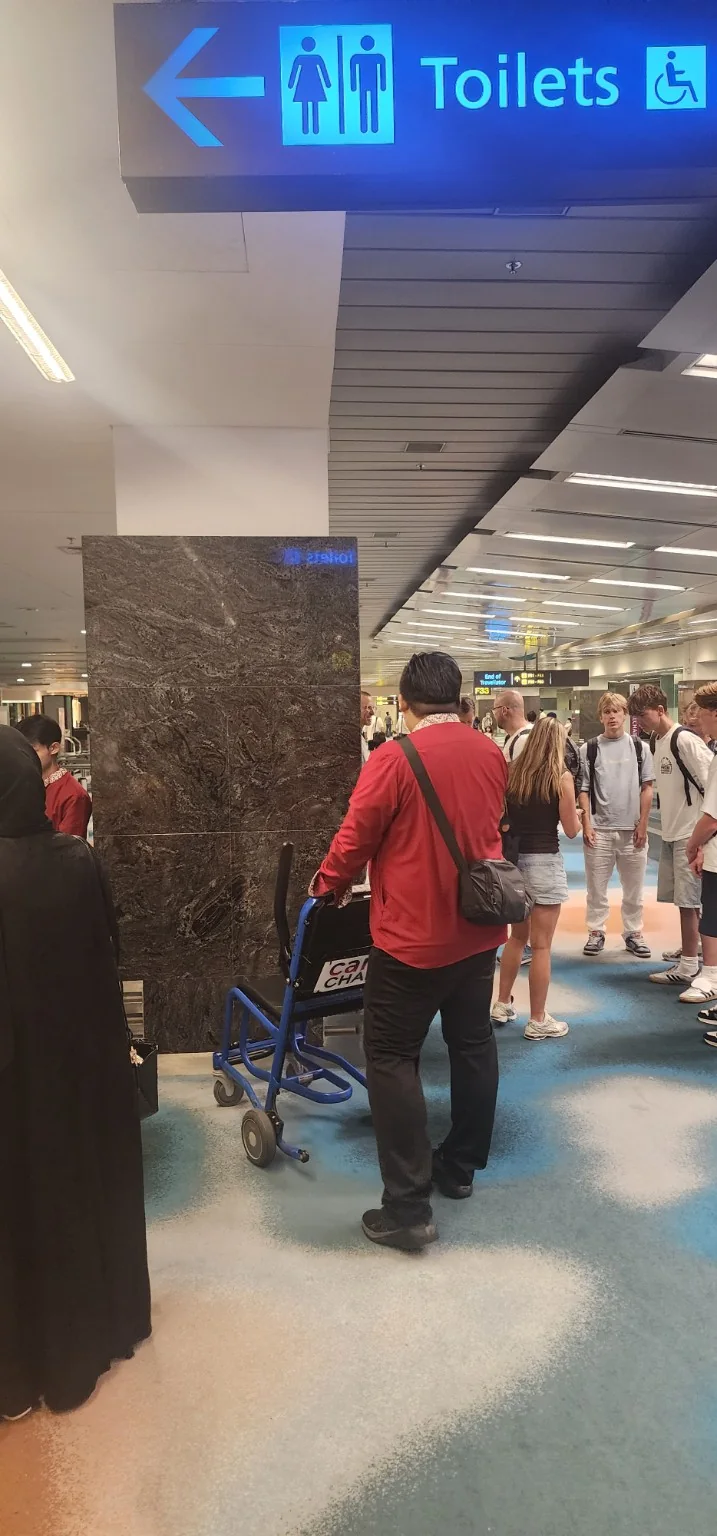
At the airport, another observation caught my attention: mobility assistance for travellers who needed help navigating long distances.
I saw this form of assistance during the journey through KLIA, and again when returning through Singapore.
For a younger and mobile traveller, walking through a large terminal may be unremarkable. For an older adult or someone with mobility limitations, the same distance can become a significant barrier.
Inclusive design is therefore not only about ramps and signs. It is also about recognising that different people experience the same environment differently — and providing practical support that preserves mobility, participation and dignity.
Sometimes Care Is Quiet
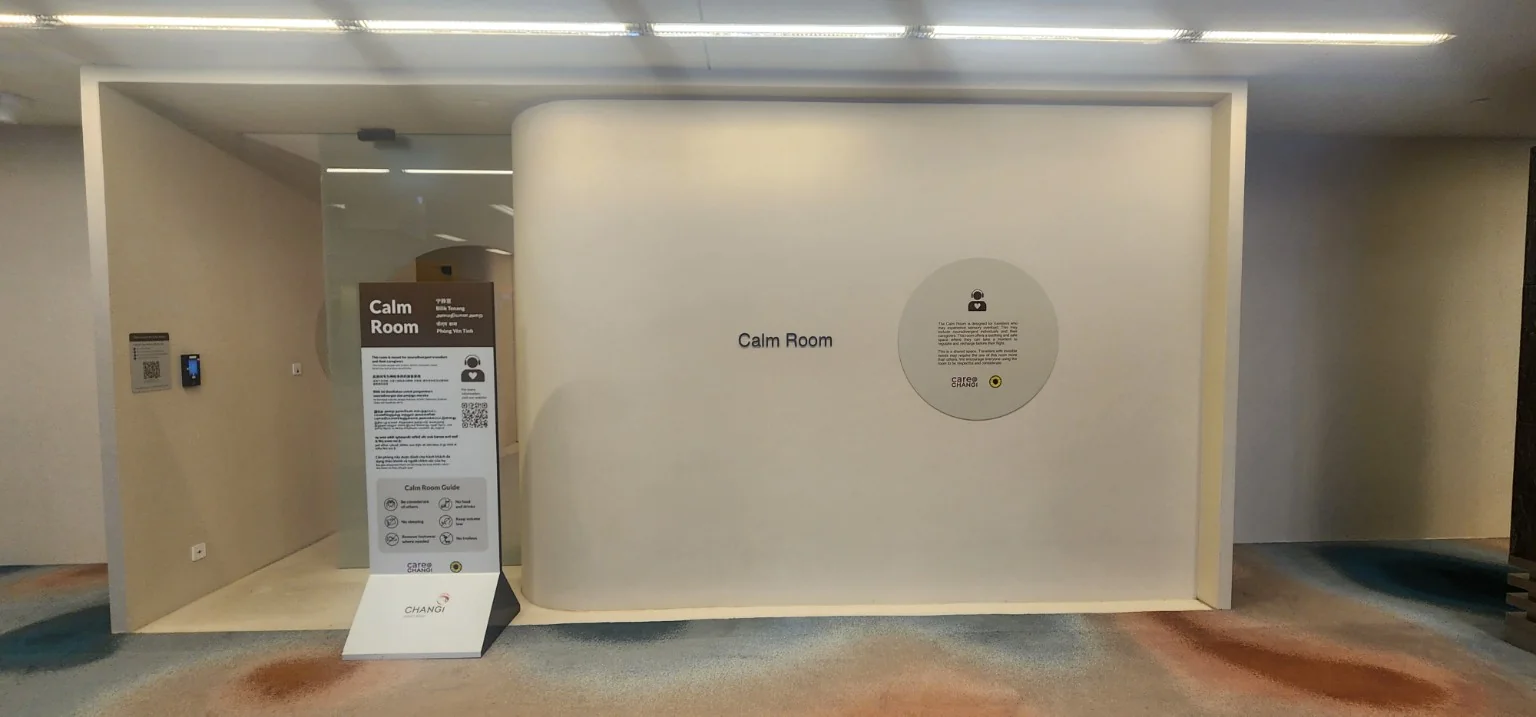
When I reached Singapore, I noticed something easy to walk past: a Calm Room at Changi Airport.
It was not a spectacular attraction. It did not need to be. Its significance was in recognising that some travellers may need a quieter environment and a moment away from the intensity of a busy airport.
This became one of the most meaningful observations of the journey for me.
Good cities do not only design for the fastest, strongest or most independent among us. They also consider people who may need more time, more assistance, greater accessibility or simply somewhere calmer.
Coming Home With a Different Perspective
Kuala Lumpur and Singapore are different cities with different histories, strengths and challenges. This journey was never about deciding which city is better.
Travel is more useful when it teaches us to observe. A community space can teach us about belonging. An old market can teach us about memory. Greenery can change how a dense city feels. Wheelchair assistance can reveal the importance of accessibility. A quiet room can remind us that care is sometimes expressed through very small design decisions.
And perhaps that is how cities should continue progressing: not simply by asking how much more we can build, but by asking who we are building for.
Children will grow up in these cities. Adults will build their lives in them. And eventually, many of us will grow older in the same places we once moved through effortlessly.
The cities worth calling home are the ones that continue making room for us at every stage of life.