We Are Each Other’s Second Chances
An early morning walk at One Holland Village became an unexpected reflection on accountability, rehabilitation, human dignity, public safety, trust and what it really means to give someone a responsible second chance.

A Morning Walk That Made Me Stop
Some of the most meaningful moments happen when we are not looking for them.
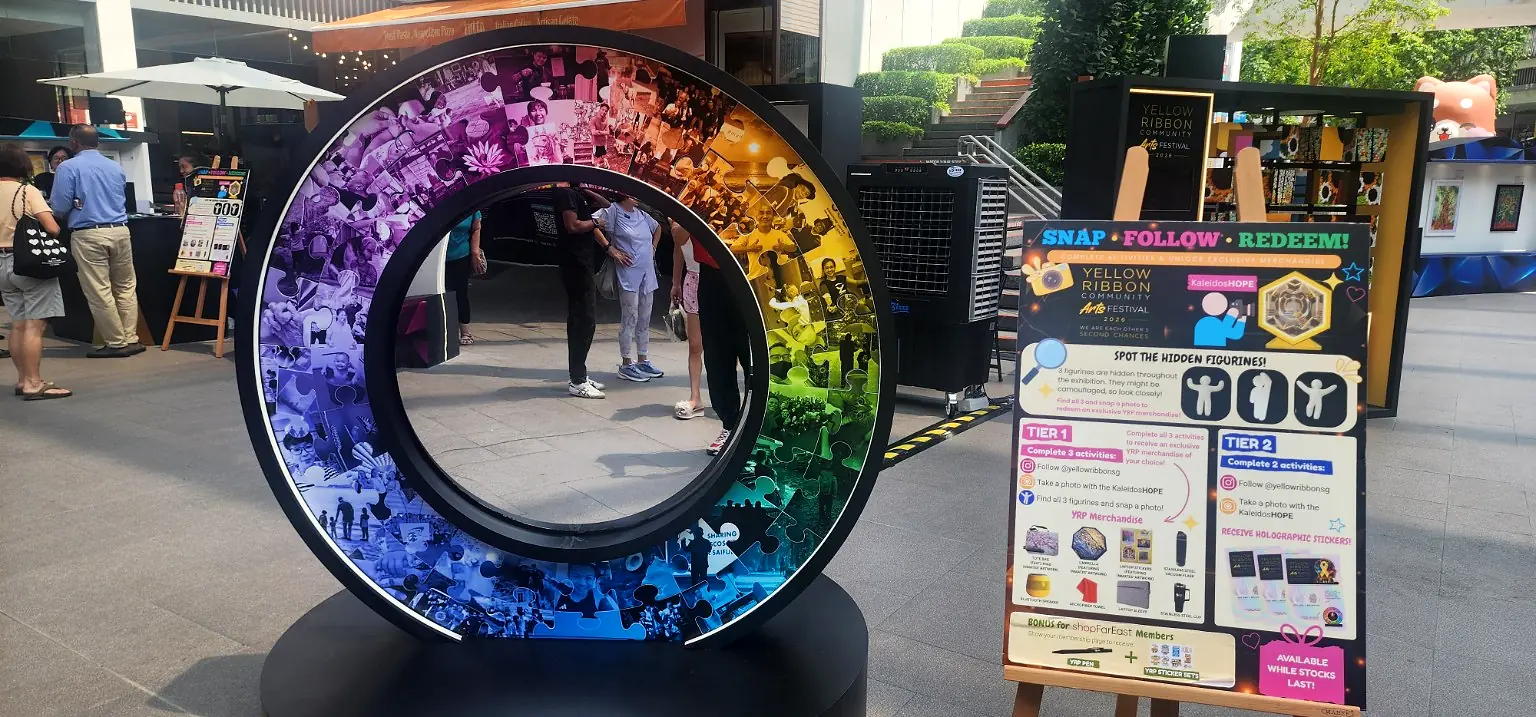
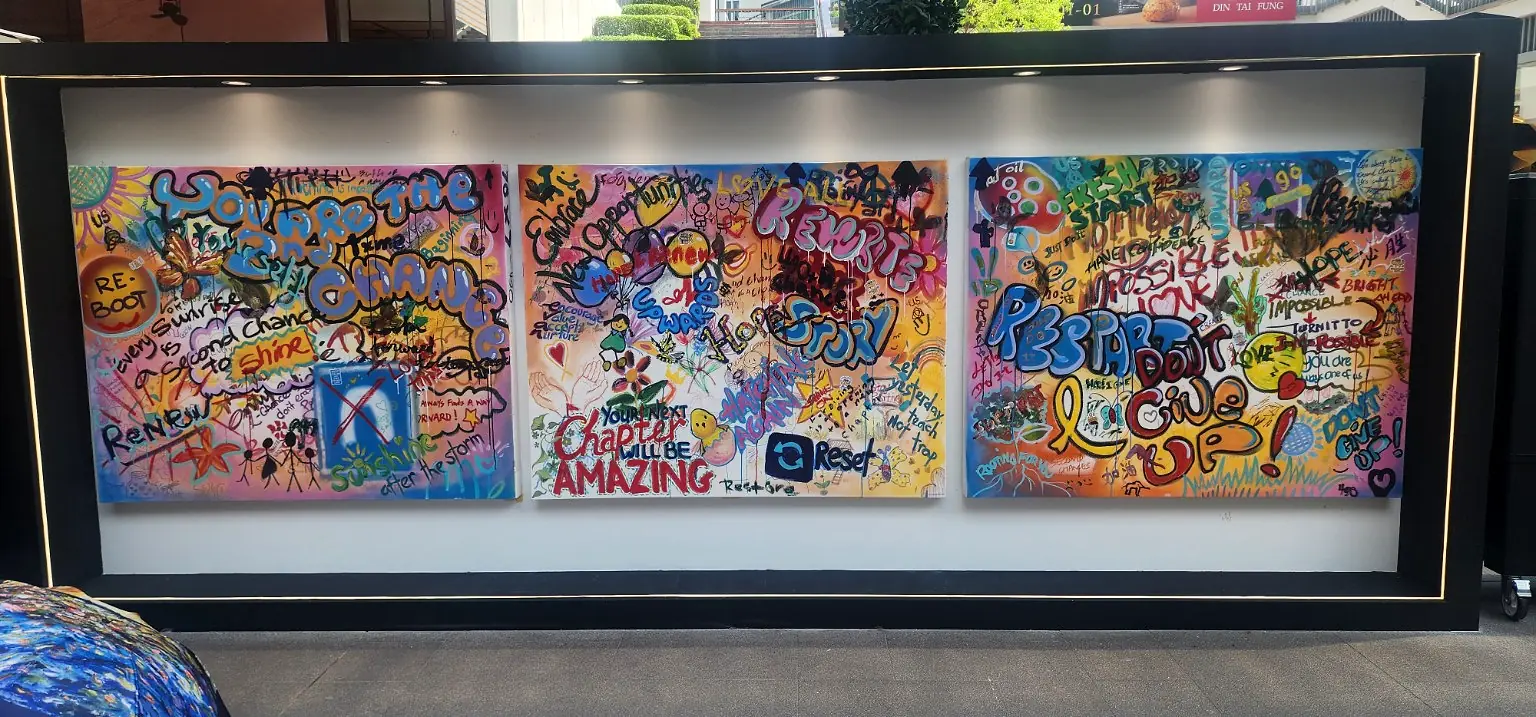
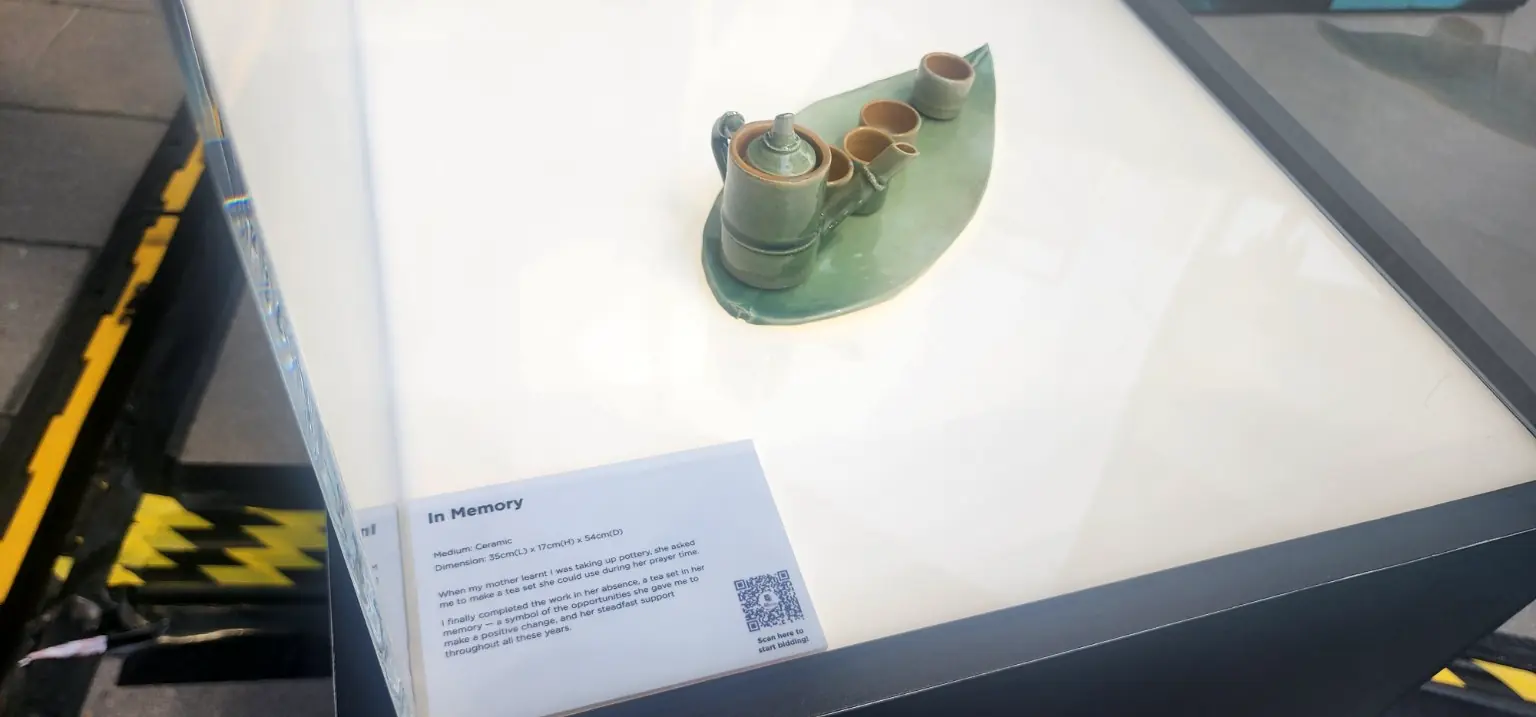
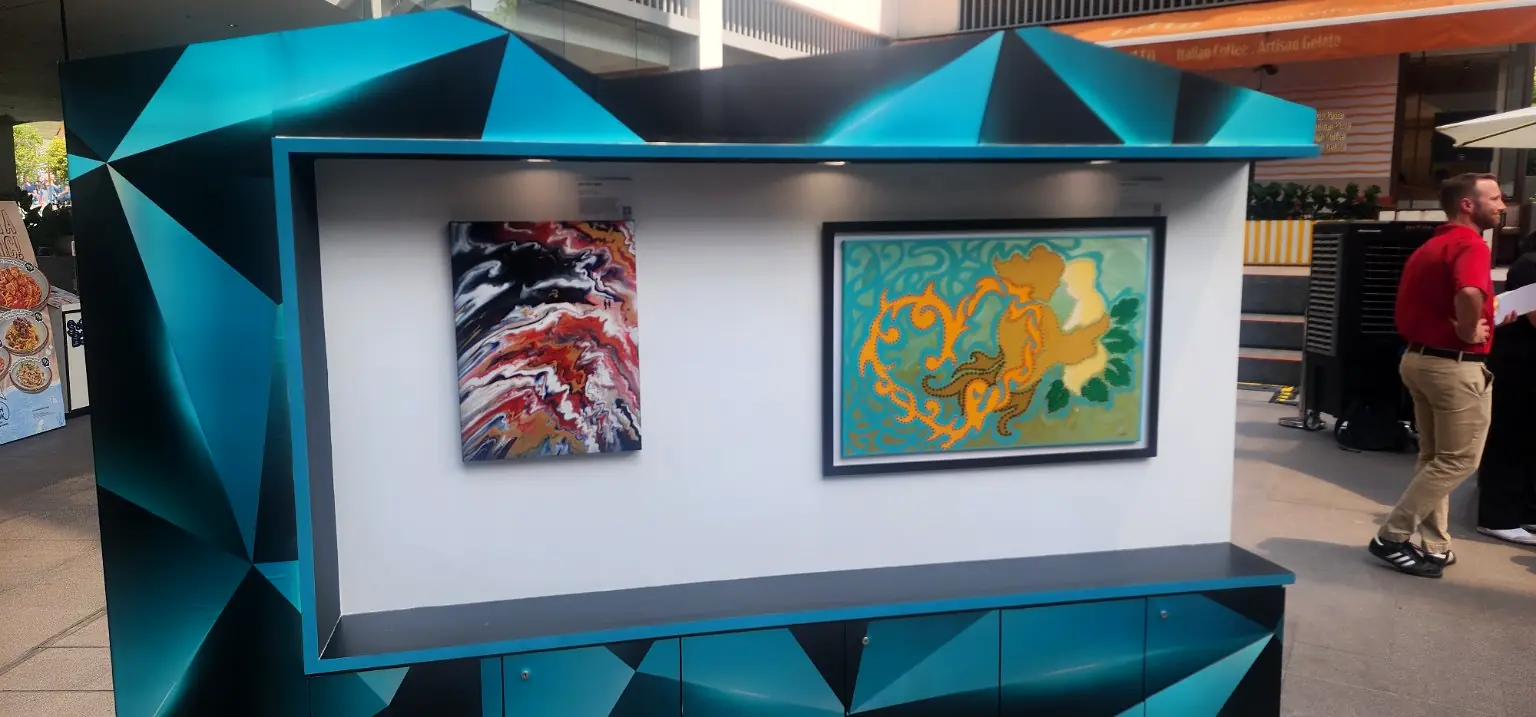
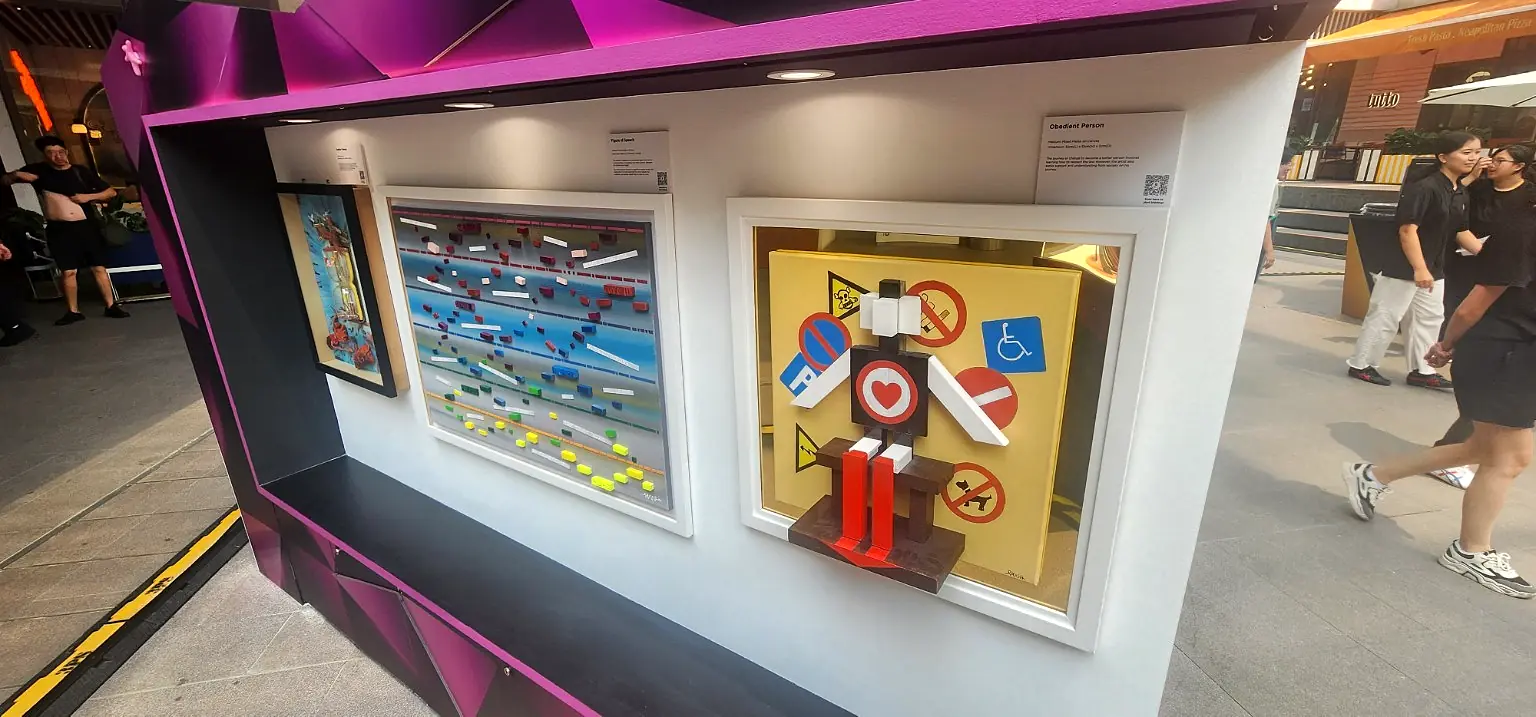
I was taking an early morning walk at One Holland Village when I came across a Yellow Ribbon arts display.
I stopped.
There were artworks, colours, installations and stories. But one message stayed with me:
I stood there longer than I expected.
The words brought me back to 2021, during the COVID period, when I participated in the Yellow Ribbon Virtual Run.
At the time, participating felt like a simple way of showing support for rehabilitation and reintegration.
Years later, standing in front of these artworks, I found myself asking a more difficult question:
“Each of us is more than the worst thing we’ve ever done.”
Bryan Stevenson
What The Yellow Ribbon Message Means
A prison sentence has an end date.
Stigma does not always have one.
For someone trying to rebuild life after incarceration, the barriers can continue outside prison through employment difficulties, damaged relationships, loss of confidence, distrust and social exclusion.
Rehabilitation therefore involves more than completing a sentence.
It involves rebuilding a life.
But reintegration cannot be the responsibility of only one side.
The individual has to accept responsibility and demonstrate change.
Families, employers, organisations and communities also have to decide whether they are prepared to recognise genuine progress when it occurs.
A Second Chance Does Not Mean A Second Excuse
This is where I believe the discussion needs balance.
It is easy to say that everyone deserves a second chance.
But offences differ. Circumstances differ. Harm differs. Risk differs. Victims’ experiences differ.
Supporting rehabilitation cannot mean ignoring those differences.
A meaningful discussion about second chances must therefore hold several principles together:
- Accountability for what happened.
- Recognition of victims and the harm they experienced.
- Rehabilitation where genuine change is possible.
- Public safety and appropriate safeguarding.
- Proportionate opportunity for responsible reintegration.
These principles do not have to compete with one another.
We can believe in rehabilitation without minimising harm.
Not Every Case Is The Same
Different offences and circumstances can raise very different questions about intent, responsibility, harm, rehabilitation and future risk.
Someone dealing with addiction may require treatment, counselling, structure and sustained recovery support.
Financial offences may create particular concerns about positions involving money or fiduciary responsibility.
Serious violence may require additional safeguarding and careful assessment of future risk.
When an offence has caused irreversible harm or loss of life, the suffering and rights of victims and their families must never disappear from the conversation.
This is why I do not think a second chance should mean automatic restoration of everything that was lost.
Recognising someone’s humanity does not require us to minimise what that person did.
Human Dignity Is Not The Same As Automatic Trust
This distinction matters.
A second chance is not one single entitlement.
There can be a second chance at:
- human dignity;
- treatment and rehabilitation;
- education and skills;
- family relationships where appropriate;
- employment;
- community participation;
- trust;
- and, where the law permits, liberty.
These things do not necessarily have to be restored at the same time or to the same degree.
A person can deserve humane treatment and a meaningful opportunity to rehabilitate while still being unsuitable for a particular role involving vulnerable people, financial control or another position requiring a high level of trust.
That is not necessarily discrimination.
In appropriate circumstances, it can be responsible safeguarding.
But there is another danger at the opposite extreme.
If society refuses to recognise genuine change regardless of what a person demonstrates over many years, then punishment can effectively continue long after the formal sentence has ended.
Opportunity Can Be Given. Trust Must Be Rebuilt.
For me, this is one of the clearest ways to understand responsible reintegration.
Opportunity can be given.
Trust must be rebuilt.
Trust is not restored by a slogan.
It is rebuilt through conduct over time.
Evidence of rehabilitation can take different forms depending on the individual and circumstances. It may include:
- accepting responsibility for past actions;
- participating seriously in rehabilitation or treatment;
- remaining free from reoffending;
- developing education and employable skills;
- building stability in daily life;
- repairing relationships where appropriate and welcomed;
- demonstrating responsible behaviour consistently;
- and eventually contributing positively to others.

A Singapore Story Of Recovery And Purpose
Sabrina Chong Abdullah
One Singapore story shows that rehabilitation is not necessarily a simple or linear journey.
CNA reported in May 2026 on the experience of Sabrina Chong Abdullah, whose life included addiction and repeated incarceration.
Her story was not one mistake followed by instant transformation.
It involved years of struggle.
By 2026, CNA reported that she had been sober for 14 years.
She subsequently worked with Yellow Ribbon Cares, supporting female inmates and former offenders dealing with recovery and reintegration.
What I find meaningful about her story is not that the past disappeared.
It did not.
What changed was what she eventually chose to build from it.
Experience that once contributed to enormous difficulty could later be used to understand and support other women facing similar struggles.
From Receiving Opportunity To Creating Opportunity
Benny Se Teo And Eighteen Chefs
Another Singapore example is Benny Se Teo, founder of Eighteen Chefs.
A National Archives of Singapore factsheet records that Benny, an ex offender, founded Eighteen Chefs in 2007.
The business operated as a social enterprise and provided employment and training opportunities for former offenders and youths at risk.
What stands out to me is the transition:
Perhaps this represents one of the most meaningful outcomes of rehabilitation.
Someone who once required support can eventually become capable of providing support, employment, guidance or hope to another person.
This Brought Me Back To 2021
Standing at the exhibition brought back another memory.
During COVID in 2021, I participated in the Yellow Ribbon Virtual Run.
According to the Yellow Ribbon Fund Annual Report 2021, the virtual event attracted 6,420 participants and raised S$103,000 for the Yellow Ribbon Fund.
Participants could run, walk or hike in support of rehabilitation and reintegration.
At the time, it felt like a simple act of participation.
Looking back now, I see the symbolism differently.
But support cannot replace personal responsibility.
The person receiving a second chance must also be willing to take the next step.
No employer, family member, counsellor, volunteer or community organisation can complete rehabilitation on somebody else’s behalf.
What About The Most Serious Crimes?
This is where the idea of second chances becomes particularly difficult.
When an offence involves death, extreme violence, serious exploitation or other irreversible harm, speaking casually about second chances can understandably feel dismissive to victims and their families.
That is not what I mean by rehabilitation.
Victims matter.
Justice matters.
Public safety matters.
Accountability matters.
A person serving a serious sentence may still be capable of reflection and personal change.
But internal change and external consequences are different questions.
Whether change should lead to release, restored privileges, particular employment, renewed trust or other opportunities must be considered separately and according to the law, the circumstances, safeguarding requirements and appropriate assessment of risk.
Rehabilitation does not require society to pretend that consequences disappear.
Perhaps We Need Better Questions
Instead of asking only:
Perhaps a more responsible discussion asks:
- What happened?
- Who was harmed?
- How serious were the circumstances?
- Has responsibility genuinely been accepted?
- Has meaningful rehabilitation taken place?
- What evidence of change exists?
- How much time has passed?
- What risks remain?
- What safeguards are appropriate?
- What level of trust is reasonable now?
- What opportunity can responsibly be offered next?
This avoids two extremes.
It avoids blind forgiveness.
And it avoids assuming that no human being can ever change.
Accountability. Rehabilitation. Reintegration. Trust.
I now think of a genuine second chance as a journey with four distinct ideas.
Accountability means acknowledging what happened and taking responsibility.
Rehabilitation creates the possibility of meaningful change.
Reintegration allows that change to function responsibly within family, work and society.
Trust is rebuilt through behaviour, evidence and time.
Keeping these concepts separate makes the discussion more realistic and more respectful to everyone affected.
Second Chances Need More Than One Stakeholder
Reintegration does not happen in isolation.
Different people have different responsibilities.
For individuals rebuilding their lives
A second chance begins with responsibility, sustained effort and a willingness to demonstrate change through actions rather than words alone.
For families
Support can be powerful, but healthy boundaries and personal safety remain important. Reconciliation cannot always be expected or required.
For employers
Employment can provide stability, dignity and a route back into society. At the same time, hiring decisions should remain appropriate to the role, the circumstances and legitimate safeguarding requirements.
For rehabilitation and community organisations
Treatment, mentoring, skills development, employment support and structured reintegration can help turn the idea of a second chance into a practical pathway.
For the wider community
We can reject unnecessary stigma without abandoning judgement, boundaries or common sense.
For all of us
Perhaps our responsibility is neither to forget the past nor to imprison somebody permanently inside it.
Perhaps Society Has To Change Too
We often ask whether the former offender has changed.
There is another question worth asking:
There is a difference between reasonable caution and permanent rejection.
There is a difference between accountability and unnecessary lifelong exclusion.
And there is a difference between remembering someone’s past and refusing to recognise any evidence of progress.
This is where employers, families, community organisations, rehabilitation professionals and ordinary members of society all have a role.
My Reflection After That Morning Walk
I began the morning simply taking a walk.
I left thinking about rehabilitation, addiction, employment, family, victims, justice, responsibility, trust and human potential.
That is one of the things meaningful art can do.
It makes us stop.
It makes us look again.
And sometimes it makes us reconsider something we previously thought was simple.
A second chance does not mean pretending yesterday never happened.
It means asking whether tomorrow can responsibly become different.
It should not be automatic.
It should not be reckless.
It should not silence victims.
It should not remove appropriate safeguards.
And it should never become permission for repeated wrongdoing.
But when accountability is genuine, rehabilitation is sustained and meaningful change is demonstrated over time, I believe there should be a responsible pathway forward.
What “We Are Each Other’s Second Chances” Means To Me
It does not mean forgetting.
It means recognising genuine change.
It does not mean removing consequences.
It means allowing accountability to lead somewhere constructive.
It does not mean trusting blindly.
It means creating responsible opportunities for trust to be rebuilt.
It does not mean every offence or every circumstance is equal.
It means recognising that human dignity remains important even when boundaries and consequences remain necessary.
That, to me, is the deeper meaning of a second chance.
And that is why those words stayed with me long after I continued my morning walk:
Learn More And Keep The Conversation Going
Successful rehabilitation and reintegration involve individuals, families, employers, professionals, community organisations and society.
We can support second chances while still respecting victims, accountability, safeguarding and public safety.
Yellow Ribbon Singapore Read Sabrina’s StoryReferences And Further Reading
Yellow Ribbon Singapore
Official information on rehabilitation, reintegration, employment and community support in Singapore.
Visit Yellow Ribbon Singapore
Yellow Ribbon Fund Annual Report 2021
Source for information about the 2021 virtual Yellow Ribbon Run, including participation and fundraising figures.
Read the annual report
Equal Justice Initiative
Source for the Bryan Stevenson quotation used in this reflection.
Learn more about Bryan Stevenson
CNA
Feature on Sabrina Chong Abdullah’s experience of addiction, incarceration, recovery and subsequent work supporting other women.
Read the CNA feature
National Archives of Singapore
Archival information about Benny Se Teo and Eighteen Chefs, including employment and training opportunities provided to former offenders and youths at risk.
Read the National Archives factsheet