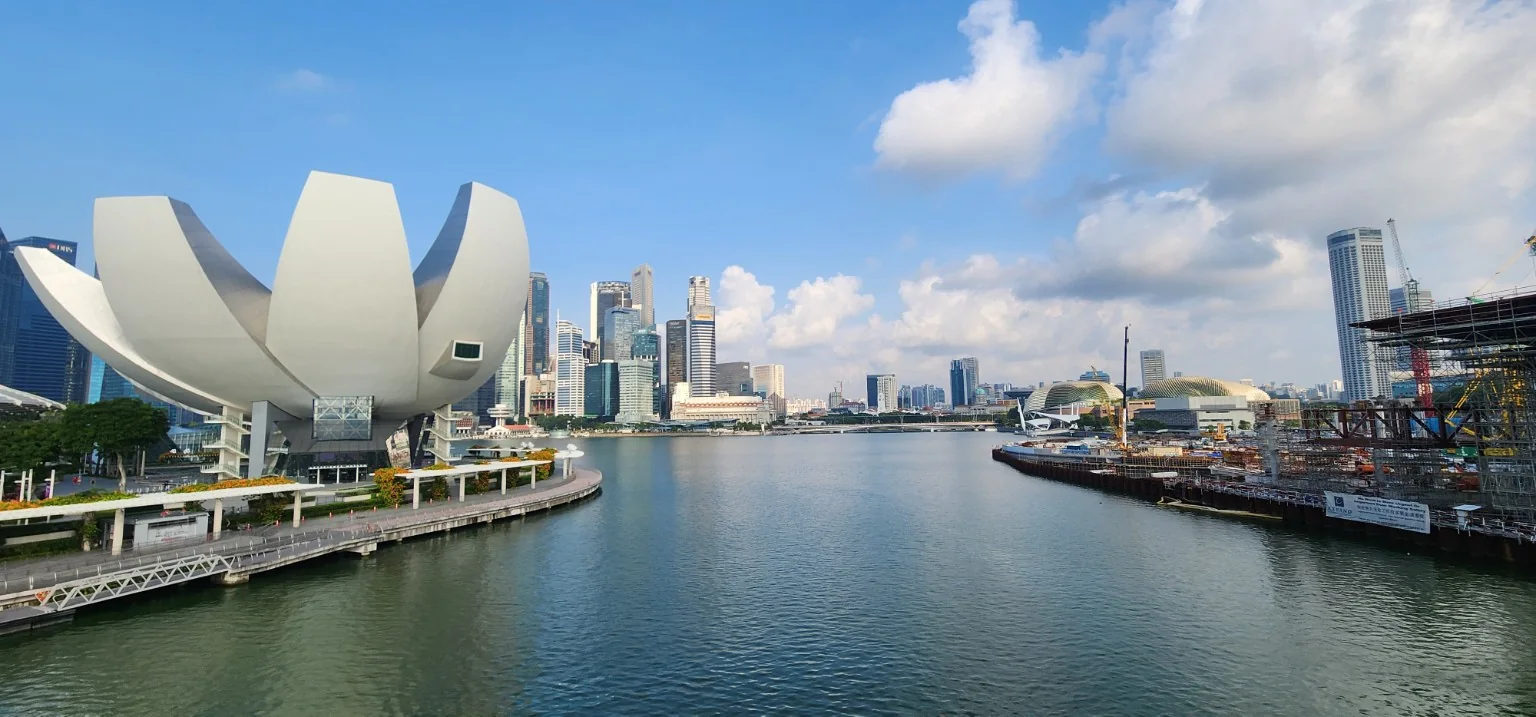
Singapore in Motion
My early-morning return to jogging from Gardens by the Bay and Marina Bay Sands to Fullerton, Esplanade and the developing NS Square.
I had not really jogged for some time. This morning, I decided it was time to begin rebuilding my cardiovascular fitness not by chasing speed, distance or records, but by simply putting on my shoes and moving again.
Morning is a good time for me to exercise. The air feels calmer, the waterfront is not yet at its busiest, and the mind has space to notice things that are often missed when we rush from one destination to another.
What began as a gentle return to jogging became a journey through several layers of Singapore: gardens and architecture, heritage and public art, familiar national landmarks and a major new development taking shape beside the bay.
A morning decision to rebuild my cardio
Returning to jogging after a break requires some humility. The body may remember movement, but cardiovascular endurance has to be rebuilt progressively.
I did not treat this outing as a race. I alternated between comfortable jogging, slower movement and pauses to take photographs. That made the session realistic, enjoyable and sustainable.
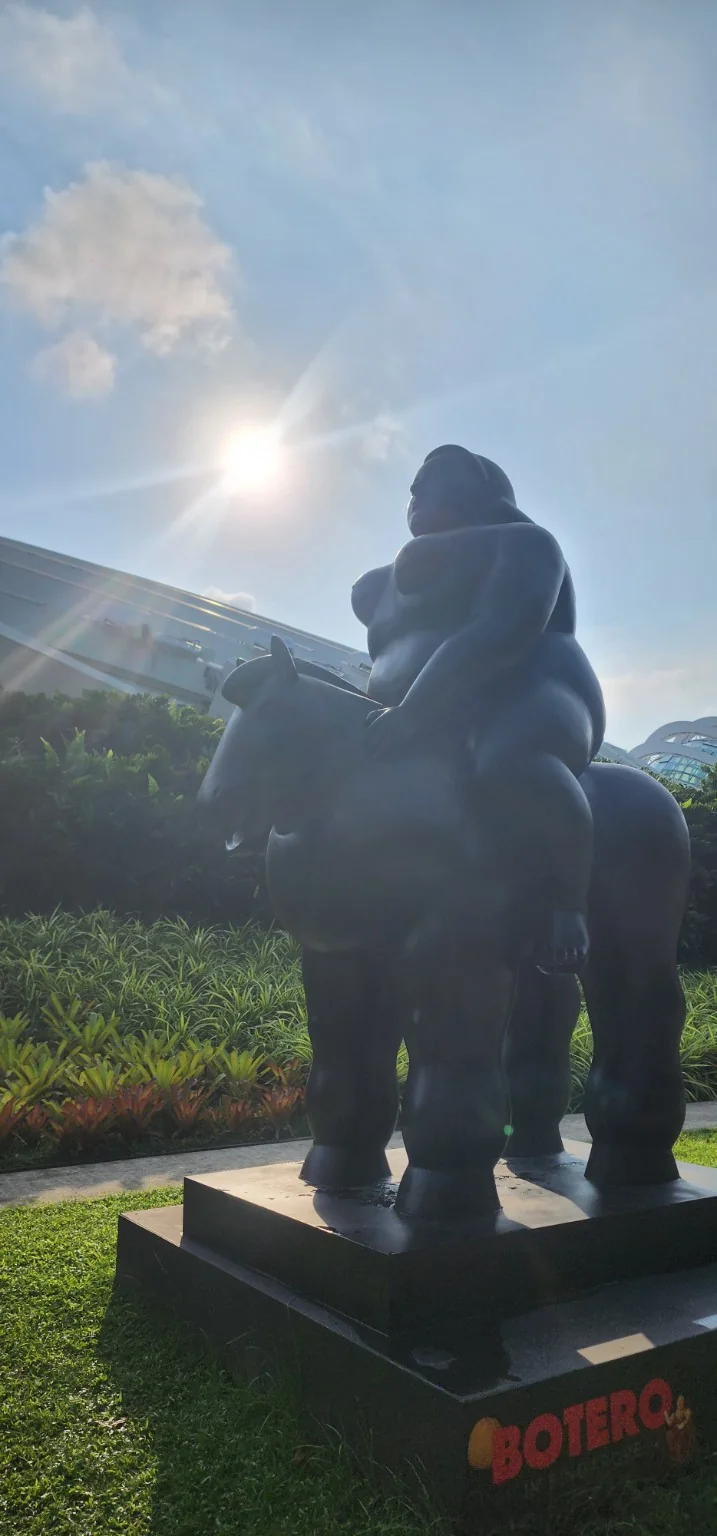
The morning sun appeared behind the sculpture, creating a dramatic silhouette. It was a reminder that outdoor movement is not only about exercise metrics. It can also reconnect us with our surroundings.
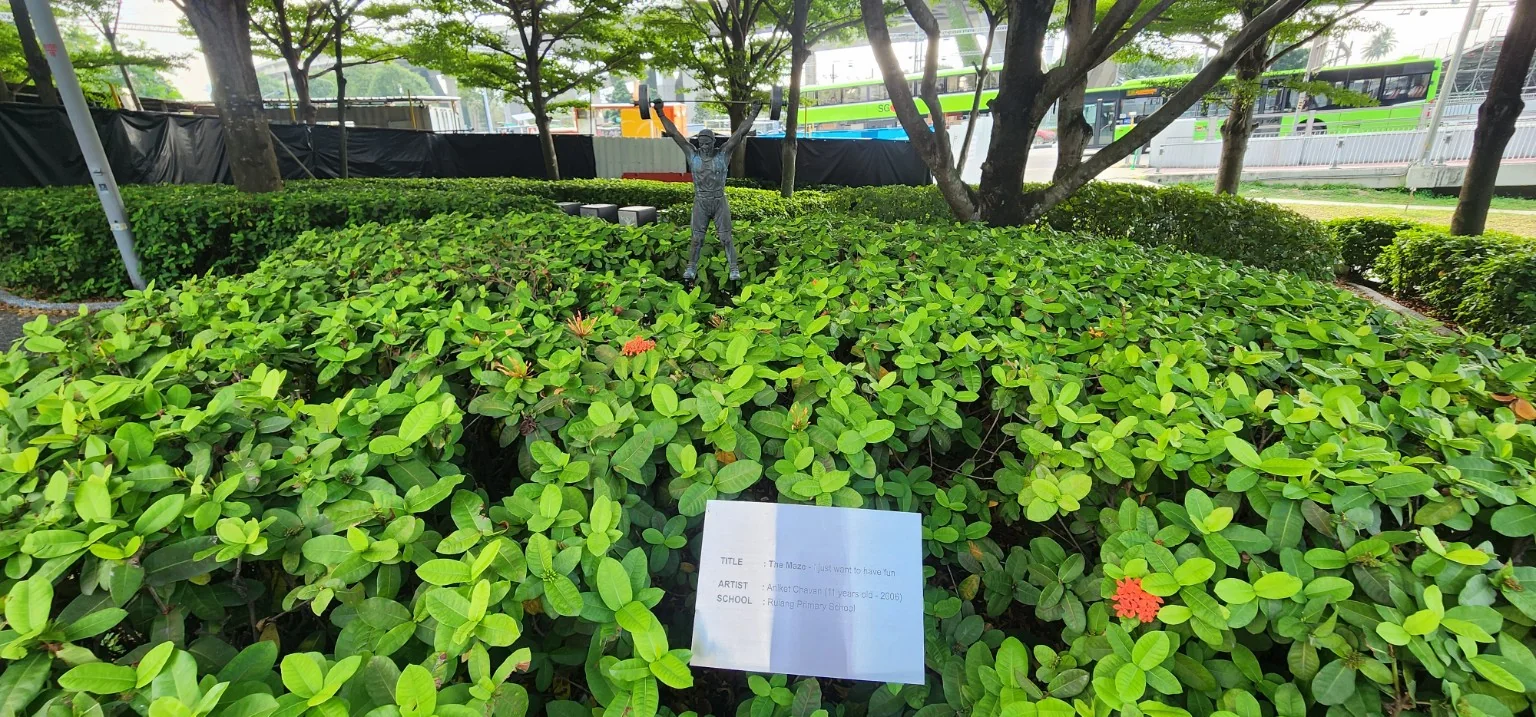
Public art made me slow down and look
Jogging through the city does not mean moving past everything as quickly as possible. Some places deserve a pause.
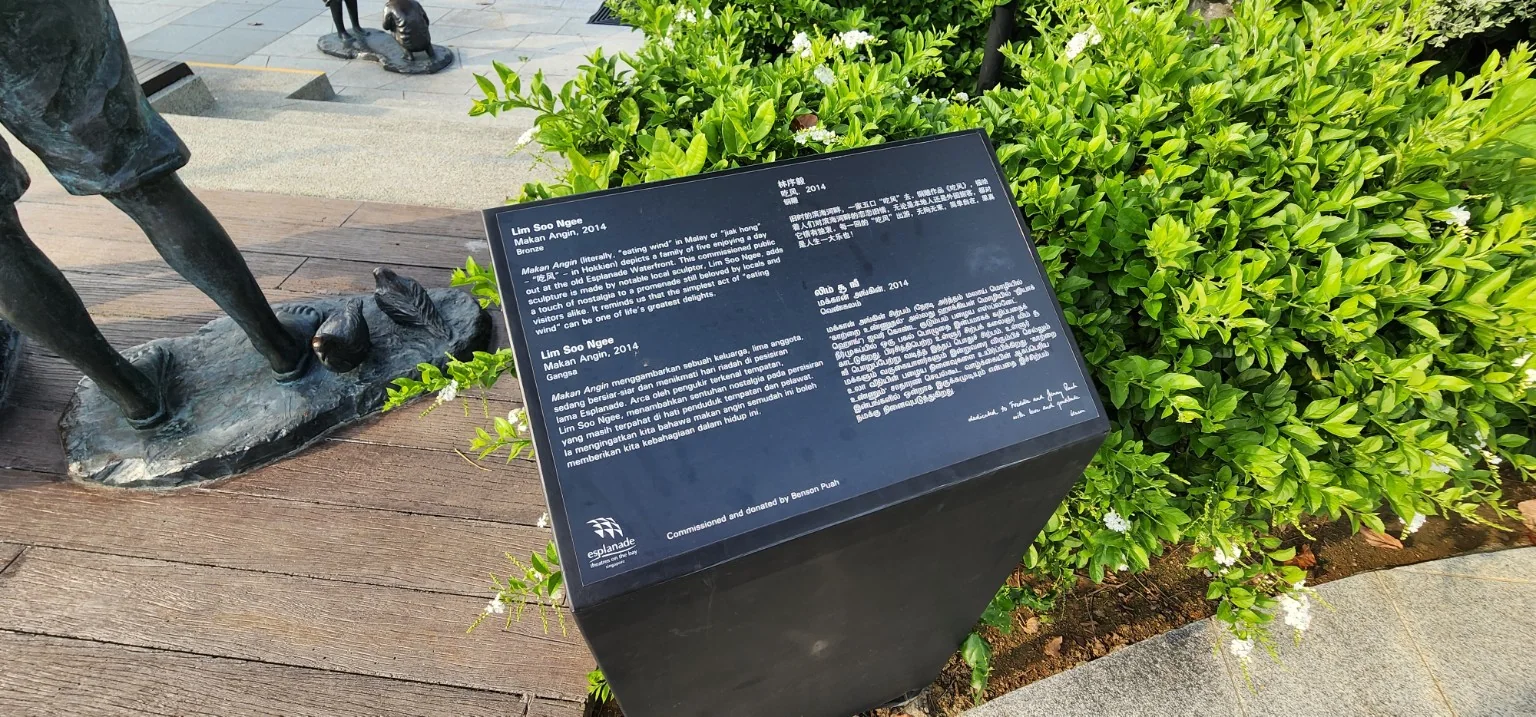
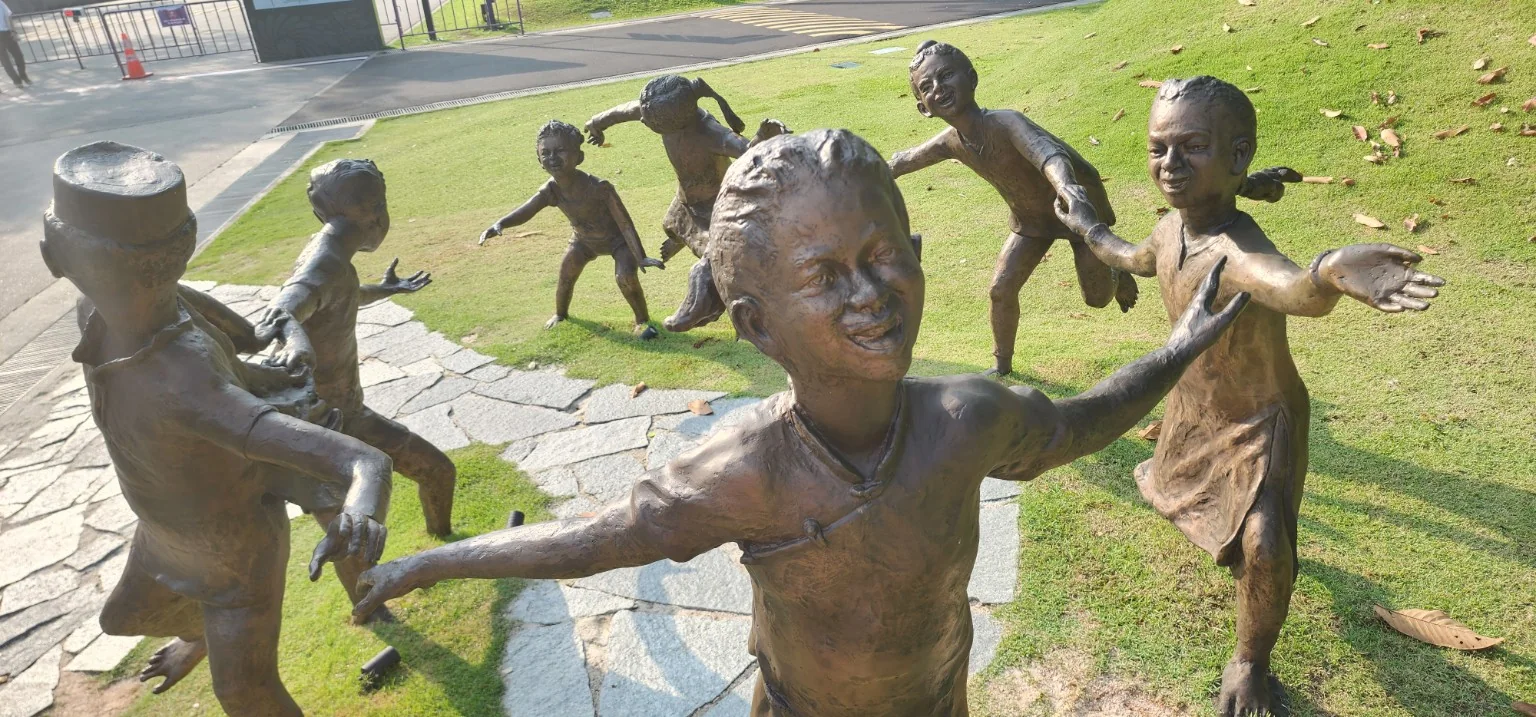
The figures of children at play felt particularly appropriate during a morning devoted to movement. Before exercise became associated with programmes, targets and performance data, movement was simply part of play.
Perhaps sustainable fitness begins when movement feels less like a punishment and more like something we are naturally meant to enjoy.
Architecture, water and a city waking up
Approaching Marina Bay Sands, the scale of the waterfront opened up. Water, glass, steel, greenery and blue sky formed one continuous urban landscape.
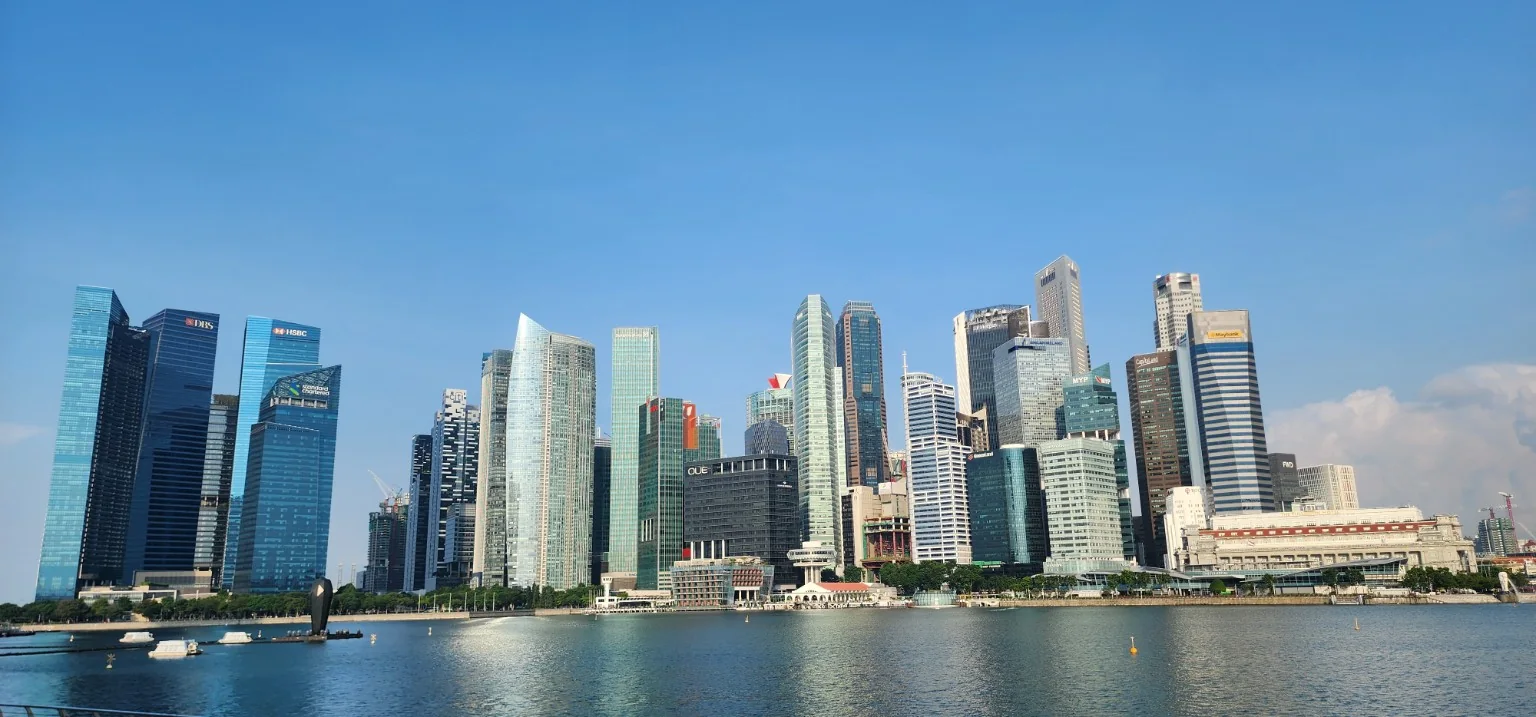
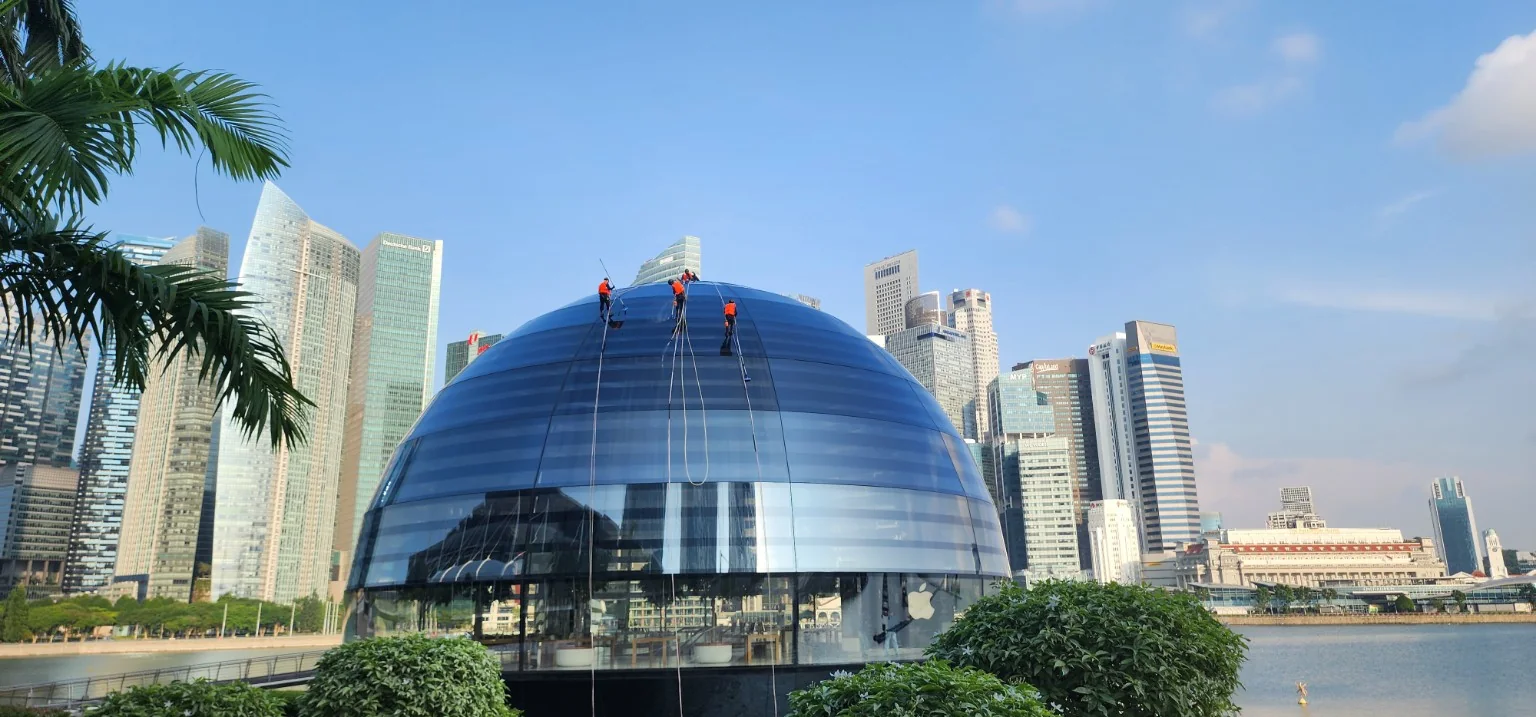
The polished skyline may appear effortless from a distance, but a closer look reveals the work required to maintain it.
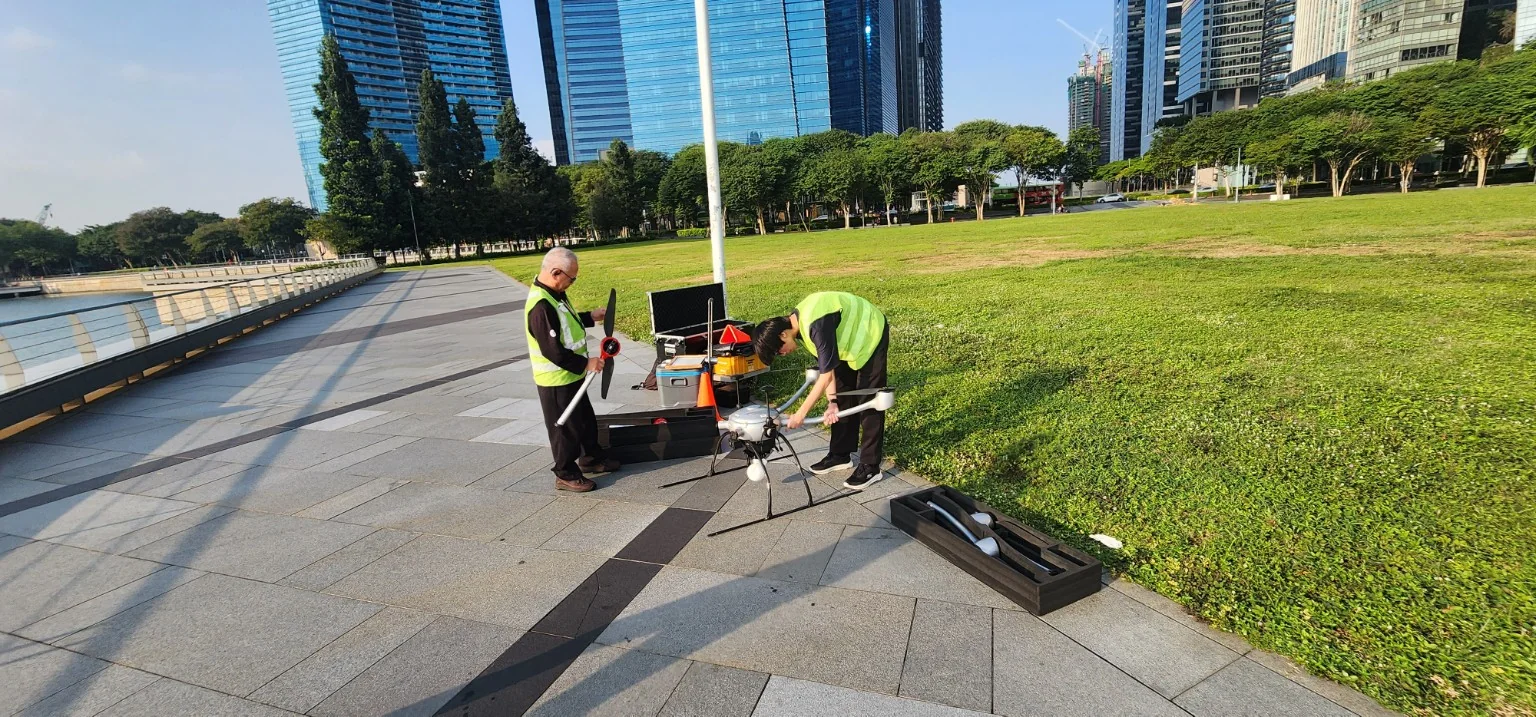
Behind the skyline
Every clean public space, maintained building and safe waterfront route is supported by people working behind the scenes. A morning jog offers time to notice not only Singapore’s landmarks, but also the effort that keeps the city functioning.
Moving from modern Singapore into maritime memory
Continuing towards Collyer Quay and Fullerton, the atmosphere gradually changed. Modern office towers still dominated the skyline, but the waterfront began to reveal an older story.
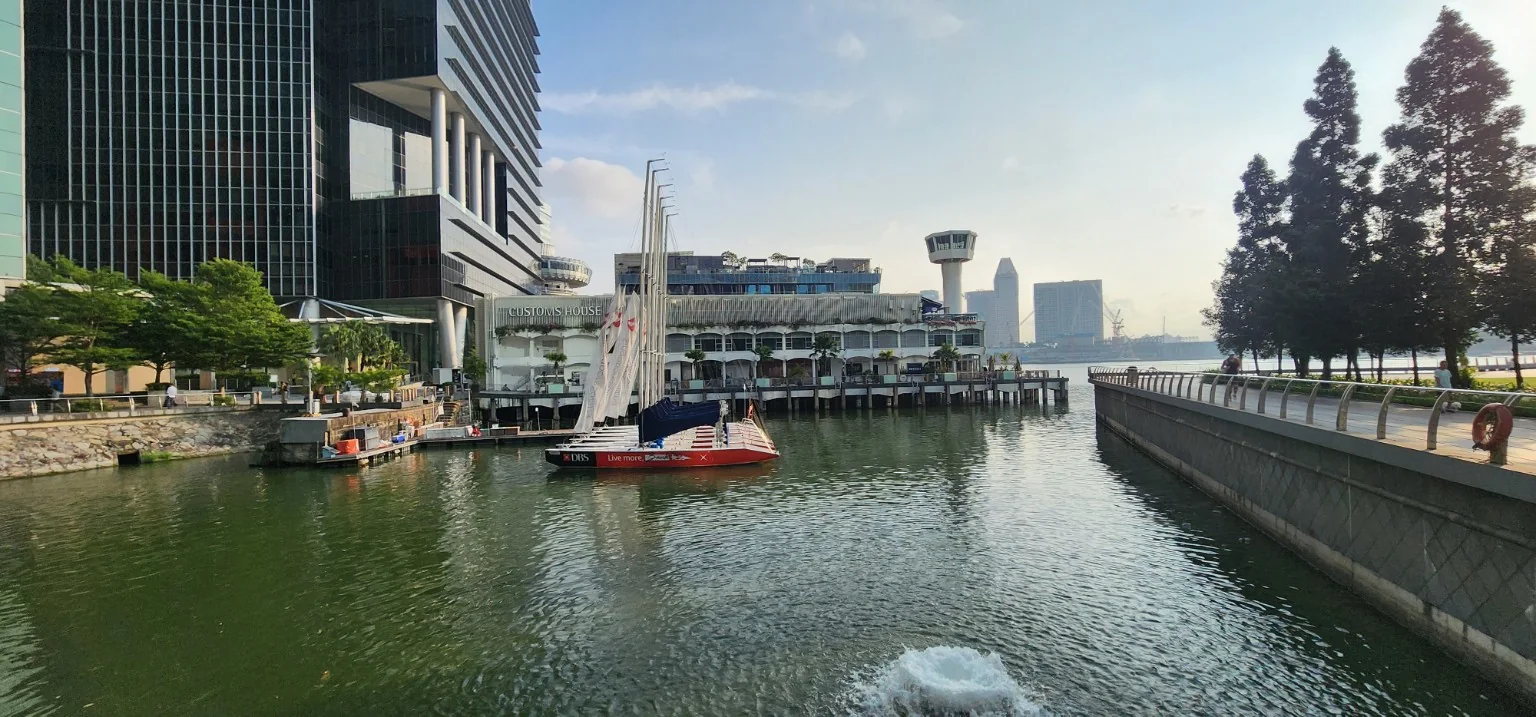
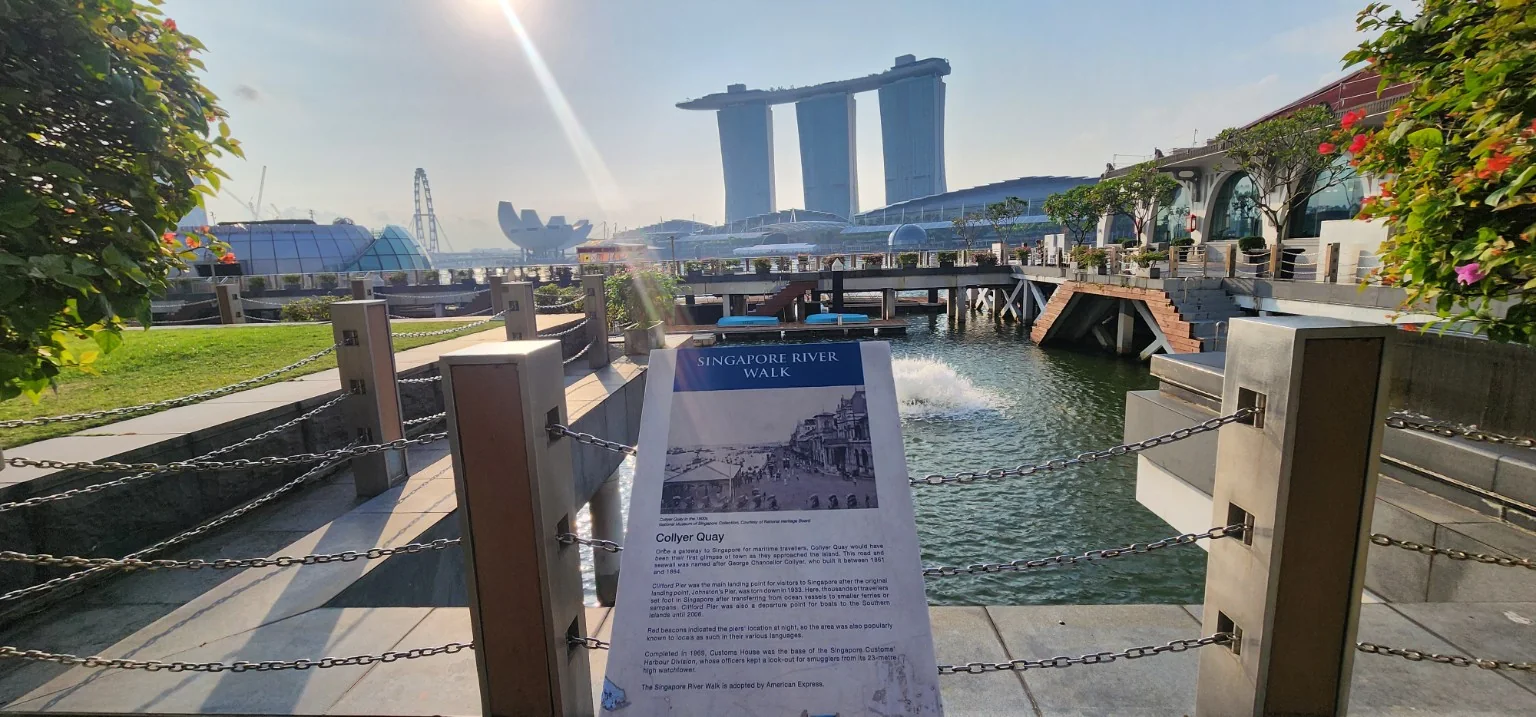
Clifford Pier opened in 1933 and served as a busy landing point for passengers and goods. Together with Customs House and the former Change Alley Aerial Plaza, it forms part of the conserved historic landscape around Collyer Quay.
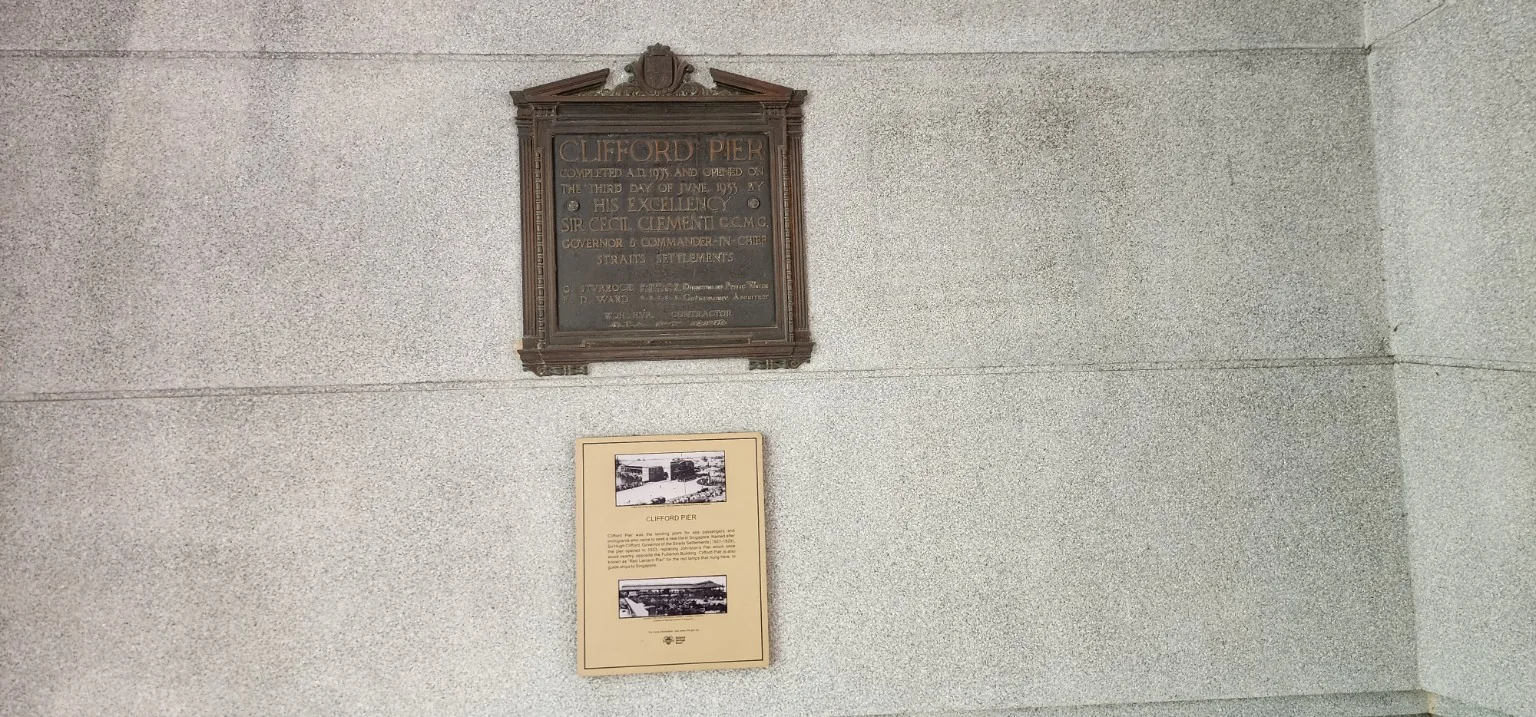
It is easy to see this area only as an attractive waterfront. Yet it was once closely connected to journeys, trade, work and migration.
Looking through the Window of Hope

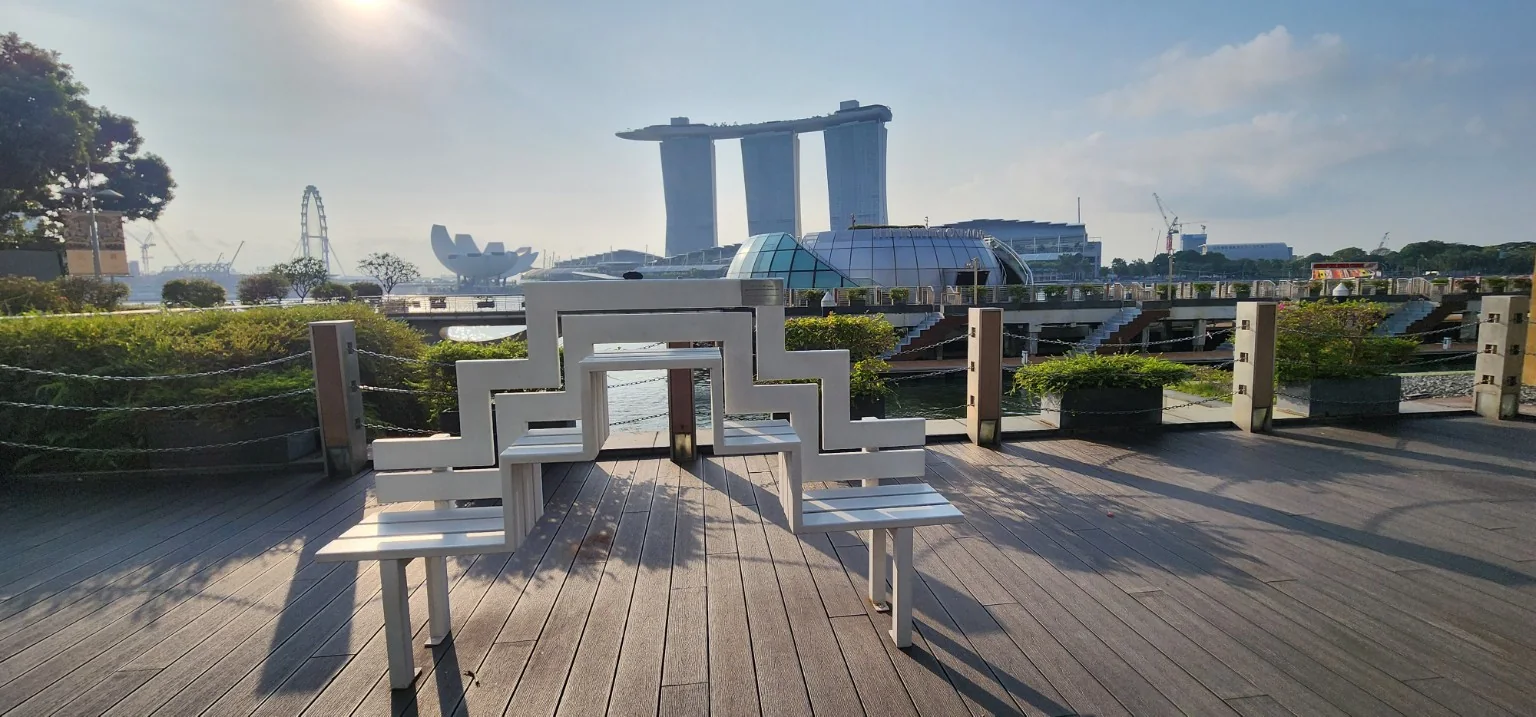
The Window of Hope created one of the most reflective moments of the route. It evokes people arriving by sea with uncertainty, courage and hopes for a better future.
Seen against Marina Bay Sands, the artwork visually connects two Singapores: the earlier port through which people and opportunities arrived, and the contemporary city that later emerged.
Progress is easier to appreciate when we remember the sacrifices, labour and aspirations that came before it.
Familiar landmarks seen differently on foot
The Merlion is among Singapore’s most recognisable landmarks. It is also a place that many residents may pass repeatedly without stopping to observe.
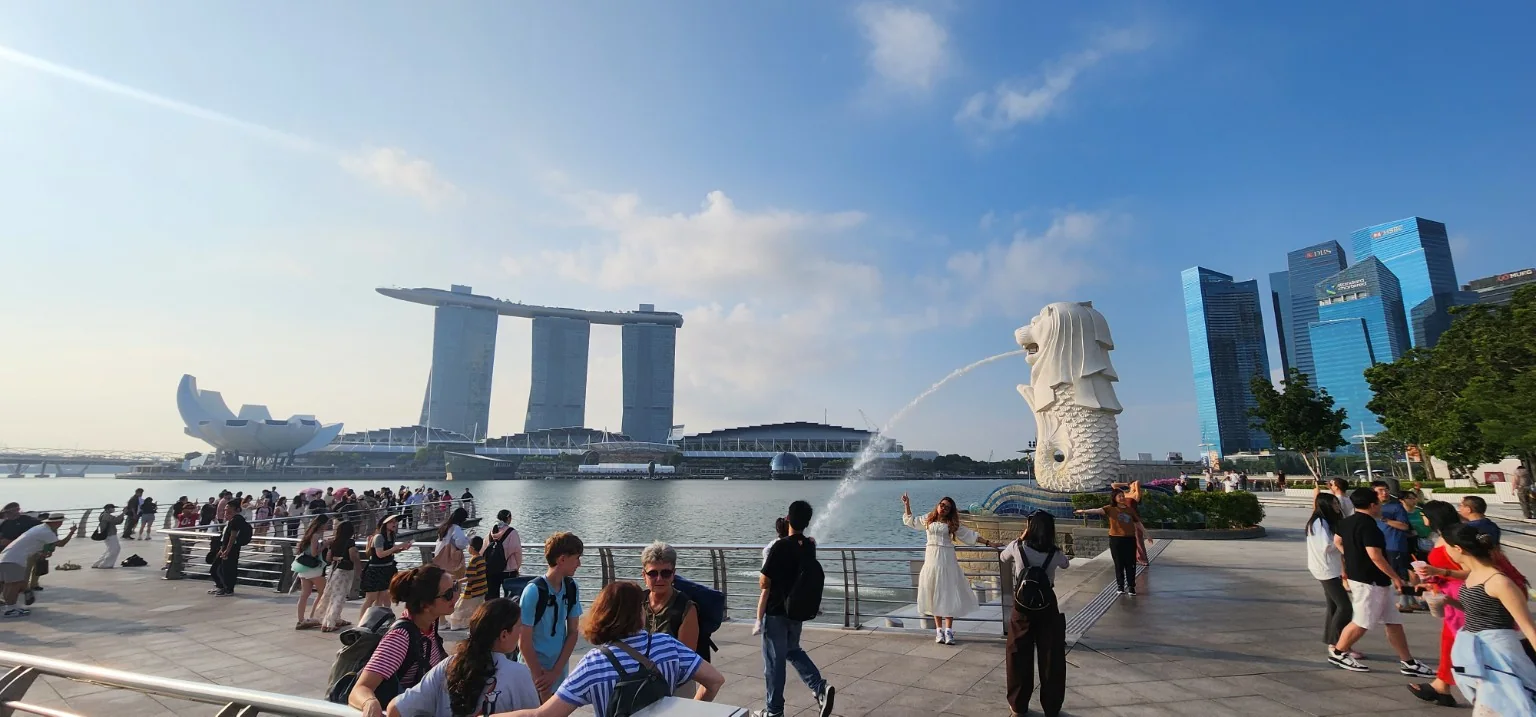
Experiencing the landmark during a jog felt different from arriving by car or public transport. There was a continuous sense of geography: the bay, bridges, promenade and skyline were connected through movement.
Movement, family, food and the arts
Around Esplanade, the route became a meeting point between exercise and culture. Public sculptures, performance spaces and waterfront activity brought a more human scale to the city.
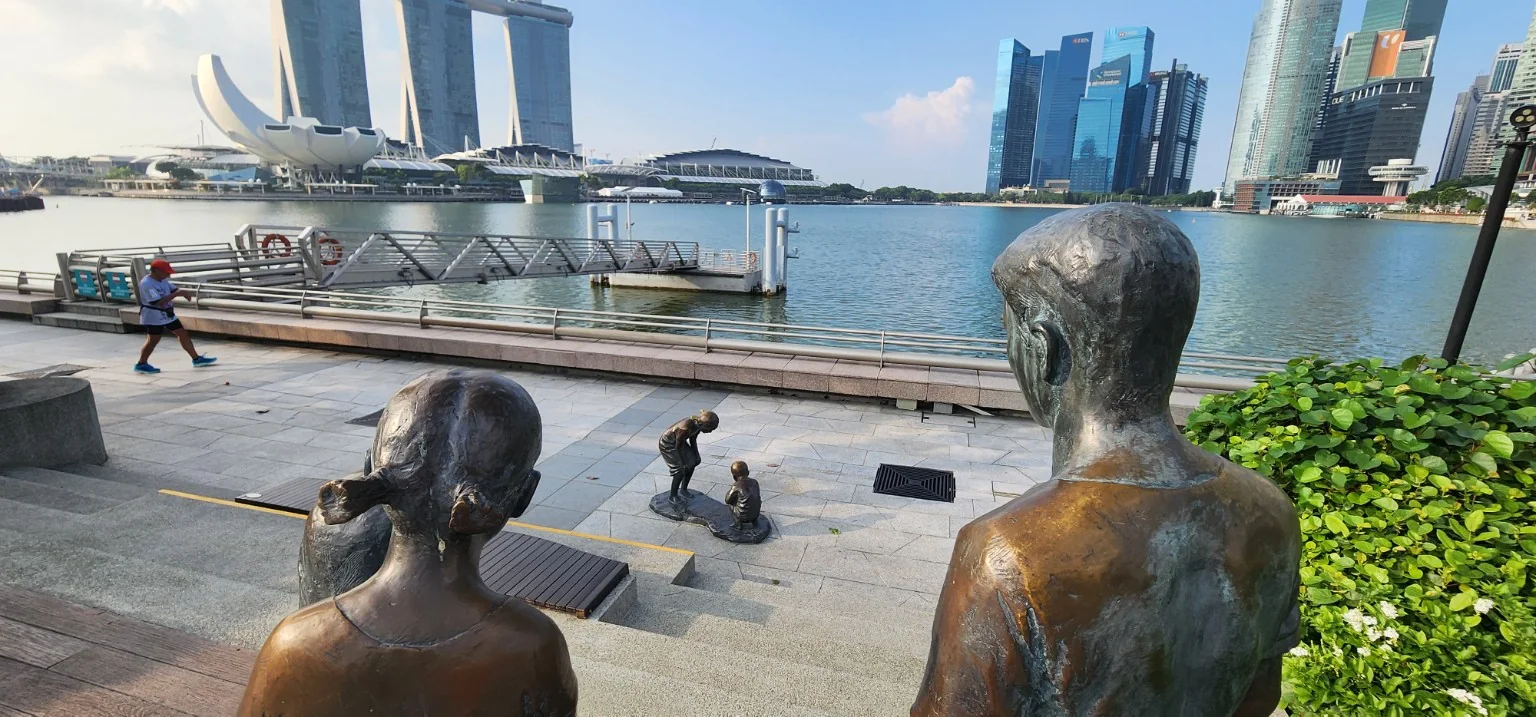
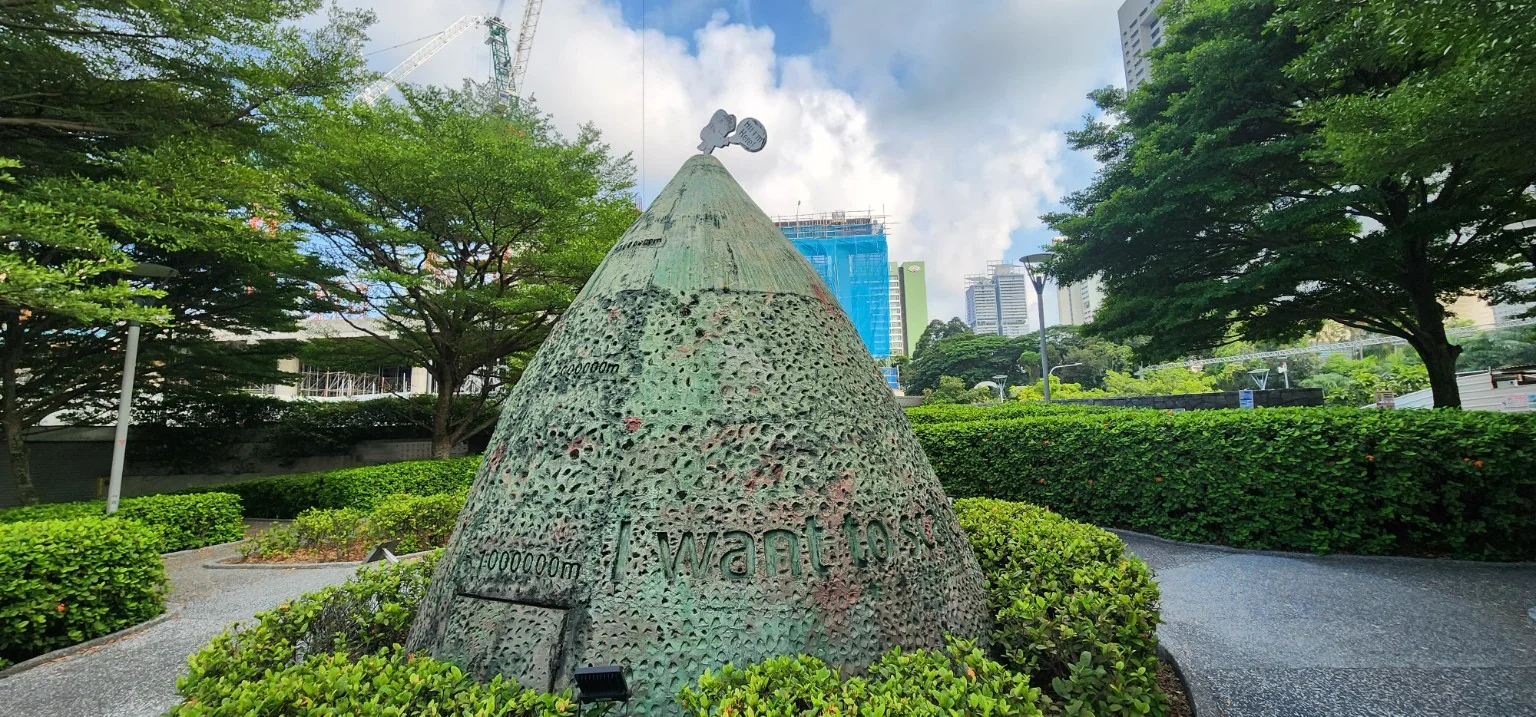
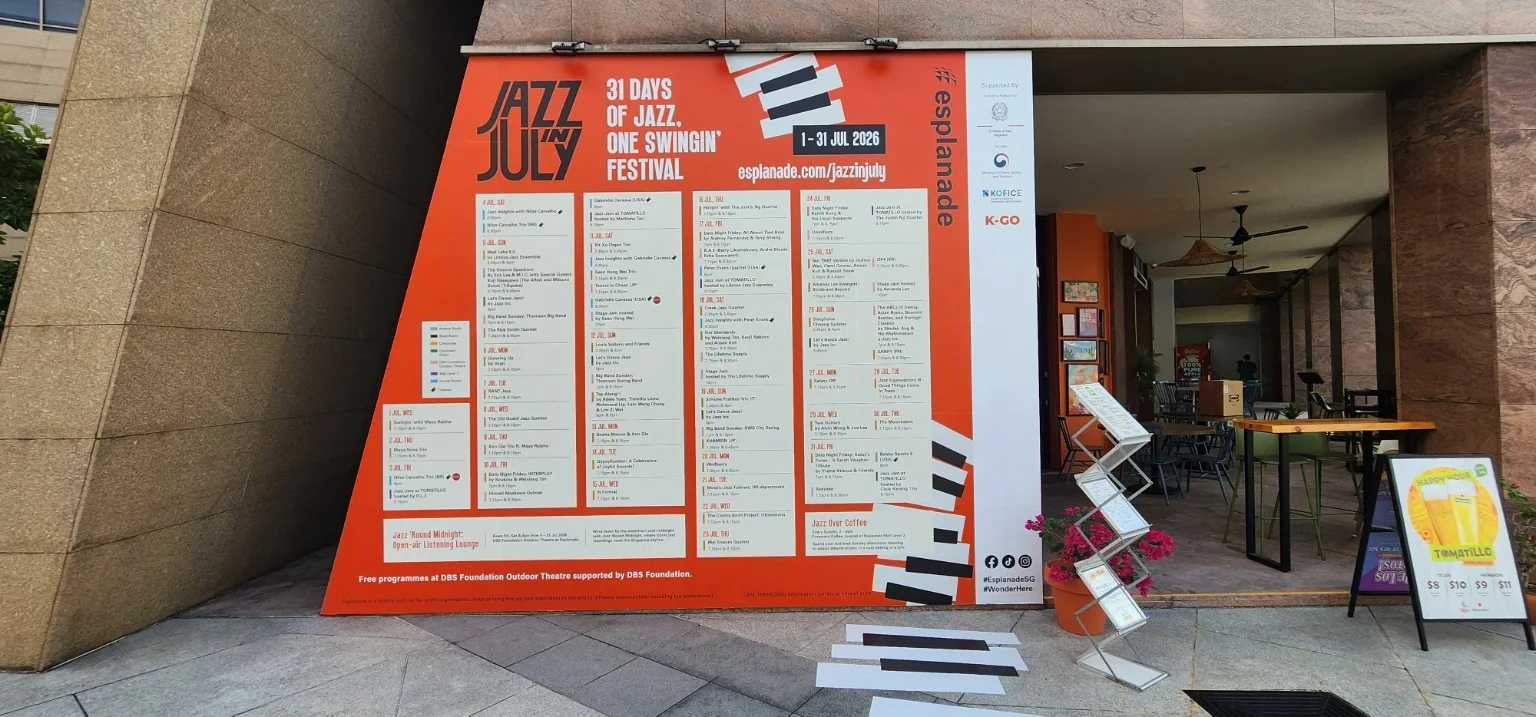
Fitness, art and community life do not need to occupy separate spaces. A well-designed city allows them to meet naturally.
Crossing a bridge built around connection
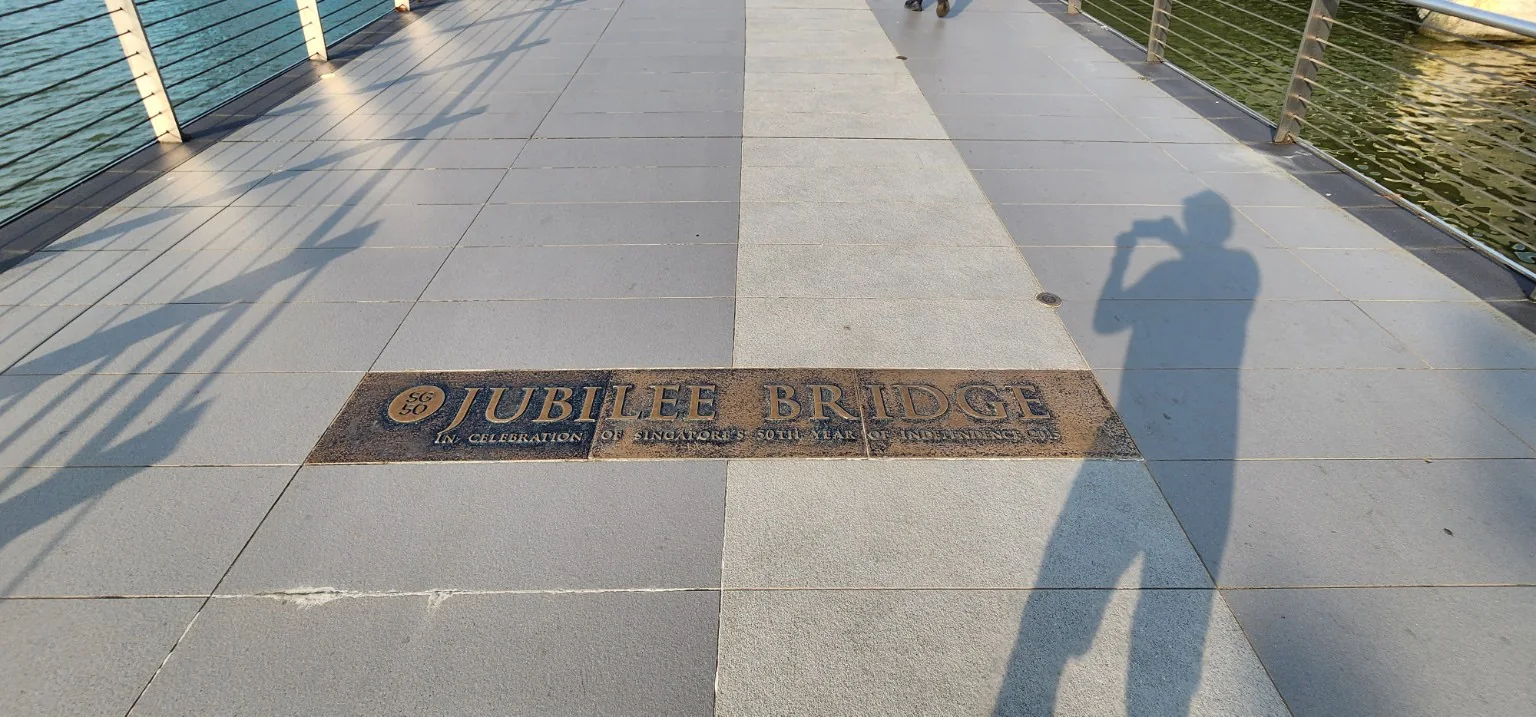
My shadow fell across the Jubilee Bridge marker as I stopped for this photograph. It became an unplanned self-portrait not of my face, but of my presence within the route.
Bridges are practical structures, but they are also powerful symbols. They connect places, people and different chapters of a city.
NS Square taking shape beside the bay
Near the end of the route, I reached the major construction works beside the waterfront. The contrast was striking: Marina Bay Sands stood as an established icon while another significant public structure was being assembled nearby.
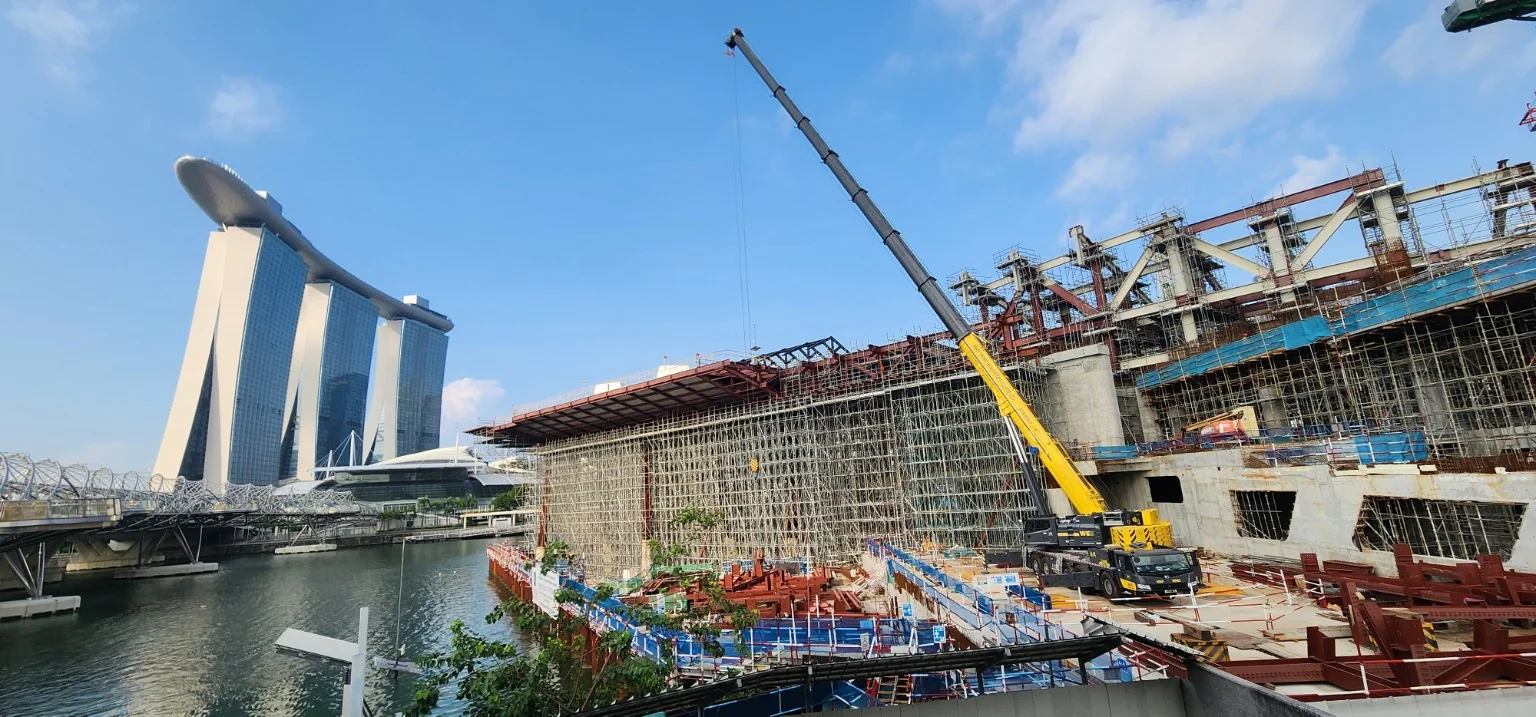
Singapore is rarely static. Even its most recognisable districts continue to evolve. Construction may temporarily change familiar views, but it also records a city preparing for its next chapter.
The skyline opened up once more
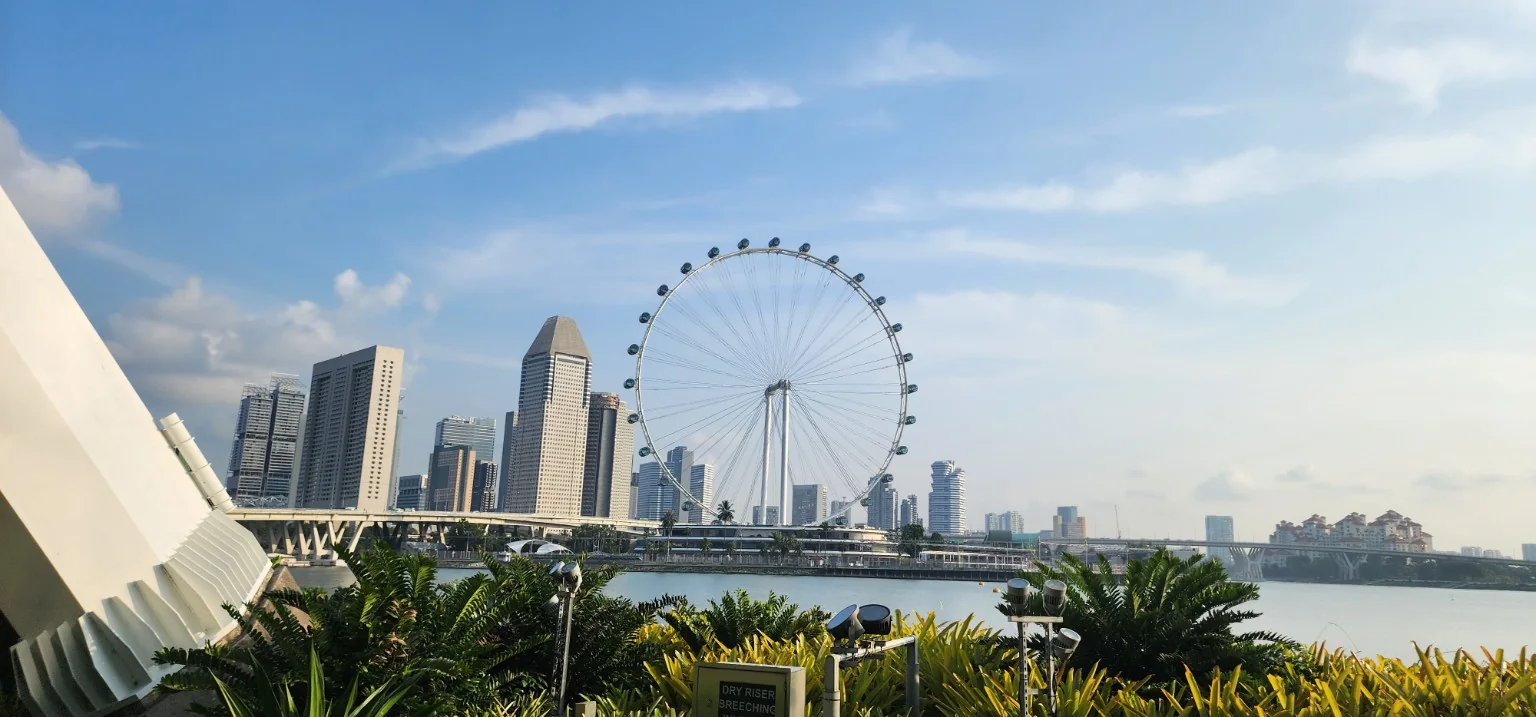
By this stage, the objective was no longer simply to finish the route. The morning had already served its purpose: I had moved, explored, photographed and reconnected with jogging.
What this morning taught me about restarting
Rebuilding cardiovascular fitness does not begin with one heroic session. It begins with a manageable session that leaves enough confidence and energy to return another day.
Start below your maximum
A comfortable jog-and-walk approach can be more sustainable than forcing a continuous hard run after a long break.
Build consistency first
Regular, repeatable sessions matter more than attempting too much during the first return to exercise.
Enjoy the environment
A meaningful route, beautiful surroundings and personal curiosity can make movement easier to sustain.
A practical safety reminder
- Begin at a conversational effort rather than immediately pushing for speed.
- Use suitable footwear and remain alert around cyclists, pedestrians, crossings and construction diversions.
- Hydrate appropriately and consider Singapore’s heat and humidity.
- Stop and seek medical advice if exercise causes chest discomfort, faintness, unusual breathlessness or other concerning symptoms.
- People with medical conditions or a prolonged period of inactivity should obtain appropriate professional guidance before starting vigorous exercise.
One morning, many layers of Singapore
This was not my fastest jog, and it was not meant to be. It was a return to movement and a reminder that progress can start quietly.
From Gardens by the Bay to Marina Bay Sands, Collyer Quay, Fullerton, Merlion Park, Esplanade and NS Square, the route connected nature, architecture, heritage, art, work and national development.
Fitness gave me the ability to move through the city. Slowing down gave me the opportunity to appreciate it.
My next objective is straightforward: continue jogging progressively, rebuild my cardiovascular base and allow consistency, not impatience, to determine the pace.
- Andrew Koh
What part of Singapore do you enjoy walking or jogging through in the morning?
References and further reading
- National Heritage Board, Roots: Photograph and history of Clifford Pier .
- National Heritage Board, Roots: The Singapore River Story .
- Esplanade – Theatres on the Bay: Makan Angin by Lim Soo Ngee .
- National Parks Board: Singapore River Promenade .
- Singapore Tourism Board: Marina Bay neighbourhood guide .
Editorial note: This article documents a personal recreational outing and is intended for general information and inspiration. It does not replace individual medical or exercise advice. Photographs by Andrew Koh.