
Truths, Mystery and Memory: Why the National Gallery Singapore Still Fascinates Me

SINGAPORAMA artwork by Navin Rawanchaikul at National Gallery Singapore

In Singapore, I have always been fascinated by truths, mystery and curiosity. Since young, I have loved exploring places that carry stories deeper than what the eye first sees. Over the years, the National Gallery Singapore has remained one of my favourite places for that reason. It is not just a gallery of art. To me, it is a place where architecture, memory, identity and community quietly meet, inviting us to look again at how Singapore became what it is today.

Each visit feels like stepping into layers of Singapore. The grand civic building, with its columns, stone facade and sense of weight, reminds me that this place once stood at the centre of public life. Today, it carries a different role, but no less meaningful. It is now a home for art, reflection and memory. That alone says something extraordinary about heritage in Singapore. We do not simply preserve old spaces and leave them behind glass. We give them new life, new purpose and new relevance.

One of the first works that immediately caught my attention was SINGAPORAMA by Navin Rawanchaikul, and I loved it the moment I saw it. It was impossible to ignore. Monumental in scale, vibrant in detail and full of life, it felt far more than an artwork hanging in a large space. Knowing that it is the largest artwork ever produced by Navin Rawanchaikul and his studio makes it even more remarkable. Created in less than six months, the monumental canvases were entirely hand-painted in a realist style, marked by meticulous detail and extraordinary scale. Complemented by video interviews and a travelogue film, the project reflects an immense collective effort, bringing together painting, moving image and storytelling in a way that feels both ambitious and deeply human.

Set against the grand facade of the National Gallery, SINGAPORAMA felt like a living collage of Singapore. The historic building behind it carried the weight of civic memory, while the artwork in front seemed to pulse with faces, stories, voices and shared experience. That contrast stayed with me. If the building preserves history in stone, SINGAPORAMA seems to preserve it in people. In that moment, it felt as though the past and present were speaking to each other one holding the structure of history, the other carrying the lived and breathing energy of community.

What moved me most about SINGAPORAMA was its collective spirit. Heritage is rarely created by one person alone. Community, identity and memory are built through many hands, many encounters and many lives. That is why this work felt so fitting within the National Gallery. It did not just impress visually. It expressed something essential about Singapore that our story is layered, collaborative and always larger than any one individual.

Over the years, I have probably lost count of how many times I have chanced upon the works of Xu Beihong, Georgette Chen, Chen Wen Hsi, Liu Kang, Lim Tze Peng and many others. Yet each encounter still feels fresh. There is something timeless about old art. I have always been drawn to that world, from classical paintings and calligraphy to abstract art that leaves room for thought, interpretation and feeling. Good art has a way of meeting you differently at different stages of life. What once looked beautiful may later feel meaningful. What once seemed distant may suddenly feel personal.

That is one reason why the National Gallery keeps drawing me back. It is not just about seeing artworks. It is about revisiting familiar names and finding new meaning in them each time. Art, to me, preserves more than beauty. It preserves mood, culture, memory and the quiet spirit of a people. In a fast-moving city like Singapore, these works remind us that our story was never built only through steel, policy and progress. It was also shaped through imagination, expression, struggle, tenderness and human observation.

Mother and Child sculpture by Ng Eng Teng at National Gallery Singapore

One work that caught my attention again was Ng Eng Teng’s Mother and Child. There is something warm and enduring about it. Beyond its form, what fascinates me is that the sculpture itself has had a journey over the years. In some ways, that feels symbolic of heritage in Singapore too. Memory is not always fixed in one place. Sometimes it is carefully moved, preserved and given a new home, so that another generation can continue to encounter it afresh. A work like this reminds me that heritage is not static. It travels with us, and we continue to reinterpret it through time.


Former City Hall conservation display at the National Gallery Singapore

I was also drawn to the installations that showcased the conservation story of the Gallery itself. Looking at old photographs, restoration details and architectural elements, I was reminded that the National Gallery is not only a place that houses heritage. It is itself part of heritage. The former City Hall and old Supreme Court are not just impressive buildings. They are part of Singapore’s civic memory. Seeing how the space was carefully transformed deepened my appreciation for the idea that conservation is not merely about protecting walls, but about preserving meaning.

Even the wider experience of the Gallery adds to this sense of layered culture. The presence of heritage dining within the building, including Violet Oon’s restaurant, reinforces the idea that Singapore’s story is not only found in art and statehood, but also in food, memory and lived culture. In one space, architecture, art and culinary heritage quietly speak to one another.


Singapore state symbols display at the National Gallery Singapore

Another part that stayed with me was the display of Singapore’s Constitution, state symbols and early nationhood materials. Standing before these exhibits, I felt that heritage was no longer only about culture and aesthetics. It became something deeper, about responsibility, belonging and the shared journey of nationhood. The Constitution, the state flag and the state crest were not just objects behind glass. They were reminders that Singapore’s identity had to be shaped, defined and carried forward with intention.

The section on citizens’ duties struck me too. In modern Singapore, we often speak about rights, convenience, progress and opportunity. Yet heritage also reminds us that citizenship carries responsibility. A nation does not become strong only through development and economic growth. It depends on whether people understand their role in society, whether they contribute, whether they care, and whether they choose to be part of something larger than themselves. That was a powerful reminder that community is not accidental. It is built.

Electoral history display at the National Gallery Singapore

One of the exhibits that moved me most was the electoral display linked to Singapore’s early self-government period. Looking closely, these were not merely old campaign posters and candidate sheets. They represented a generation of political figures standing at a defining point in our history, including those who would later be remembered among Singapore’s founding generation. What struck me was that before they became names etched into national memory, they were first candidates before the people, seeking trust at a time when Singapore’s future was still unfolding.

That made the experience feel deeply human. History often presents great figures as if they were always larger than life. But exhibits like these remind us that nationhood begins in very real and ordinary ways, through participation, responsibility, trust and choice. It begins with citizens who vote, leaders who step forward, and a society willing to shape its own destiny together. In that moment, heritage did not feel distant. It felt alive in the faces, decisions and uncertainties of the past.

Perhaps that is why the National Gallery Singapore continues to fascinate me after so many visits. It speaks to the part of me that has always been curious since young, always wanting to know more, look closer and uncover the stories beneath the surface. Every corner seems to reveal another truth, another question, another layer of memory. Sometimes it is found in an old master’s painting. Sometimes in a sculpture. Sometimes in a constitutional display, an election poster, a conservation installation or a monumental work like SINGAPORAMA that gathers people, memory and imagination into one visual field.

To me, the National Gallery is more than a favourite place to visit. It is one of those rare spaces in Singapore where art, history and nationhood do not feel separate. They come together and remind us that heritage is not just about the past. It is about how we see ourselves today, and what kind of community we want to continue building for tomorrow.

In a city that moves quickly, places like this matter. They slow us down. They ask us to remember. They invite us to reflect. And perhaps most importantly, they remind us that behind every institution, every milestone and every national symbol, there were always people, stories and shared hopes that made Singapore what it is.

That is why I keep returning.

A Quiet Reminder in Stone

Before leaving, I found myself looking up once more at the facade of the building. It was not only the grandeur of the columns or the weight of history that caught my attention, but something quieter. Looking closely, some parts did not seem fully reinstated. I took these photographs because that detail stayed with me.

To me, it felt like more than an architectural detail. It felt like a reminder. Not everything in heritage needs to be polished back into perfection. Sometimes, what remains visible speaks more deeply than what has been renewed. The building seems to carry memory in silence, reminding us that Singapore’s story was shaped not only by progress and success, but also by hardship, disruption and endurance. In a fast-moving city, such traces matter. They invite us to pause, reflect and remember that the past was not without scars. Perhaps that is one of the deeper meanings of heritage: not everything is meant to be erased. Some marks remain, so that memory can remain too.

And in that quiet reminder, the building still speaks of Singapore.

Architectural facade detail of the National Gallery Singapore showing unrestored ornamental sections

Fort Siloso and Sentosa: Where Heritage, Resilience and Everyday Life Meet

Sentosa is often seen as a place of leisure, entertainment, and escape home to attractions, scenic coastal routes, and popular beaches. Yet beyond its vibrant energy lies a deeper and more reflective side. Fort Siloso stands as one of Singapore’s most meaningful wartime heritage sites, quietly preserving the memory of struggle, occupation, defence, and the difficult lessons that shaped the Singapore of today.

For me, Sentosa is also one of my favourite places to exercise, hike, eat, run, and cycle. Perhaps that is what makes it so special. It is not only a place for movement and enjoyment, but also one where heritage and everyday life come together in a very real way. One moment, I am enjoying the openness of the coastal paths and sea breeze; the next, I am confronted by reminders of a painful past that transformed Singapore forever.

“The war opened the eyes of many people in Singapore. Things would never be the same again.”
Lee Kuan Yew, Prime Minister of Singapore, 1959–1990

One of the most reflective moments at Fort Siloso is encountering this reflection by Lee Kuan Yew. The quote speaks to more than the suffering of war. It reflects a profound shift in mindset. The Second World War and the Japanese Occupation shattered old assumptions and forced many in Singapore to confront a painful truth: dignity, safety, and the future of one’s family could not be left entirely in the hands of foreign powers.

Out of fear, uncertainty, and hardship emerged a stronger resolve for self-governance, national resilience, and the determination to build a country that could stand on its own feet. In this sense, the quote is not only about wartime memory. It captures the awakening of a generation and the birth of a more determined Singapore spirit.

Lee Kuan Yew quote display at Fort Siloso about how war changed Singapore and shaped the determination for self-governance

A reflective quote by Lee Kuan Yew, Prime Minister of Singapore, 1959–1990, on how the war transformed Singapore’s thinking and shaped the resolve for dignity, self-determination, and nationhood.

A generation awakened by war

This image sets the emotional tone for the entire heritage journey. It reflects how war changed the thinking of a generation and strengthened the resolve for dignity, self-determination, and nationhood.

This quote by Lee Kuan Yew, Prime Minister of Singapore, 1959–1990, carries a meaning far deeper than its words alone. It reflects a generation awakened by hardship, forced to confront the painful truth that neither colonial rule nor foreign power could guarantee their dignity, safety, or future. The Second World War and the Japanese Occupation became defining lessons that changed how many in Singapore saw themselves and the kind of country they hoped to build. Out of fear, uncertainty, and suffering emerged a stronger resolve for self-governance, national resilience, and the determination to raise future generations in a country they could truly call their own.

Scenic reflection view near Fort Siloso with greenery, calm waters, and Singapore skyline in the distance

From coastal memory to modern confidence, this Sentosa shoreline view reflects the contrast between Singapore’s past and present.

Calm waters, living community

What moved me here was not only the scenic beauty, but also the quiet community life unfolding along the shoreline that morning. I saw people gathering by the water, walking, exploring the shore, and simply enjoying the open air together. It was a simple but meaningful reminder of what peace makes possible.

Waters once linked to uncertainty and vulnerability now stand beside a modern, confident Singapore shaped by resilience and progress. The same coastline that once formed part of a landscape marked by danger, defence, and strategic concern is today a place where ordinary life unfolds peacefully. In that sense, this image is not only about landscape. It is also about community, freedom, and how far Singapore has come.

Dragon’s Teeth Gate marker in Sentosa with coastal view and Singapore skyline in the background

A heritage marker in Sentosa that reminds visitors of Singapore’s strategic maritime past and the deeper stories hidden within the landscape.

Dragon’s Teeth Gate: where geography became history

This scene holds landscape, history, and modern Singapore in one frame. The Dragon’s Teeth Gate (Long-Ya Men) marker stands quietly by the water, surrounded by greenery, while the skyline beyond represents the Singapore of today.

What makes this especially meaningful is that the board points us to a time when geography itself shaped destiny. Long before Sentosa became associated with leisure and recreation, these waters were part of a much deeper story connected to navigation, trade, defence, and the strategic significance of Singapore’s coastline. The marker turns the landscape into something more than a beautiful view. It becomes a point of remembrance, helping visitors see that Singapore’s story has always been shaped by its geography as much as by its people.

Fort Siloso entrance with artillery display and surrounding greenery in Sentosa

A preserved entrance scene at Fort Siloso, where military history, remembrance, and Singapore’s wartime legacy continue to speak to the present.

Defence and remembrance

Military relics are not just historical objects. They are reminders that security, preparedness, and peace should never be treated lightly. The preserved entrance to Fort Siloso, with its artillery display and surrounding greenery, symbolises a place where history has been intentionally kept visible for future generations.

Defence is often understood in terms of weapons, structures, and strategy. Yet places like this also remind us that remembrance is part of defence. To preserve a site like Fort Siloso is to preserve the lessons that came with hardship: that peace is fragile, that resilience matters, and that complacency can be costly.

Historical mural

Black and white historical mural at Fort Siloso showing people and scenes from Singapore’s past

This mural humanises history, reminding us that Singapore’s story was shaped not only by events and places, but by the people who lived through them.


Heritage is about people, courage, and sacrifice

This mural carries deep emotional force because it places people at the centre of history. With Lim Bo Seng on the left and Elizabeth Choy among the figures, the scene reminds us that Singapore’s wartime story was shaped not only by events and places, but by individuals of courage, sacrifice, and resilience.

Lim Bo Seng is remembered as a symbol of patriotism and sacrifice. Elizabeth Choy is remembered for courage, compassion, and moral strength. Their presence in the mural humanises the heritage of Fort Siloso, showing that remembrance is not only about military defence, but also about honouring the people whose choices, endurance, and convictions helped shape the moral memory of a nation.

In the end, forts preserve places, but people like Lim Bo Seng and Elizabeth Choy preserve meaning.

Where heritage and everyday life meet

What makes Sentosa unique is that it allows different layers of meaning to coexist. It can be a place for recreation, reflection, wellness, and remembrance all at once. That is something I appreciate deeply. I may come here to run, hike, cycle, exercise, or enjoy a meal, but I am also reminded that this same island carries stories far greater than leisure.

It holds part of Singapore’s wartime memory and, with it, the lessons that shaped our national identity. In a fast-moving world, heritage sites like Fort Siloso continue to matter because they ground us. They remind us that progress has a backstory, that peace has a price, and that nation-building is never abstract. It is lived by real people across real generations.


Sentosa, in that sense, is more than a lifestyle destination. It is a place where beauty, movement, memory, and meaning stand side by side.

Closing reflection

To visit Fort Siloso is not only to look back. It is to better understand the present. Between the old defences, the heritage markers, the shoreline, and the faces remembered in its murals, Fort Siloso quietly reminds us that modern Singapore was built through hardship, resilience, and the determination never to be easily pushed around again.

Sentosa, however, is more than a single-day destination. It is a place worth revisiting and rediscovering. At different times of the year and in different moments of life, the island can offer something new whether heritage, scenery, recreation, reflection, or a renewed appreciation of Singapore’s many layers. What one notices in the quiet of the morning may feel very different from what one experiences during a festive period or an active weekend.

That is what makes this place meaningful to me. Sentosa remains one of my favourite places to spend quiet time, exercise, hike, eat, run, and cycle, but it is also a place that encourages deeper exploration. Beyond its attractions, it reminds us that some places continue to reveal their value over time not only as destinations for enjoyment, but as spaces of memory, discovery, and reflection.

“Sentosa is not only a place to visit once, but a place to rediscover across different times of the year, different rhythms of life, and different layers of meaning.” AndrewKohSG

Tekka Centre: Vibrant Culture, Rich Colours, and the Everyday Spirit of Singapore

Heritage & Community

Tekka Centre: Vibrant Culture, Rich Colours, and the Everyday Spirit of Singapore

A reflection on Tekka Centre as a living tapestry of heritage, food, memory, and the shared community life that continues to shape Singapore.

By Andrew Koh Heritage & Community Singapore Reflection

There are places in Singapore that do more than serve a function. They do not merely provide food, shelter, or convenience. They hold memory, identity, rhythm, and the unseen threads of human connection. Tekka Centre is one of those places.

To some, Tekka may simply be known as a busy hawker centre, a wet market, and a place closely associated with Little India. To others, it is where one goes for a good meal, fresh produce, and everyday errands. But beyond these practical roles, Tekka represents something much larger. It reflects the pulse of a Singapore that remains colourful, communal, and deeply human.

On a visit to Tekka, what stood out to me was not just the crowd, the food stalls, or the fruit vendors. It was the feeling of movement and life. There was something grounding about the place. It felt lived in. It felt honest. It felt like a place where Singapore’s multicultural spirit still expresses itself naturally, not through slogans, but through daily life.

“Vibrant Culture, Rich Colours” feels less like a slogan at Tekka, and more like a true description of the place itself.

The Mural, Memory, and a Shared Civic Story

One of the most striking sights near Tekka is the mural inspired by Founding Prime Minister Mr Lee Kuan Yew’s visit to Tekka in April 2010. The mural, by local Singaporean artist Belinda Low, is more than public art. It is a visual reflection of community. The accompanying message speaks of vibrant culture, prosperity, unity, diversity, and shared experiences. Those words do not feel out of place. In fact, they feel very much alive in Tekka itself.

Standing before the mural, one gets the sense that it is not merely commemorating a visit. It is preserving the spirit of a place. The figures painted into the scene are not polished abstractions. They are recognisable as everyday people, families, elders, workers, and children. The mural reminds us that Singapore’s story has never only been about infrastructure and progress. It has also always been about people standing together in common spaces, shaped by different traditions yet bound by a shared civic life.

Tekka is one of those places where the idea of multiculturalism is not staged. It is lived, seen in the faces, heard in the languages, smelled in the food, and felt in the atmosphere.

The Everyday Rhythm Inside Tekka Centre

Walking through Tekka Centre, one notices this almost immediately. There is energy, but not emptiness. There is noise, but not chaos. The place is busy in a way that feels familiar to many Singaporeans. People gather over meals, queue for drinks, carry bags of vegetables and fruit, pause in conversation, or move steadily from one errand to the next. Some are clearly regulars. Some may be visitors. Some are older residents who have probably known this area for decades. Others are younger families and workers passing through. Together, they create the layered reality of a living public space.

The festive decorations overhead add another dimension to the setting. They bring colour and warmth, but they also remind us that places like Tekka are not static. They change with the seasons, festivals, and communities that use them. A place like this does not need to be frozen in time to have heritage value. Its heritage is not only in what it used to be, but in how it continues to be relevant and alive today.

Sometimes, when people speak about heritage, they imagine old buildings as museum pieces, or neighbourhoods as relics of the past. But true heritage is not always silent or preserved behind glass. Sometimes it is noisy, humid, crowded, practical, and wonderfully ordinary. Sometimes it is found at a hawker centre table, in a fruit stall exchange, in a shared walkway, or in the way a market continues to serve generations of people from different walks of life.

Tekka is one of those places where heritage and everyday life continue to meet.

Food, Familiarity, and Emotional Connection

Inside the food centre, the atmosphere says a great deal about the social role these spaces still play in Singapore. People are not just eating. They are gathering. Hawker centres have long been part of Singapore’s social fabric, but each one carries its own character. Tekka’s identity is shaped by the cultures that converge there, especially the strong South Asian presence that gives the area its distinct flavour, visual richness, and culinary reputation. Yet it also remains unmistakably Singaporean in its inclusiveness. There is a sense that many communities know this place, use this place, and somehow belong to it.

Personally, Tekka is also a place I enjoy returning to. I have always liked venturing here for a good cup of coffee, a hearty plate of chicken briyani with basmati rice, and, from time to time, some roti prata with egg. These simple favourites are part of what makes the place special to me. Food often becomes part of memory, and at Tekka, those familiar tastes sit naturally alongside the colour, energy, and community spirit that define the experience.

That sense of belonging matters, especially in a fast-moving city where redevelopment, digital convenience, and changing lifestyles can gradually loosen the human ties that once defined daily life. In an age where groceries can be delivered and meals can be ordered without stepping outdoors, there is still something deeply valuable about places that require us to be physically present among others.

To stand in line. To look around. To exchange a word. To notice an elderly shopper, a busy vendor, a family choosing fruit, or an old friend meeting another over breakfast. These moments may appear small, but they are not insignificant. They are part of the civic texture of a healthy society.

The Fruit Stall and the Human Side of a Market

The fruit section, in particular, carries its own kind of intimacy. Fruit markets are rarely glamorous, but they often reveal the most human side of a place. There is selection, asking, helping, waiting, carrying, and advising. There is familiarity between seller and customer. There is the subtle trust built through repeated encounters. In a city where so much is becoming increasingly frictionless and transactional, these old patterns of interaction still matter.

They remind us that community is not built only through major initiatives or national campaigns. It is also built in repeated everyday contact, in recognition, in presence, and in the habits of a shared environment.

This is one reason why places like Tekka continue to deserve attention, appreciation, and respectful documentation. They are not just useful spaces. They are social anchors. They hold together a kind of lived Singaporeanness that can be difficult to define but easy to feel.

Why Places Like Tekka Still Matter

It is also worth reflecting on the symbolism of colour at Tekka. The mural, the buildings, the festive ornaments, the produce, the clothing, and even the visual noise of the hawker centre all combine to create a vivid environment. These colours are not superficial decoration. They express the character of the place. They speak to the confidence of cultural visibility. They suggest that diversity here is not something hidden or muted. It is present, expressive, and woven into the environment itself.

In many ways, Tekka offers a counterpoint to the polished and highly curated spaces of modern city life. It is not sterile. It is not trying to impress through perfection. Its beauty lies in its authenticity. It reflects the textures of real life: the worn floor tiles, the crowded seating, the practical shopfronts, the flow of people, and the occasional disorder that comes with genuine activity. For some, this may seem unremarkable. But for those who value places where society still feels tangible, it is precisely this unfiltered quality that gives Tekka its meaning.

Perhaps that is why the mural’s message feels so fitting. “Vibrant Culture, Rich Colours” is not merely a slogan mounted on a wall. It is an accurate description of the living spirit around it. Tekka is vibrant not because it is loud, but because it is alive. It is rich in colour not only visually, but socially and culturally.

A Living Tapestry of Singapore

As Singapore continues to modernise, it becomes even more important to recognise and value the spaces where everyday community life still unfolds in visible and organic ways. Places like Tekka teach us something important. They remind us that progress should not mean losing touch with the ordinary places where identity is shared and sustained.

They remind us that culture is not only performed at major events or formal institutions. It is also carried in daily routines, in common spaces, and in the interactions of ordinary people.

For younger Singaporeans, Tekka can be a place of discovery. For older generations, it may hold memory. For visitors, it offers a glimpse into a side of Singapore that remains deeply rooted in real community life. For all of us, it can serve as a reminder that the heart of a city is not measured only by skyline, policy, or efficiency. It is also measured by whether its people still have places to gather, relate, and belong.

Tekka Centre remains one of those places.

In its mural, its walkways, its market stalls, its food centre, and its human flow, it offers something increasingly precious: a living picture of shared space, cultural confidence, and everyday coexistence. It reminds us that Singapore’s strength has never only been in its ability to build. It has also been in its ability to bring different people together and allow them to live, eat, work, and grow alongside one another.

That is why Tekka matters. Not just as a destination. Not just as a landmark. But as a living tapestry of Singapore itself.

Andrew Koh
Founder, AndrewKoh.sg

From Aerobics to Time Capsules: Memories of SAF NCO Club and The Chevrons

Heritage & Community

From Aerobics to Time Capsules: Remembering SAF NCO Club and The Chevrons

A heartwarming reflection on how shared spaces, community activities, fitness, and fellowship created lasting memories across generations in Singapore.

By Andrew Koh Singapore | Heritage, Community & Shared Memories

Some places are remembered not only for what stood there, but for what they meant to people. In Singapore, clubs and community spaces have long played an important role in bringing individuals and families together. They were not just venues for recreation. They were places where friendships were formed, stories were shared, and memories quietly took root over the years.

Looking at these photographs, one cannot help but feel that they represent more than events of the past. They reflect an era of participation, belonging, and simple but meaningful moments. Whether through fitness classes, gatherings for seniors, group activities, or commemorative milestones, these moments show how communities were built not merely through infrastructure, but through people.

“History is most meaningful when we remember that behind every programme, every gathering, and every tradition, there were people who showed up, cared, and made the moment matter.”

Fitness as a Shared Community Experience

One of the most striking images is that of an aerobics class conducted at the SAF NCO Club. Beyond the colourful attire and energetic poses, the photograph captures something deeper. It reflects a period when organised fitness was becoming a more visible part of everyday community life in Singapore.

What stands out is not only the exercise itself, but the sense of participation. These were classes designed to cater to members and their families. In other words, fitness was not treated only as an individual pursuit. It was experienced as something social, accessible, and encouraging. It invited people to move together, laugh together, and perhaps even discover confidence together.

Today, as Singapore continues to place greater emphasis on healthy ageing, preventive health, and active living, such early community fitness efforts feel especially meaningful. They remind us that the seeds of wellness were often planted in spaces where people felt welcomed and included.

Historic senior citizens lunch and community event connected to SAF NCO Club, showing care for seniors and public leadership.
Community care extended beyond recreation. Events involving seniors reflected a culture of respect, inclusion, and fellowship.

Honouring Seniors Through Community

Another photograph highlights a Senior Citizens’ Lunch, a recurring event that served as an important reminder of how communities once gathered around their elders with warmth and recognition. In a fast-moving society, such moments matter because they affirm that seniors are not to be sidelined, but appreciated as part of the living fabric of the community.

Community lunches and outreach events may seem modest on the surface, but their deeper value lies in what they communicate. They say that seniors are seen. They say that age does not diminish dignity. They say that gathering around older members of society is not an obligation, but a privilege.

In Singapore today, where the conversation around ageing, caregiving, and social connection is becoming increasingly important, these older photographs remain relevant. They quietly speak to the timeless importance of companionship, visibility, and respect for the elderly.

Leadership and Ground Connection

One of the panels also records a visit by Lee Hsien Loong in 1988, when he was then serving as Minister for Trade and Industry and Second Minister for Defence. What makes such a moment meaningful is not just the presence of a national figure, but what the visit represented: a connection between leadership and everyday community life.

When leaders are present in such spaces, it reinforces the idea that community is not an abstract concept. It is something lived out on the ground. It is found in conversations, in attendance, in shared meals, and in the willingness to be present among ordinary people in ordinary but significant moments.

Memories and memorabilia linked to The Chevrons and earlier SAF NCO Club culture in Singapore.
Memorabilia and group photographs preserve not just objects, but the friendships, milestones, and spirit of a community across time.

More Than Activities: Shared Belonging

The image featuring the road treasure hunt offers another charming reminder of a different era. Such activities were not merely organised to fill a calendar. They brought people together in fun, informal, and memorable ways. Families and members could take part, travel around Singapore, and enjoy the experience of discovery together.

These were the kinds of moments that strengthened social bonds almost without anyone noticing. The value was not only in the event itself, but in what happened around it: conversations during the drive, laughter between checkpoints, friendly competition, and the joy of participation.

When people look back years later, it is often these simple moments that remain vivid. Community is rarely built in grand speeches alone. More often, it is built through repeated shared experiences that leave people feeling part of something larger than themselves.

A People-Centric Reflection

What these images reveal so clearly is this: heritage is not only about buildings, dates, or institutions. Heritage is also about lived moments. It is about how people gathered, how they moved through life together, and how ordinary events became lasting memories.

In many ways, these photographs tell a people-first story. They reflect seniors being cared for, members being engaged, families being welcomed, and communities being sustained through meaningful shared experiences.

From Past Memories to Present Legacy

The photograph of the Golden Jubilee Time Capsule, sealed by Dr Ng Eng Hen, Minister for Defence, on 16 March 2024, carries powerful symbolism. A time capsule is, by its very nature, an act of trust in the future. It says that what was meaningful in one generation deserves to be remembered by another.

This idea feels especially moving when placed alongside the older photographs. On one side, we see aerobics classes, senior lunches, and social events that once brought people together. On the other, we see an intentional effort to preserve memory and legacy. Together, they form a bridge between past and future.

The continuity matters. It shows that while buildings may evolve and programmes may change, the deeper values of community, participation, and remembrance remain worth preserving.

Golden Jubilee Time Capsule at The Chevrons, sealed on 16 March 2024 as a symbol of heritage and legacy.
The Golden Jubilee Time Capsule at The Chevrons stands as a symbol of memory, continuity, and legacy for future generations.

Why These Stories Still Matter Today

In a society that often moves quickly, there is something deeply grounding about revisiting images like these. They remind us that progress should never come at the cost of forgetting the human stories that shaped our institutions and communities.

They also remind us that people-centric spaces matter. Places that welcome families, encourage healthy activity, honour seniors, and preserve shared history do more than provide services. They help build identity, belonging, and continuity.

For those of us who value heritage, active ageing, social connection, and intergenerational understanding, these photographs are more than archival snapshots. They are gentle lessons. They remind us to treasure people, to recognise contributions, and to understand that the strength of a community is often found in the warmth of its shared memories.

A Closing Reflection

Perhaps that is what makes these images so touching. They do not shout. They simply show. They show people participating, caring, gathering, celebrating, and preserving. They show that community life, when built with sincerity, leaves behind more than records. It leaves behind meaning.

As Singapore continues to evolve, may we always make room for stories like these. Not merely to look backward, but to remember what must continue forward: care for people, respect for seniors, appreciation for shared spaces, and gratitude for the quiet traditions that helped shape who we are.

Heritage Lives Through People

If we want future generations to understand the true spirit of community, we must continue to document, preserve, and share the stories of the people, places, and moments that brought Singaporeans together.

About the Author

Andrew Koh Singapore writes on heritage, community, strategic living, and people-centred reflections in Singapore. Through AndrewKoh.sg, he explores stories that connect the past to the present with warmth, dignity, and meaning.

This article is a heritage and community reflection based on exhibited photographs and commemorative displays. It is intended for educational, cultural, and storytelling purposes in a respectful and people-centric manner.


Victoria Theatre and Victoria Concert Hall in Singapore

Unearthing Singapore’s Heritage: A Journey Through Time

Unearthing Singapore’s heritage is a journey through identity.

Beneath the skyline of glass towers and modern infrastructure lies a living tapestry of cultures, traditions, and histories that shaped the nation. From conserved shophouses and colonial architecture to vibrant districts like Chinatown, Kampong Glam, and Little India, each space reflects resilience, diversity, and transformation.

Heritage in Singapore is not confined to museums or monuments. It lives in everyday rhythms — the conversations in multiple dialects at hawker centres, the rituals passed through generations, the shared celebrations of Deepavali, Hari Raya, and Chinese New Year. These moments form the cultural heartbeat of the city.

Institutions such as the National Museum of Singapore and the National Gallery Singapore deepen this understanding. Exhibitions like City of Others: Asian Artists in Paris, 1920s–1940s challenge conventional narratives and highlight overlooked perspectives. They remind us that Singapore’s story, too, is shaped by layered influences and evolving identities.

Some heritage spaces carry personal meaning. Haw Par Villa, once a childhood curiosity of mythical figures and moral tales, reveals deeper significance with time. What once seemed fantastical now reflects enduring lessons about values, consequence, and character. Heritage evolves as we do.

To unearth heritage is not to dwell in nostalgia. It is to understand who we are, where we came from, and how those foundations inform our future. Singapore’s story is still unfolding. The way we preserve, reinterpret, and honour our past will shape the legacy we pass on.

Looking Ahead: What Heritage Truly Means

Heritage is not a static archive of the past; it is a living continuum. As Singapore evolves, the question is not whether modernity replaces tradition, but how the two coexist. Our skyline may rise higher each decade, yet beneath it remains a foundation built on memory, migration, and shared experience.

Understanding heritage requires both reflection and participation. It invites us to move beyond admiration into stewardship — to see ourselves not merely as observers of history, but as contributors to its ongoing narrative.


Key Reflections

Heritage is living, not static
It thrives in daily rituals, spoken dialects, festive celebrations, and shared community spaces — not only in curated exhibits.

Museums and galleries deepen understanding
Institutions like the National Museum of Singapore and the National Gallery Singapore provide context, interpretation, and broader regional perspectives that enrich our appreciation.

Personal experiences give heritage meaning
Childhood memories at Haw Par Villa or encounters with exhibitions such as City of Others remind us that heritage evolves as we mature. Its lessons reveal themselves differently over time.

Preservation is collective responsibility
Safeguarding traditions, conserving built environments, and honouring cultural practices require shared commitment across generations.

Heritage shapes identity and direction
By understanding our foundations, we gain clarity about who we are  and confidence in where we are heading.


Singapore’s heritage is not about dwelling in nostalgia. It is about grounding progress in memory, aligning modern ambition with cultural continuity, and ensuring that development never disconnects us from identity.

How Heritage Shapes Modern Singapore Living

How Heritage Shapes Modern Singapore Living: Culture, Identity, and Urban Life 

Singapore is globally renowned for its futuristic skyline, cutting-edge technology, and dynamic urban lifestyle. Yet beneath this modern facade lies a rich tapestry of cultural heritage that profoundly shapes the city-state’s identity, community values, and daily living experiences. Understanding how Singapore’s heritage influences contemporary life offers deeper appreciation of its unique multicultural society, resilient communities, and forward-looking vision that balances tradition with innovation.

A Living Melting Pot: How Cultural Diversity Shapes Daily Life 

Singapore’s heritage represents a vibrant blend of diverse ethnicities primarily Chinese, Malay, Indian, and Eurasian communities, each contributing essential threads to the nation’s cultural fabric. This multiculturalism isn’t merely celebrated during annual festivals; it’s authentically woven into the everyday experience of modern Singapore living.

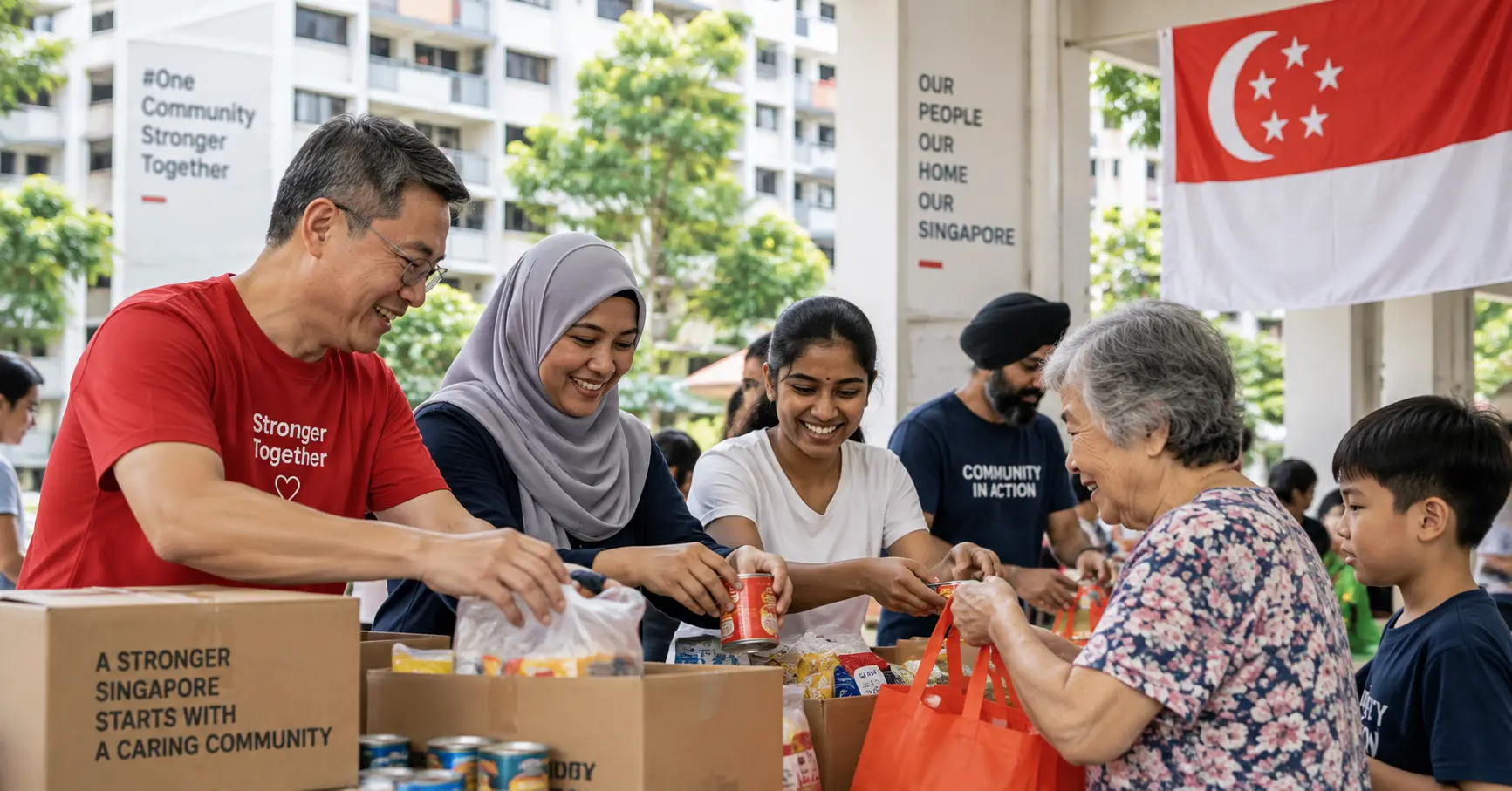
From bustling hawker centers offering authentic ethnic cuisines from multiple cultures to traditional practices, languages, and customs actively preserved in residential neighborhoods, heritage remains a living, breathing force. The kampong spirit of community care and mutual support rooted in Singapore’s village past continues to influence how neighbors interact in modern HDB estates, creating the unique social cohesion that defines Singaporean life today.

Heritage-Conscious Urban Planning: Preserving the Past While Building the Future 

Despite Singapore’s reputation for rapid modernization and urban development, the nation places exceptional emphasis on preserving historical sites and thoughtfully integrating them into contemporary city planning. This heritage-conscious approach shapes how modern Singapore living spaces are designed and experienced.

Historic districts like Chinatown, Little India, Kampong Glam, and Katong showcase seamless integration of old and new, where meticulously conserved heritage buildings stand proudly alongside gleaming modern skyscrapers. The Urban Redevelopment Authority’s (URA) extensive conservation efforts ensure these culturally significant areas retain their authentic charm and character, offering residents and visitors meaningful glimpses into Singapore’s rich past while serving as vibrant, functional neighborhoods today.

This intentional preservation creates unique living environments where heritage enhances rather than constrains modern urban life, contributing to Singapore’s distinctive character among global cities.

Architecture and Design: Traditional Influences in Modern Spaces 

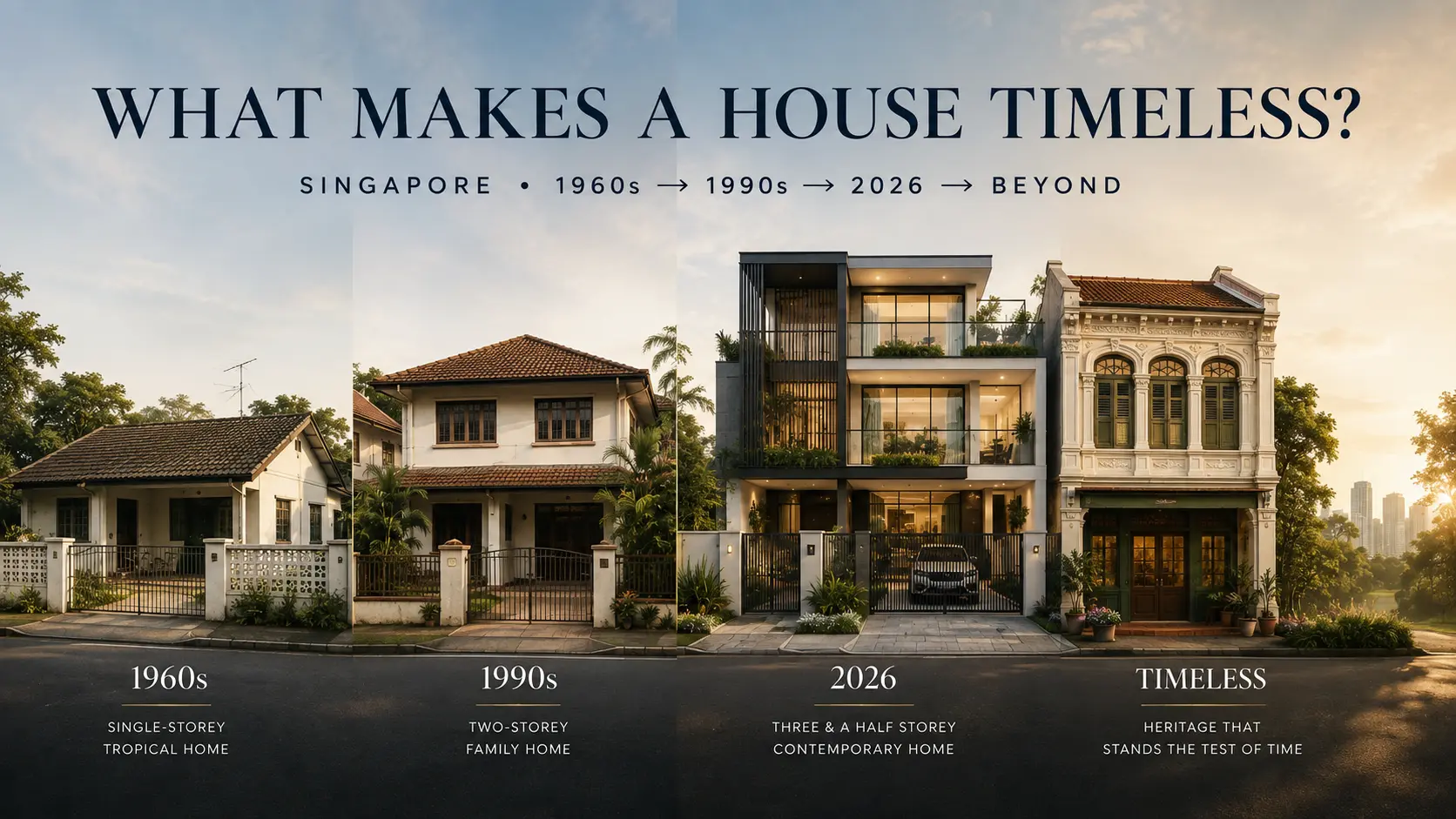
Modern Singaporean architecture frequently draws inspiration from traditional architectural motifs, styles, and cultural values, demonstrating how heritage actively shapes contemporary design philosophy. Public housing developments by the Housing & Development Board (HDB) home to over 80% of Singapore’s population—exemplify this fusion approach.

While highly functional, innovative, and modern, HDB estates intentionally incorporate communal void decks, community gardens, and shared gathering spaces that foster neighborly interactions reminiscent of earlier kampong (village) life. This design philosophy keeps the heritage value of community connection alive in high-rise living.

Iconic Peranakan shophouses with their intricate tile work, ornate facades, and vibrant colors are cherished heritage symbols that continue to influence contemporary residential and commercial design aesthetics. Modern architects regularly incorporate traditional elements—decorative screens (jali work), five-foot ways (covered walkways), courtyards, and natural ventilation principles creating spaces that honor Singapore’s architectural heritage while meeting modern living needs.

Culinary Heritage: How Food Traditions Shape Modern Singapore Living

Food represents perhaps the most tangible, daily way heritage shapes modern living in Singapore. The city-state’s legendary hawker culture recognized by UNESCO as Intangible Cultural Heritage testifies to the preservation and vibrant celebration of culinary traditions passed down through multiple generations.

Hawker centers serve as democratic social spaces where Singaporeans from all backgrounds gather, embodying the multicultural heritage that defines national identity. Traditional dishes like chicken rice, laksa, char kway teow, roti prata, and satay aren’t museum pieces but living heritage enjoyed daily by millions.

Modern chefs, food entrepreneurs, and home cooks continue reinventing traditional recipes, thoughtfully blending heritage recipes with contemporary techniques, innovative presentations, and fusion concepts. This dynamic evolution keeps culinary heritage alive, relevant, and central to Singapore’s modern lifestyle and international reputation as a global food capital.

Festivals and Community Life: Heritage as Social Glue 

Cultural and religious festivals—Chinese New Year, Hari Raya Puasa, Deepavali, Thaipusam, Christmas, and Vesak Day are far more than public holidays in modern Singapore. They represent vital expressions of living heritage that actively foster community spirit, social cohesion, and cultural continuity across generations.

These celebrations bring diverse communities together in shared public spaces, markets, and neighborhoods, reinforcing collective Singaporean identity while educating younger generations about their cultural roots and values. The government’s support for multicultural celebrations through public decorations, cultural performances, and community events demonstrates how heritage preservation is institutionalized in modern Singapore living.

This ongoing celebration of diverse heritage traditions contributes to the religious and racial harmony that distinguishes Singapore, creating a modern urban environment where multiple traditions coexist peacefully and enrich communal life.

Heritage as Innovation Catalyst: Tradition Inspiring Progress 

Remarkably, heritage in Singapore doesn’t hinder technological progress or economic development rather, it actively inspires creative innovation. The deep respect for cultural tradition coexists productively with an ambitious drive for modernization, generating unique solutions that honor the past while confidently embracing the future.

This dynamic interplay between heritage preservation and innovation is evident across multiple sectors: fashion designers incorporating traditional batik patterns and peranakan motifs into contemporary collections, artists blending traditional crafts with digital media, sustainable urban development projects adapting traditional passive cooling and natural ventilation principles, and social enterprises revitalizing heritage trades and crafts for modern markets.

Singapore’s ability to leverage heritage as an innovation asset rather than viewing it as a constraint represents a sophisticated understanding of how cultural identity strengthens rather than limits national competitiveness in the global economy.

Heritage Neighborhoods: Where History Meets Modern Living 

Singapore’s heritage conservation districts aren’t static museums but vibrant, evolving neighborhoods where history actively shapes contemporary urban living experiences:

Chinatown blends traditional medicine halls, temples, and clan associations with trendy cafes, boutique hotels, and modern workspaces, creating a dynamic environment where heritage and innovation coexist.

Little India maintains its authentic character through traditional shops, temples, and cultural institutions while adapting to modern commercial needs and serving as a cultural anchor for Singapore’s Indian community.

Kampong Glam preserves Malay-Muslim heritage through the iconic Sultan Mosque, traditional crafts, and cultural businesses while evolving into a creative hub for independent designers, artists, and entrepreneurs.

These heritage districts demonstrate how thoughtful conservation creates unique value in modern Singapore living offering distinctive experiences, cultural authenticity, and community identity that generic modern developments cannot replicate.

Key Insights: Heritage’s Role in Modern Singapore Living 

Cultural diversity enriches daily life: Singapore’s multicultural heritage creates unique living experiences found nowhere else, from food diversity to multilingual environments.

Urban planning honors the past: Conservation districts and heritage integration demonstrate that modernization and preservation aren’t opposites but complementary strategies.

Architecture bridges generations: Traditional design principles and motifs continue influencing modern buildings, creating spaces that feel distinctively Singaporean.

Food connects communities: Hawker culture and culinary traditions serve as daily reminders of heritage’s living presence in modern life.

Festivals strengthen social bonds: Regular cultural celebrations maintain community cohesion and educate younger generations about their heritage.

Heritage drives innovation: Respect for tradition inspires creative solutions across fashion, arts, urban development, and social enterprise sectors.

Identity anchors progress: Cultural heritage provides the stable foundation enabling Singapore to modernize rapidly while maintaining distinctive character.

Community spirit endures: The kampong values of mutual care and neighborliness persist in modern HDB living, shaped by historical community traditions.

Core insight: Heritage is the cornerstone upon which modern Singapore is built. It profoundly enriches the city’s character, thoughtfully informs development decisions, and nurtures deep belonging among its diverse people. By actively valuing and creatively integrating cultural roots into contemporary life, Singapore continues thriving as a vibrant, inclusive, and forward-thinking nation. Understanding this essential connection between heritage and modern living not only enhances appreciation of Singapore’s unique model but also offers valuable global insights into how tradition can harmoniously coexist with rapid progress, creating urban environments that are simultaneously cutting-edge and culturally grounded.


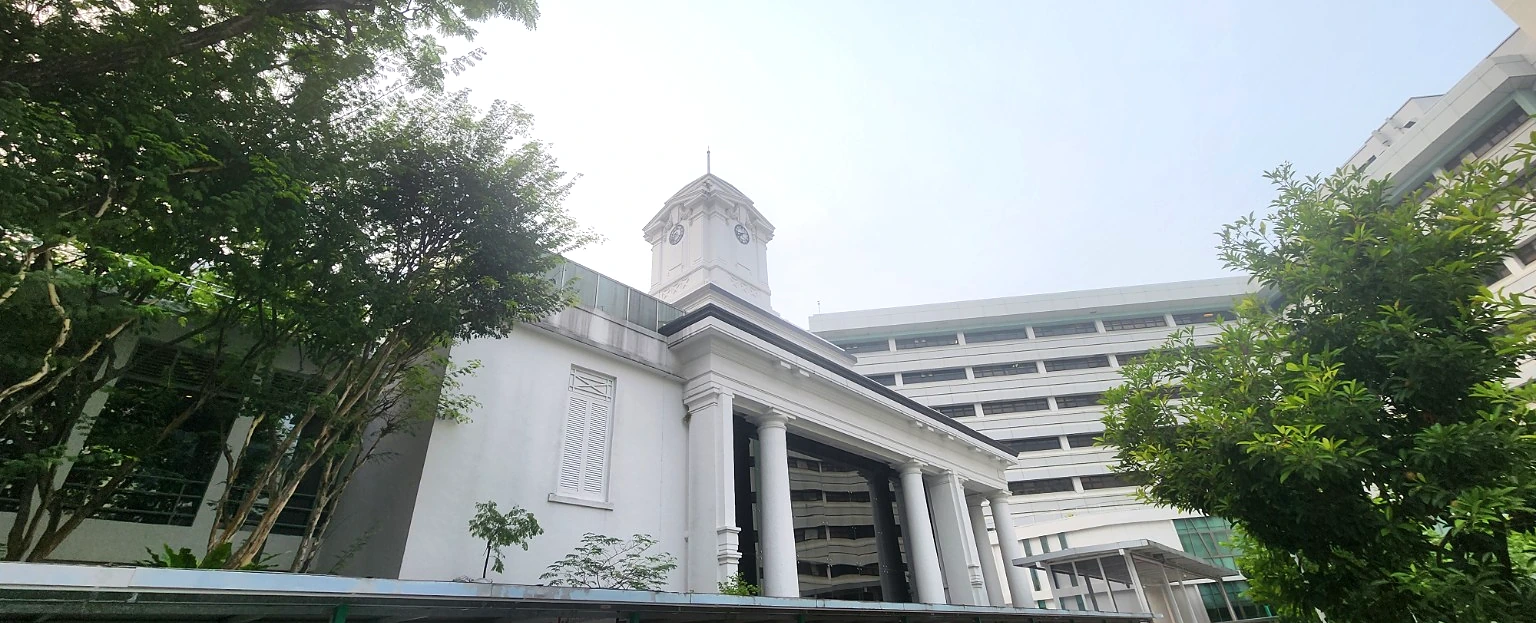
Victoria Theatre and Victoria Concert Hall in Singapore

Victoria Theatre and Victoria Concert Hall — one of Singapore’s iconic heritage landmarks.

Singapore Marina Bay skyline at sunset featuring Marina Bay Sands and ArtScience Museum

Wrapping Up with Key Insights: Heritage as Singapore’s Living Foundation

Core takeaway: Singapore thrives precisely because it treasures its rich cultural heritage while boldly innovating for the future creating a dynamic society that is simultaneously vibrant, genuinely inclusive, deeply rooted in tradition, and confidently future-ready. This unique balance between honoring the past and embracing progress defines the Singapore model of modern urban living.

Heritage shapes collective identity: Singapore’s multicultural roots Chinese, Malay, Indian, and Eurasian communities remain deeply woven into the fabric of daily life, influencing everything from the food we eat and languages we speak to festivals we celebrate and values we uphold across generations.

Masterful balance of old and new: The thoughtful conservation of historical sites, heritage districts, and traditional architecture alongside cutting-edge modern skyscrapers reflects profound respect for the past while confidently embracing technological and economic progress proving that preservation and development aren’t contradictory but complementary.

Heritage embedded in design and living: From kampong-inspired communal void decks in modern HDB estates to meticulously preserved iconic Peranakan shophouses with their intricate facades, traditional cultural influences and architectural principles continue actively inspiring contemporary urban planning, creating distinctively Singaporean living spaces.

Food as vibrant living heritage: Singapore’s UNESCO-recognized hawker culture and continuously reinvented traditional dishes keep precious culinary traditions alive and relevant, authentically bridging generations while adapting to modern tastes—making heritage something enjoyed daily, not merely preserved in museums.

Festivals as essential community glue: Major cultural celebrations like Chinese New Year, Hari Raya Puasa, Deepavali, and Thaipusam do more than mark calendars they actively sustain cultural continuity, educate younger generations about their roots, strengthen social cohesion, and reinforce Singapore’s unique multicultural unity.

Tradition actively fuels innovation: Heritage in Singapore is not a constraint or barrier to progress but rather a powerful catalyst for creativity and innovation across diverse sectors including arts, fashion design, sustainable urban development, social enterprises, and cultural tourism—demonstrating how deep cultural roots enable rather than limit forward momentum.

Preservation creates competitive advantage: Singapore’s commitment to integrating heritage into modern living creates unique value that generic modernization cannot replicate distinctive neighborhoods, authentic cultural experiences, strong community identity, and social cohesion that enhance quality of life and global competitiveness.

Final reflection: Understanding how heritage shapes modern Singapore living reveals an essential truth: the most successful cities don’t abandon their past to build their future—they skillfully weave cultural memory, traditional values, and historical identity into the fabric of contemporary life. Singapore’s ability to honor its diverse heritage while pioneering innovation offers a valuable blueprint for urban development worldwide, proving that tradition and progress, when thoughtfully integrated, create communities that are not only economically successful but also culturally rich, socially cohesive, and deeply meaningful places to call home.