Walk through Chinatown before the shutters rise and the city speaks in layers. A delivery rider passes beneath conserved shophouses. A regular orders breakfast without looking at the menu. Incense drifts across a street framed by offices, homes, temples and shops. Nothing here is frozen in time. The past is working inside the present.
That is the real power of heritage in Singapore. It is not limited to monuments, museums or nostalgia. It lives in ordinary routines: sharing a table at a hawker centre, greeting a neighbour at the lift lobby, walking beneath mature trees, remembering a family recipe, or recognising a streetscape before seeing its signboard.
Yet memory can fade quietly. A familiar shop disappears. A neighbour moves. A dialect is spoken less often. A place remains physically intact but loses the people and practices that once gave it meaning. The issue is therefore not simply what Singapore preserves; it is how we keep heritage useful, shared and alive as the country changes.
How can Singapore continue renewing itself without making daily life feel anonymous, transactional or disconnected from the people who came before us?
Chapter 01
The places that make progress feel human
Singapore is often described through visible achievements: housing, transport, safety, digital services and a skyline that keeps changing. These matter. But a highly functional city can still feel emotionally thin if people no longer recognise themselves in it.
Heritage gives places a second layer of value. Chinatown, Kampong Glam, Little India and Boat Quay are not meaningful only because of architecture. Their streets tell stories of migration, enterprise, worship, adaptation and coexistence. The buildings provide a frame; people, practices and memory provide the life.
Cultural diversity works in the same way. It is experienced not only during festivals, but through everyday language, food, family customs, places of worship and the unspoken etiquette of sharing a small island. Different communities need not become identical to belong to one national story.
Familiarity disappears
Places can remain efficient while losing the stories and relationships that make them recognisable.
Memory creates belonging
A remembered place helps residents connect personal experience with a wider Singapore story.
Participation keeps it alive
Heritage lasts when people continue visiting, learning, documenting, practising and sharing it.
A place becomes meaningful when people can see more than what stands there today—they can sense what has happened there, and why it still matters.
Chapter 02
Conservation is a planning choice, not an escape into nostalgia
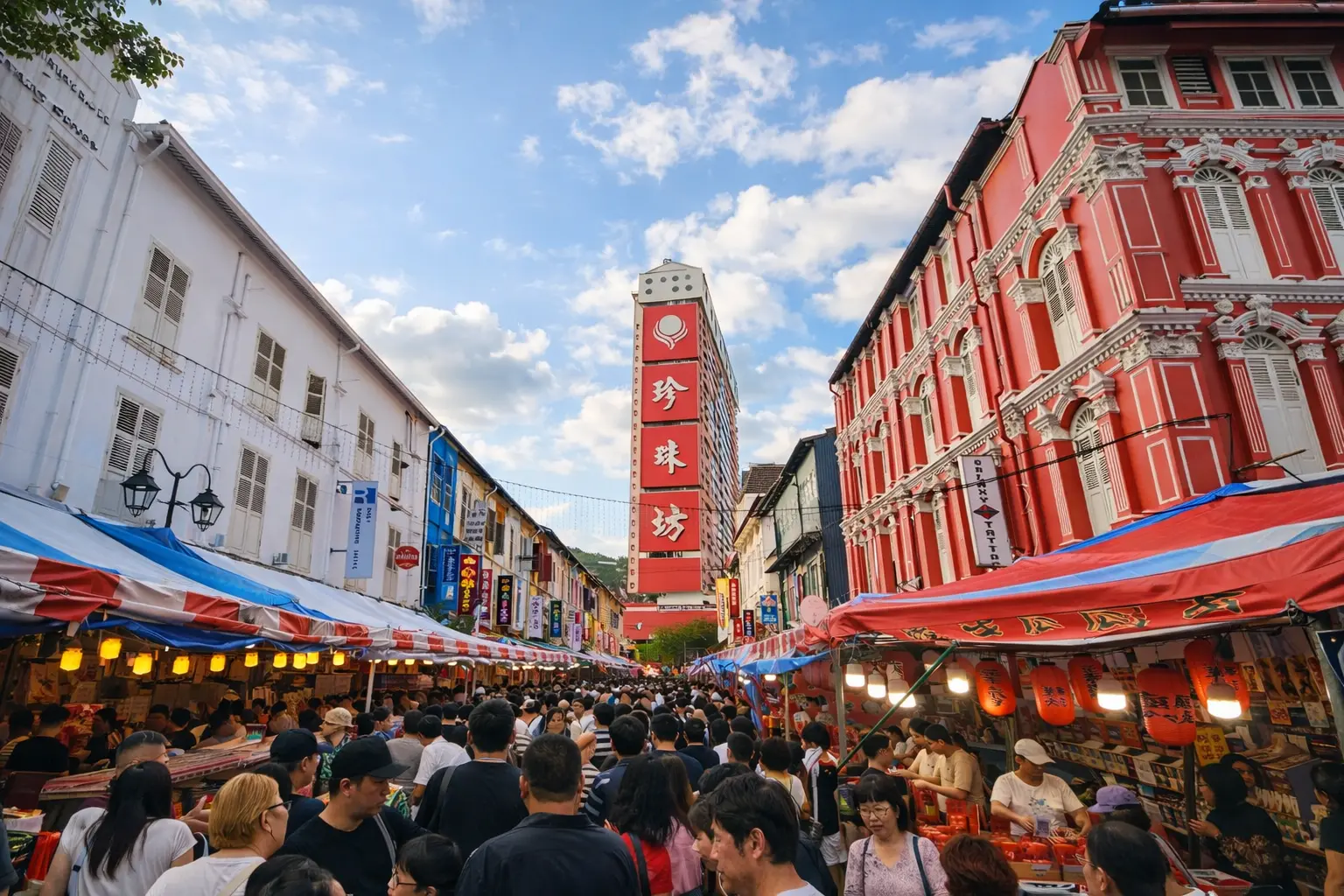
Singapore's conservation work sits inside its broader development story. The Urban Redevelopment Authority states that conservation status has been conferred on almost 100 areas involving more than 7,000 buildings since 1989. Historic districts include Boat Quay, Chinatown, Kampong Glam and Little India.
The value is not simply visual. Conserved buildings can continue as homes, shops, galleries, restaurants, workplaces and community spaces. Thoughtful adaptation allows a city to meet present needs while retaining distinctiveness. This is where heritage and modernity stop being opposites.
There is still a human challenge. A restored facade alone does not guarantee cultural continuity. If traditional trades, affordable gathering places and community knowledge disappear, the physical shell may survive while the lived story weakens. Good conservation therefore involves both place and participation.
When judging renewal, ask three questions: What practical need is being solved? What identity could be lost? What can be adapted so the place remains useful to the next generation?
Chapter 03
HDB heartlands show that proximity is not the same as community
For many Singaporeans, heritage is not found first in a historic district. It begins at home: the sound of a school bell, the route to the market, a favourite stall, a void deck gathering, or a neighbour who notices when an older resident has not been seen for several days.
HDB towns bring homes, transport, schools, parks, shops and shared facilities into everyday reach. But physical proximity does not automatically create trust. Residents can live metres apart and still remain strangers. The modern kampong spirit depends on repeated acts of care—greetings, small help, shared responsibility and opportunities to take part.
This becomes more important as households and neighbourhoods age. Familiar routes, dependable neighbours and accessible common spaces can support confidence and connection. Community cannot replace formal care, but it can reduce the sense that a person or family must face every change alone.
See the quiet changes
Isolation, mobility difficulty and caregiver strain often appear gradually before they become urgent.
Create repeated contact
Trust grows through ordinary encounters, familiar faces and spaces where participation feels natural.
Link care to resources
Neighbourly concern works best alongside families, community organisations and official services.
HDB's community programmes highlight residents and groups working to strengthen neighbourly ties. Readers can explore HDB Community Day and the Good Neighbours Movement for official examples and resources.
Chapter 04
Hawker culture is heritage practised in public
At a hawker centre, heritage is not kept behind glass. It is ordered, cooked, shared, debated and remembered. A dish may carry techniques from one place, ingredients adapted in another, and a flavour that now feels unmistakably Singaporean.
In December 2020, Hawker Culture in Singapore was inscribed on UNESCO's Representative List of the Intangible Cultural Heritage of Humanity. The recognition covers more than recipes. It acknowledges community dining and culinary practices within a multicultural urban setting. The National Heritage Board and UNESCO provide the official background.
The deeper story is continuity. Skills must be learned. Stalls need viable successors. Customers must value not only low prices but also craft, labour and cultural meaning. Living heritage survives because people keep practising it under new conditions—not because change stops.
The next time you return to a familiar stall, ask what has stayed the same, what has become harder, and who is learning the craft. Heritage becomes visible when we pay attention to the person behind the plate.
Chapter 05
National memory also lives in civic places and nature
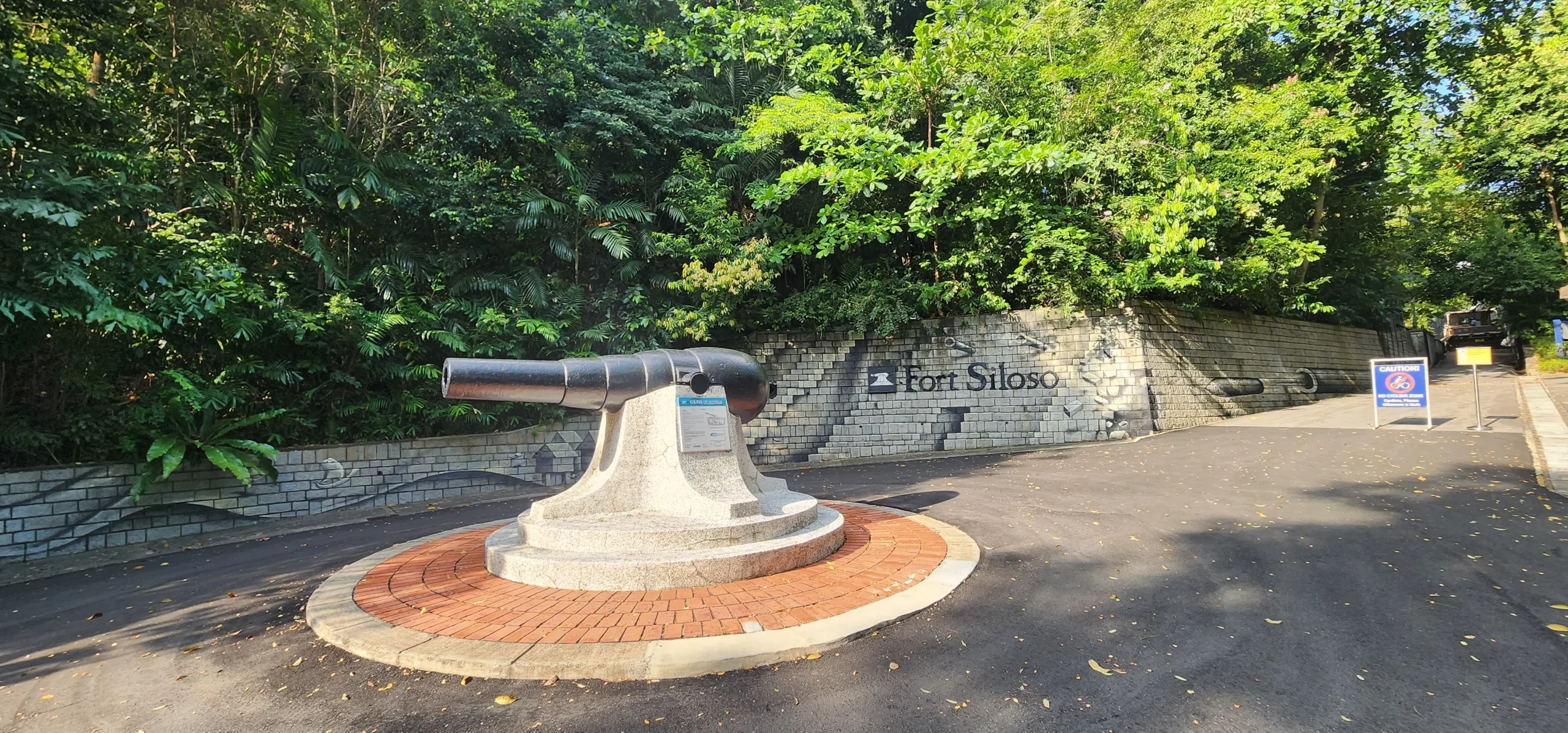
Some places help a nation remember moments larger than any one family. Fort Siloso connects present-day peace with the vulnerability and sacrifice of wartime. It was gazetted as Singapore's 74th National Monument in 2022. Its value is not to glorify conflict, but to make security, resilience and remembrance more tangible.
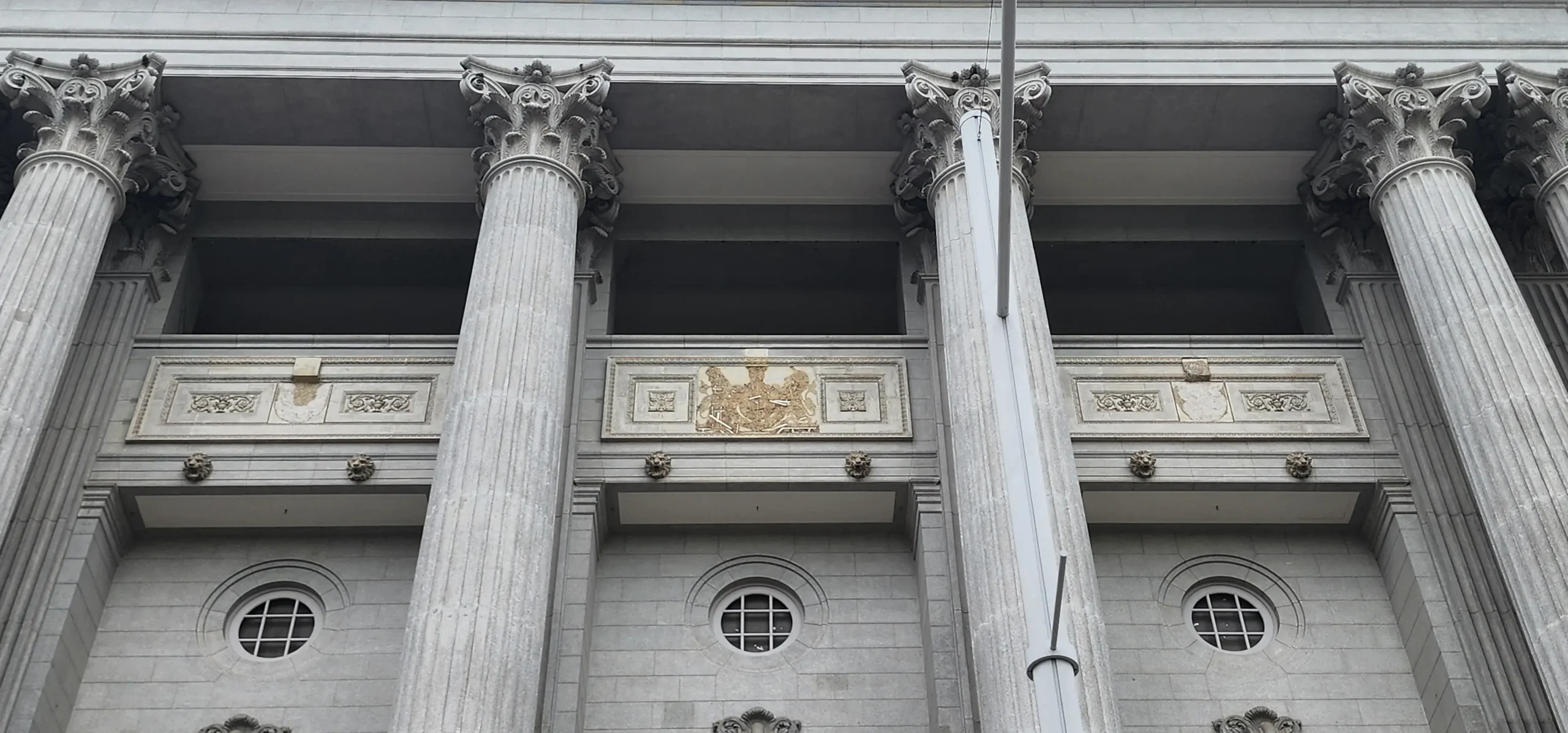
National Gallery Singapore offers a different example. The former City Hall and Supreme Court buildings witnessed major civic moments before being transformed into a public home for art. Their continued use shows that adaptation can respect architectural dignity while opening an old institution to new generations.
Fort Siloso
A preserved coastal fort that turns wartime history into a physical encounter with the fragility of peace.
National Gallery Singapore
Two former civic buildings renewed as a cultural institution while retaining their historical character.
Nature carries memory too. The Singapore Botanic Gardens, established in 1859 and now a UNESCO World Heritage Site, connects scientific work, recreation, biodiversity and national identity. Within it, the Learning Forest brings visitors close to freshwater wetland and lowland forest habitats. Such places support movement and calm, but they also help residents understand that a liveable city depends on relationships with the natural world.

National symbols provide another shared language. The flag, anthem, coat of arms, pledge, national flower and Lion Head Symbol do not erase difference; they help people locate common ideals within it. The National Heritage Board's guide to Singapore's national symbols explains their origins, meanings and appropriate use.
Chapter 06
Heritage is a strategic-living lens
Heritage may sound separate from property, health, ageing or family readiness. In practice, these subjects meet in the same places. A home is influenced by neighbourhood character and continuity. Healthy ageing is easier when familiar routes and green spaces invite movement. Family resilience grows when stories and responsibilities are passed between generations. Community life depends on places where people repeatedly encounter one another.
This is why AndrewKoh.sg treats heritage as part of strategic living. Strategy is not prediction or optimisation for its own sake. It is the habit of seeing connections early enough to make more thoughtful choices—before a place, relationship or source of identity becomes urgent only because it is disappearing.
Look beyond the unit
Neighbourhood identity, daily routes, local amenities and community continuity shape how a home is experienced.
Protect familiar movement
Green spaces and walkable routines connect physical activity with confidence, memory and belonging.
Carry stories forward
Intergenerational knowledge gives younger family members context and older members a valued voice.
Three simple ways to make heritage active
- Return with attention. Revisit a familiar district, market or park and notice what has changed—and what still gives the place its character.
- Ask before the story is lost. Record a family memory, recipe, photograph or neighbourhood story in the speaker's own words and with their permission.
- Use official sources as a starting point. Read the plans, histories and programme pages linked below, then connect them to what you observe in daily life.
Heritage gives progress a human measure. It reminds us that a nation is not built only through systems, buildings and policy. It is also built through memory, shared practice and people who choose to care for places—and for one another.
Singapore's future will keep arriving. The question is whether we meet it with enough understanding to recognise what should change, what should endure and what deserves to be carried forward in a new form.