Singapore heritage · Stewardship · Future generations
Inside GIC’s The Secret Vault: The History We Inherit, the Future We Protect
GIC’s The Secret Vault exhibition explores Singapore’s financial heritage through historical documents, interactive displays and stories of responsibility passed from one generation to the next.
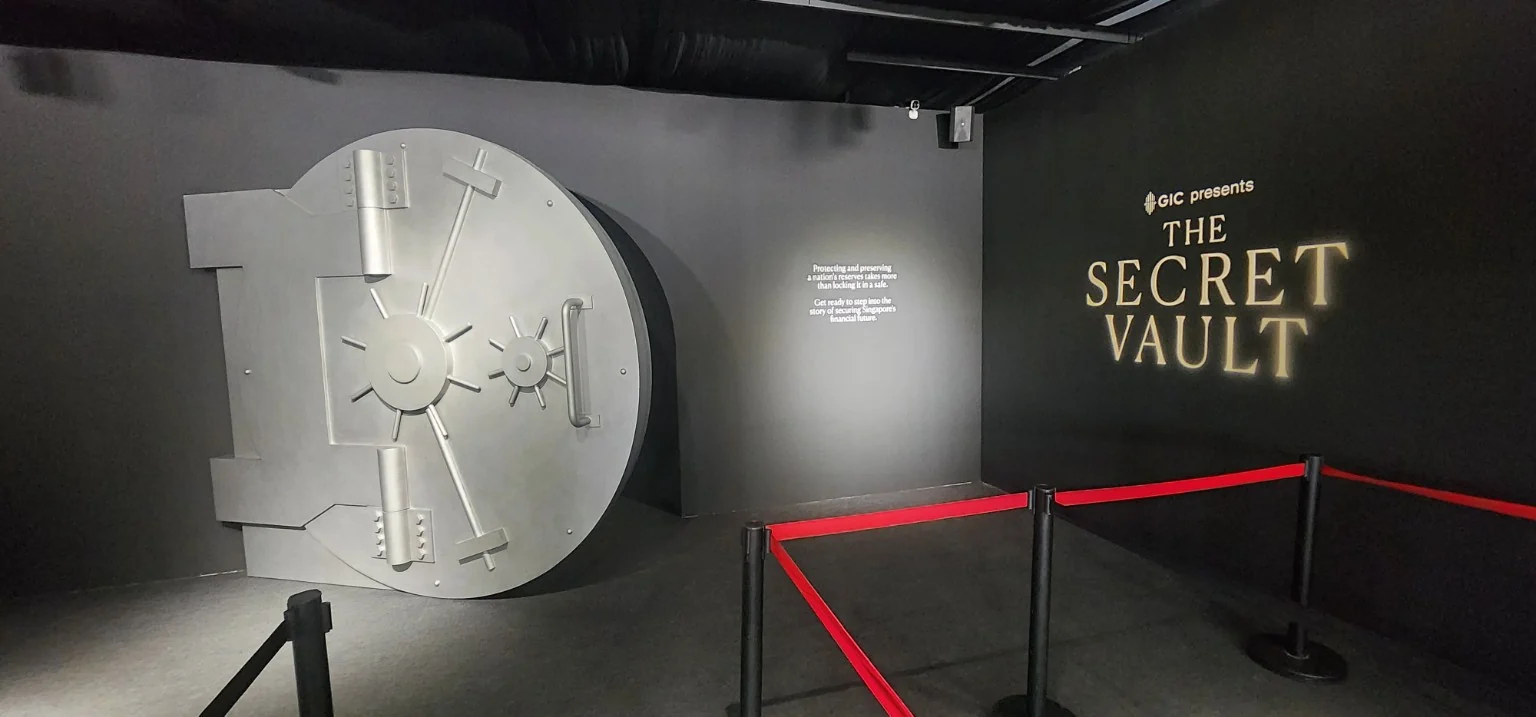
A vault suggests something valuable being kept safe. But safety becomes a more demanding idea when what we are protecting must serve people many years from now.
My visit to GIC’s The Secret Vault brought that question into view through historical documents, a simulated shopping receipt, changing world headlines and a garden that needed tending.
The photographs tell a story about Singapore’s financial development. They also invite a personal reflection: how do we care for what has been entrusted to us?
What we inherit carries a responsibility: to understand its value, care for it thoughtfully and consider those who will depend on it after us.
The purpose behind the timing
GIC The Secret Vault: why share this history now?
The immediate occasion is GIC’s 45th anniversary. Its first public exhibition runs from 10 October to 1 November 2026 at New Bahru School Hall. [1]
GIC’s own explanation also looks ahead. In his opening remarks, CEO Lim Chow Kiat said that the institution needs the next generation of talent. Young Singaporeans must first understand its origins, values and relevance before some might choose to join its mission. [2]
He placed that need against the changes since the pandemic, including wars, advances in artificial intelligence and climate disasters. The exhibition translates aspects of GIC’s work into experiences that visitors can more easily relate to. [2]
My reading is that this anniversary connects institutional memory with renewal. A generation that did not experience Singapore’s early financial vulnerabilities is being invited to understand the reasoning behind an institution it has inherited.
That gives the history a forward-looking purpose. Knowing why something was built can help us understand why its work must continue.
The archive
Heritage includes the decisions we cannot see
We often recognise heritage through buildings, streets and familiar landmarks. Financial heritage is less visible. It lives in decisions, institutions and the ability to respond when circumstances change.
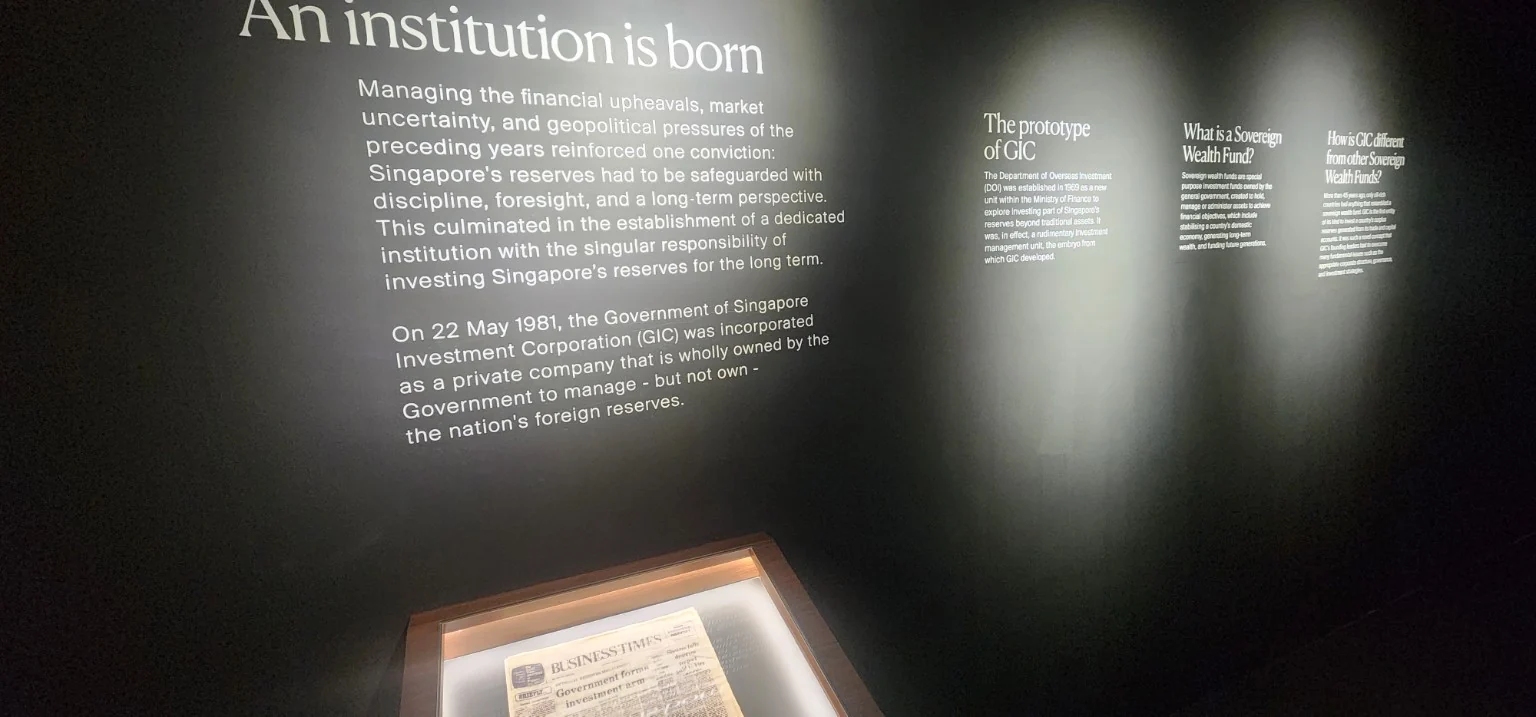
GIC was established in 1981 from an idea advanced by Dr Goh Keng Swee. Its history describes a dedicated institution for long-term reserves investment as an unconventional proposition at the time. [3]
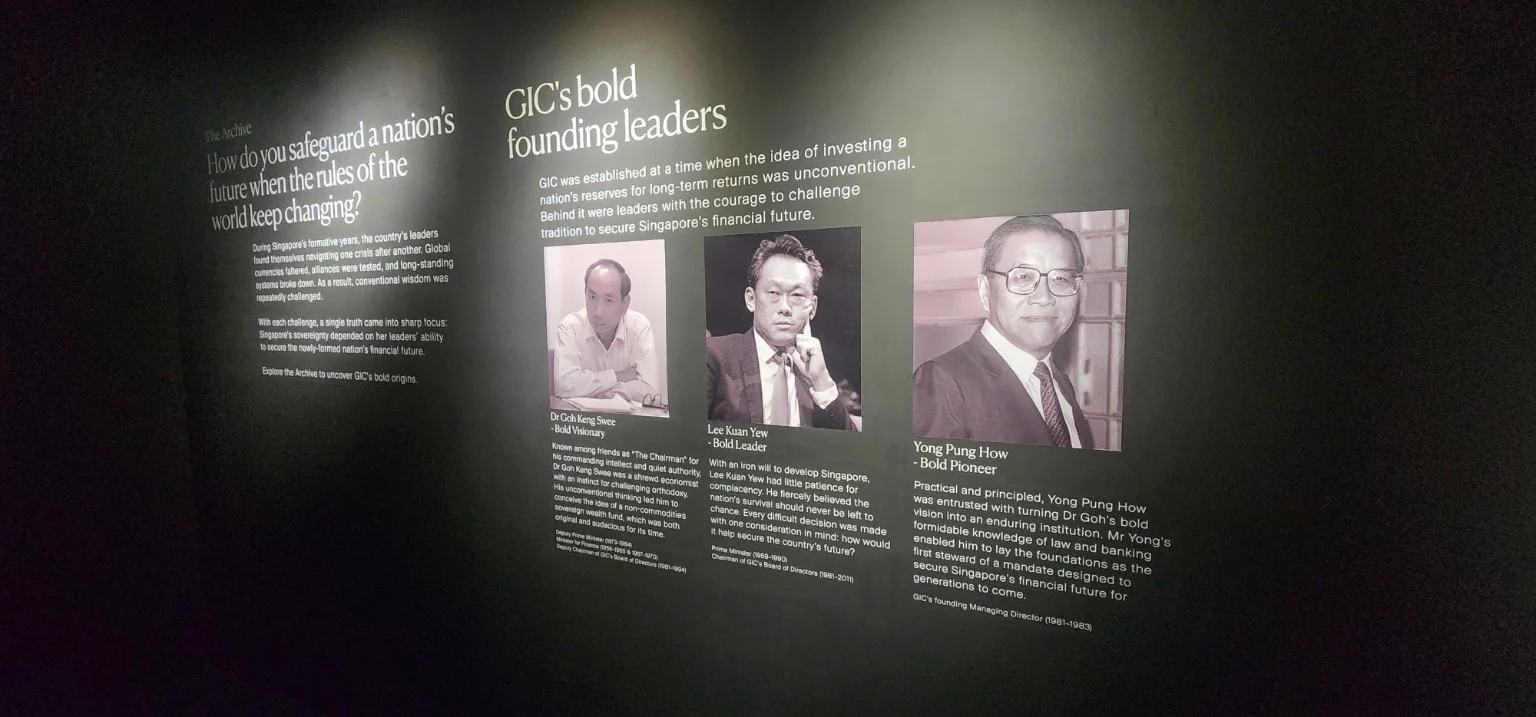
The portraits of Dr Goh, Lee Kuan Yew and Yong Pung How give that story a human scale. They prompt a question about what it takes to turn an idea into an institution that can outlast its founders.
Vision matters. So do the less visible tasks: developing people, establishing processes, weighing risks and sustaining a clear purpose.
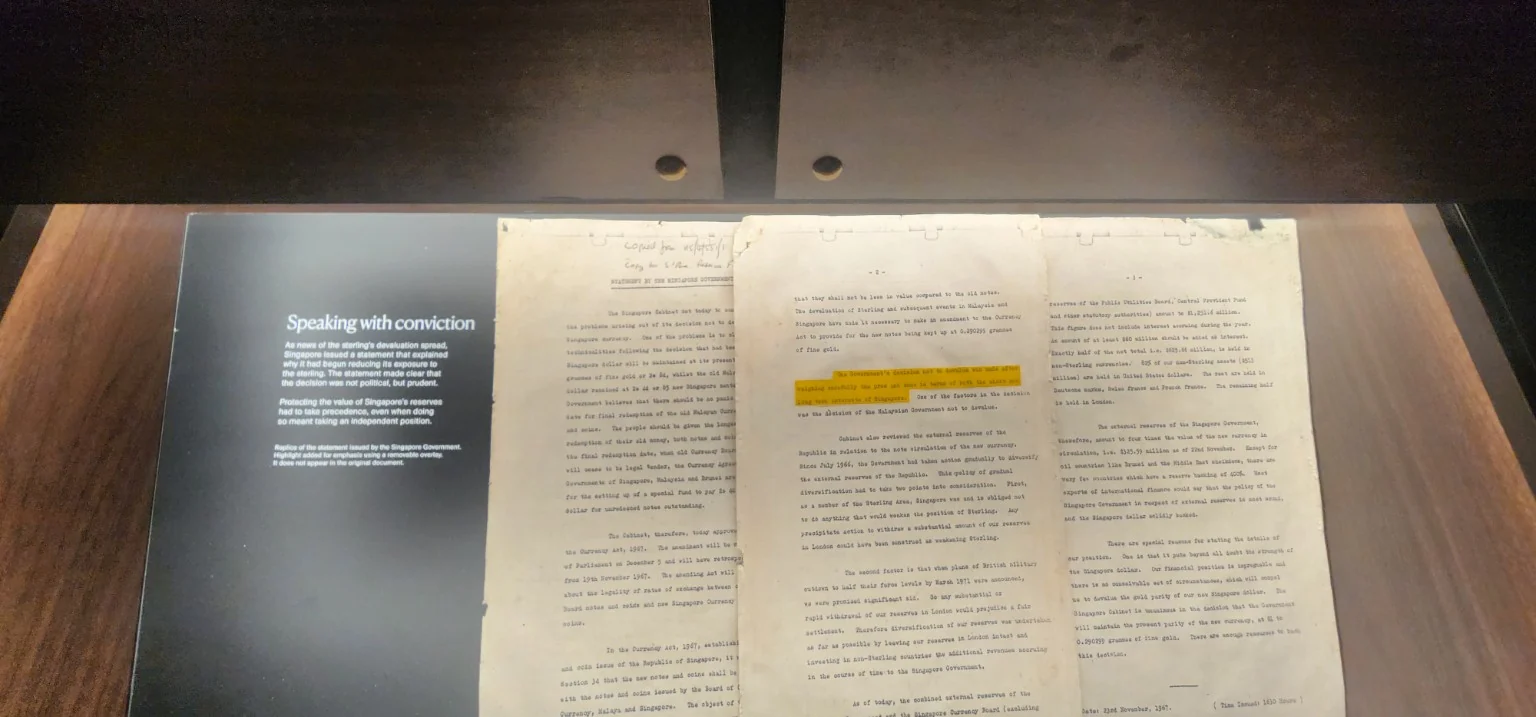
GIC’s Bold Vision history recounts Singapore’s exposure to sterling and exchanges between Dr Goh and British Chancellor Roy Jenkins. It also explains the different demands on reserves needed readily for currency defence and assets that could be invested over a longer horizon. [4]
These episodes help explain why the story begins before GIC itself. The institution emerged from problems that had to be understood and capabilities that had to be developed.
To me, this is where the heritage becomes meaningful. The documents reveal the work behind decisions whose consequences would reach far beyond their own time.
The Global Inflation Hypermart
What will our savings still be able to do?
The shopping simulation makes purchasing power tangible. The exhibition describes a game in which prices rise as time passes. [5]
My screenshot shows white sugar priced at $0.82 for 1981 and $283 for the simulated year 2130. These are figures displayed by the exhibit.
The useful question is what money can buy. A number may remain unchanged while its ability to meet a future need changes considerably.
That gives the idea of preservation a practical meaning. We need to consider what a resource will still be capable of providing when it is needed.
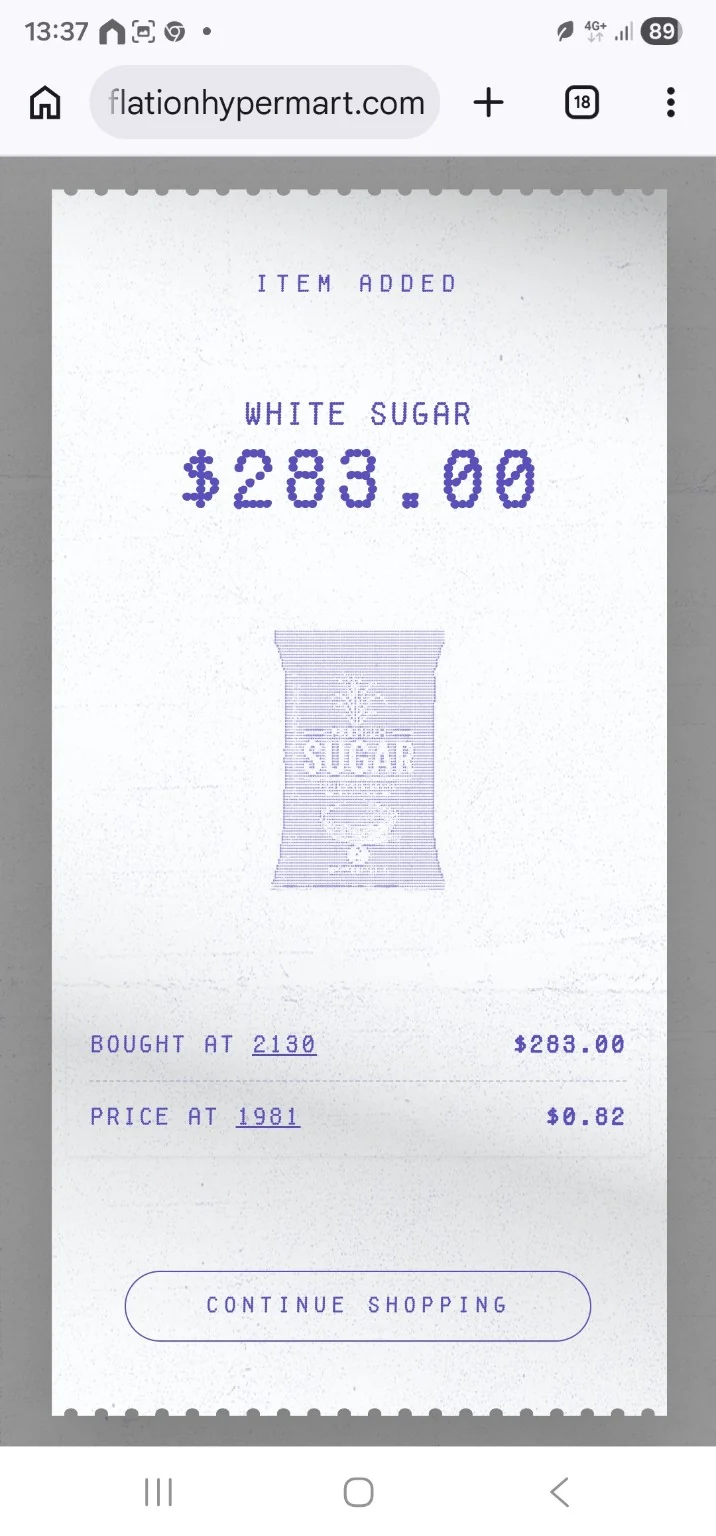
The receipt is presented as part of the exhibition experience, not as an independently verified historical price series or a prediction.
The Weather Room
The world changes; responsibility remains
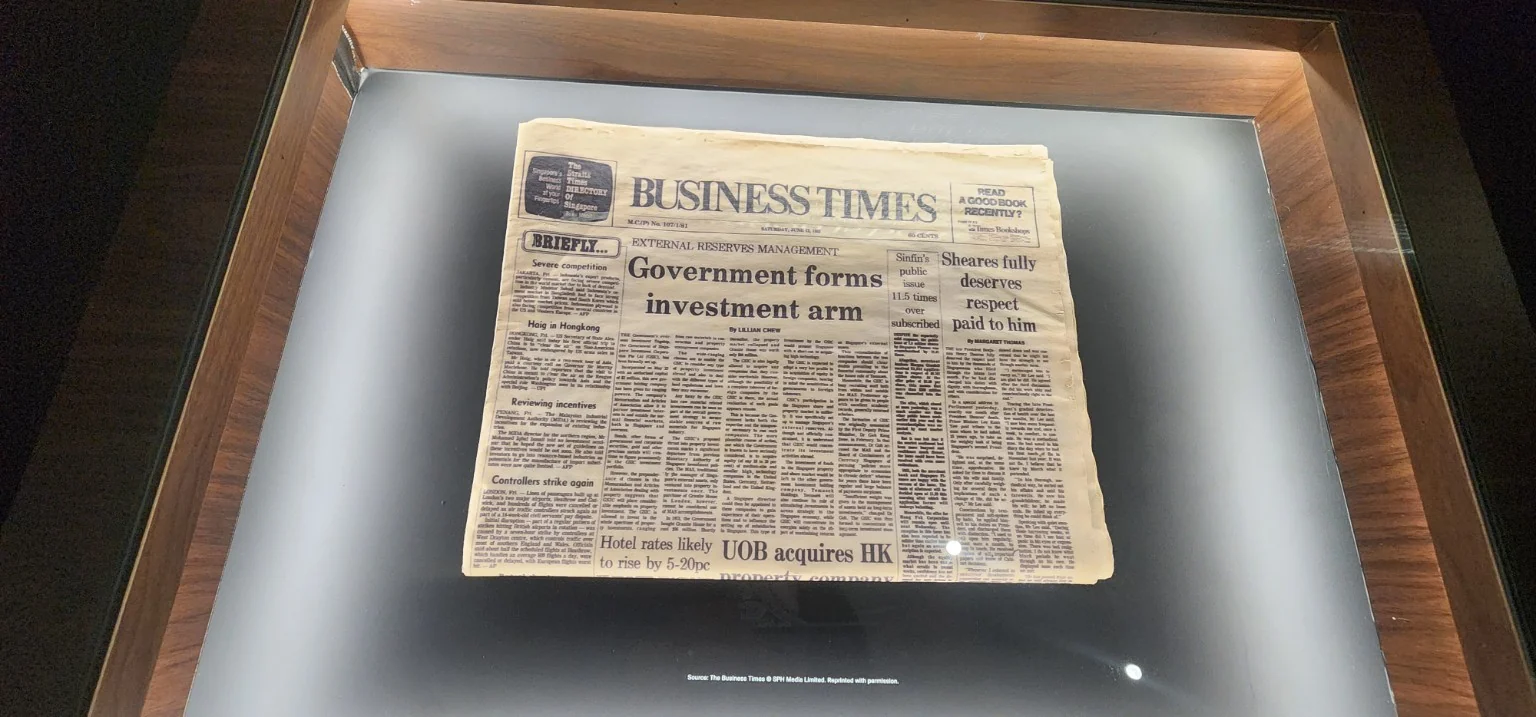
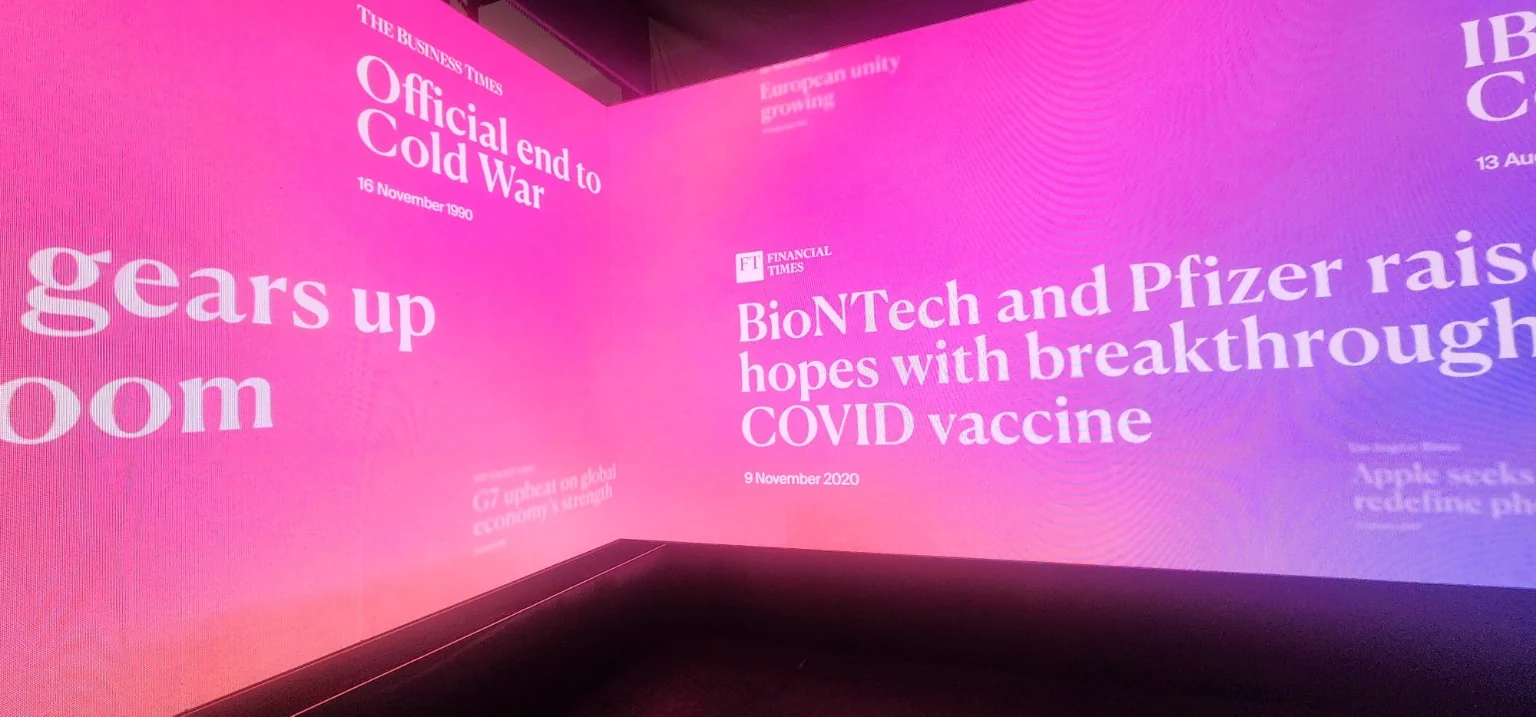
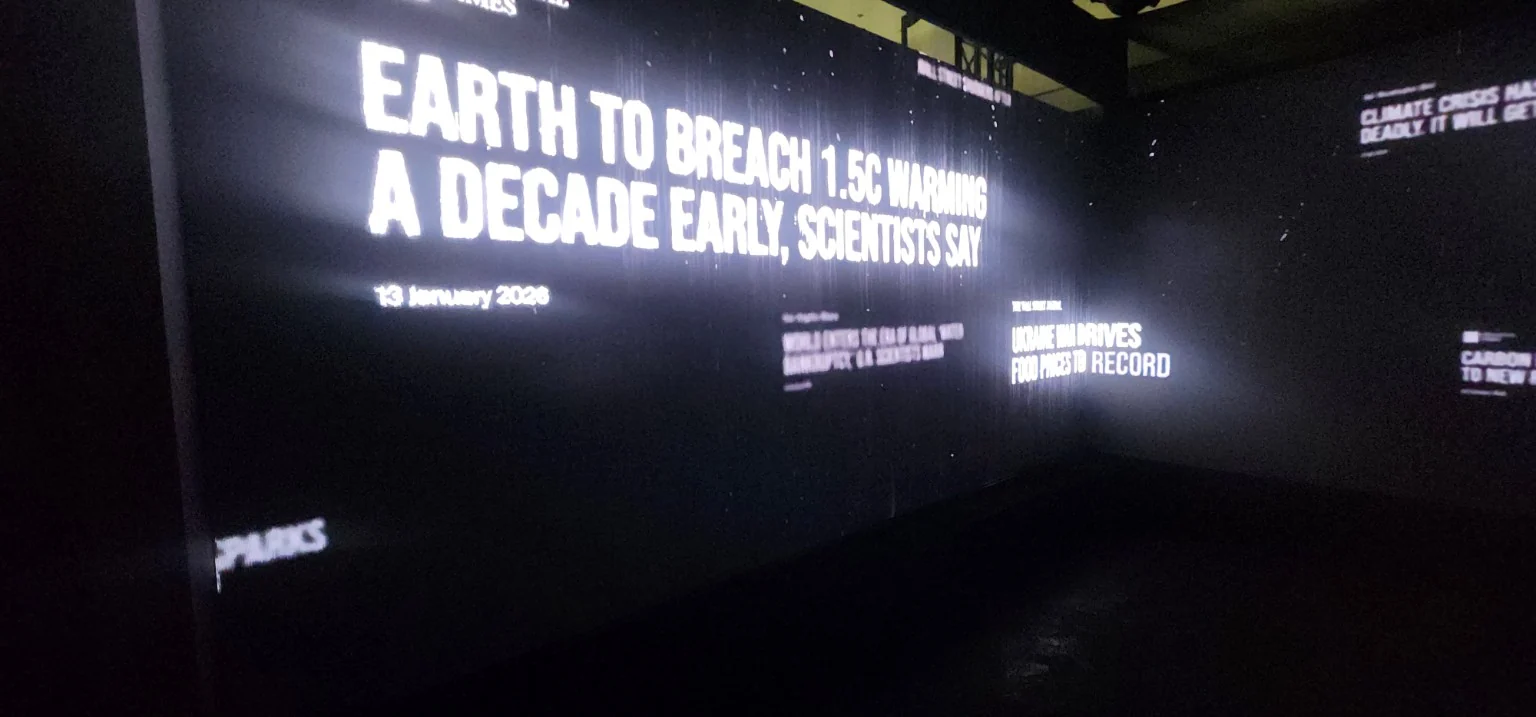
The Weather Room turns global shifts into an immersive experience. [5] The photographed headlines place moments of optimism and disruption within the same space.
Looking back can make history seem orderly. Living through change is usually less predictable. We do not always know which event, discovery or disruption will reshape everyday life.
For me, the lasting lesson is preparedness. A responsible plan needs room for circumstances that do not follow the outcome we hoped for.
The Globe
A small country with a global perspective
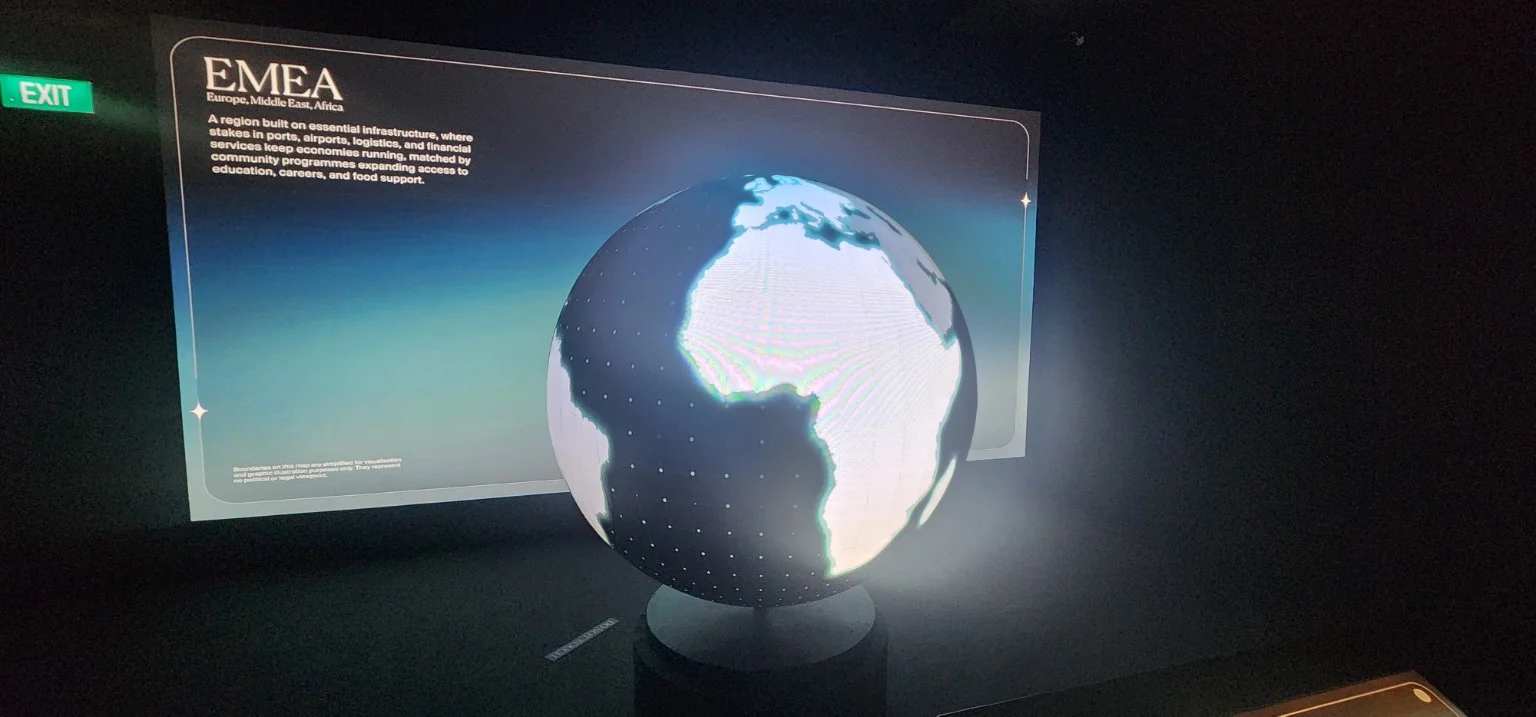
The Globe chamber introduces companies, investments and community activity around the world. [5] Its illuminated globe changes the scale of the story after the archival documents and shopping receipt.
It prompts a wider reflection: Singapore’s future is connected to developments beyond our borders. Understanding our own story also requires curiosity about the world around us.
The Steward’s Gardens
The future needs tending
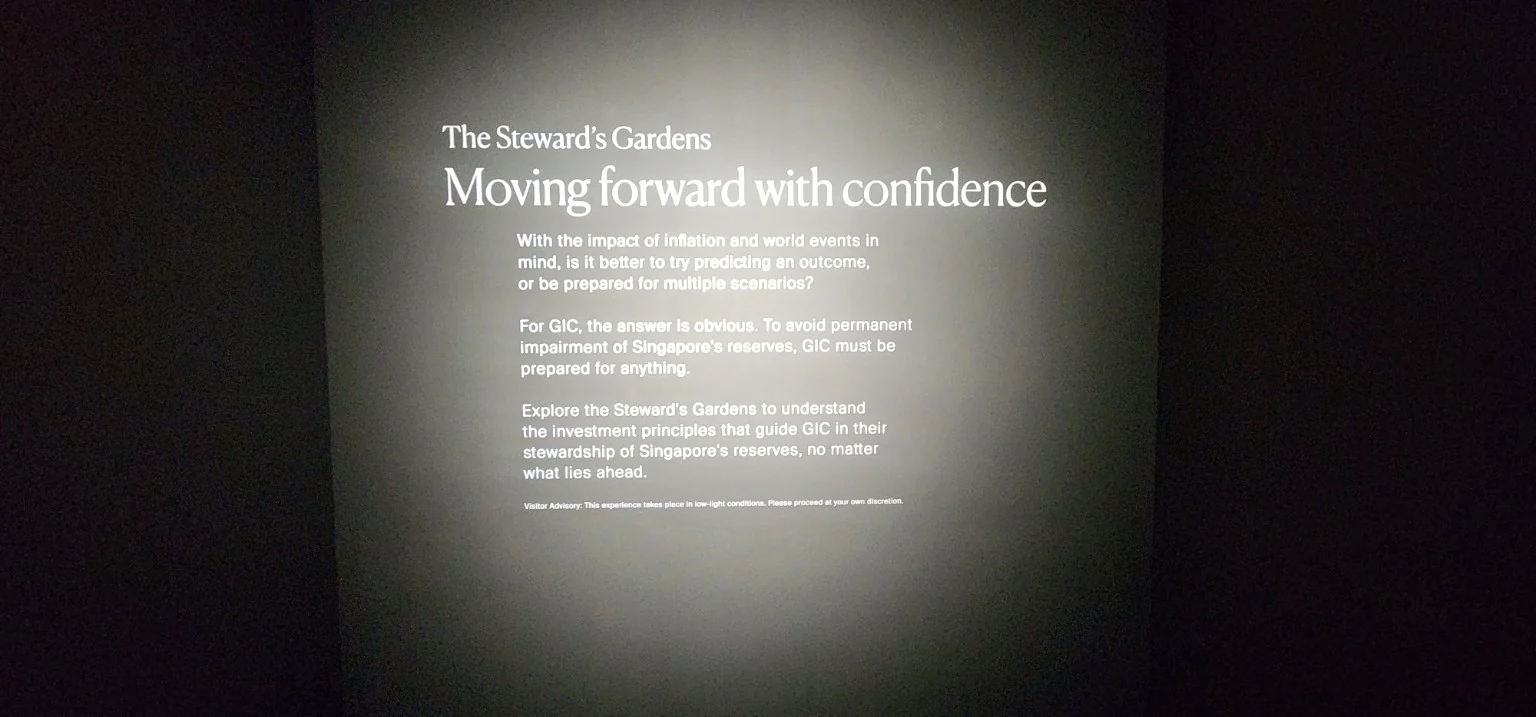
The panel on cultivating long-term value uses gardening to explain care and patience. The interactive flowers give that idea colour and movement.
A garden makes the passage of time visible. Preparing the ground, watching conditions and tending growth are recurring responsibilities. Each season asks for attention.
I see a useful parallel in education and community work. We can create opportunities, build confidence and support progress without expecting every result to appear immediately.
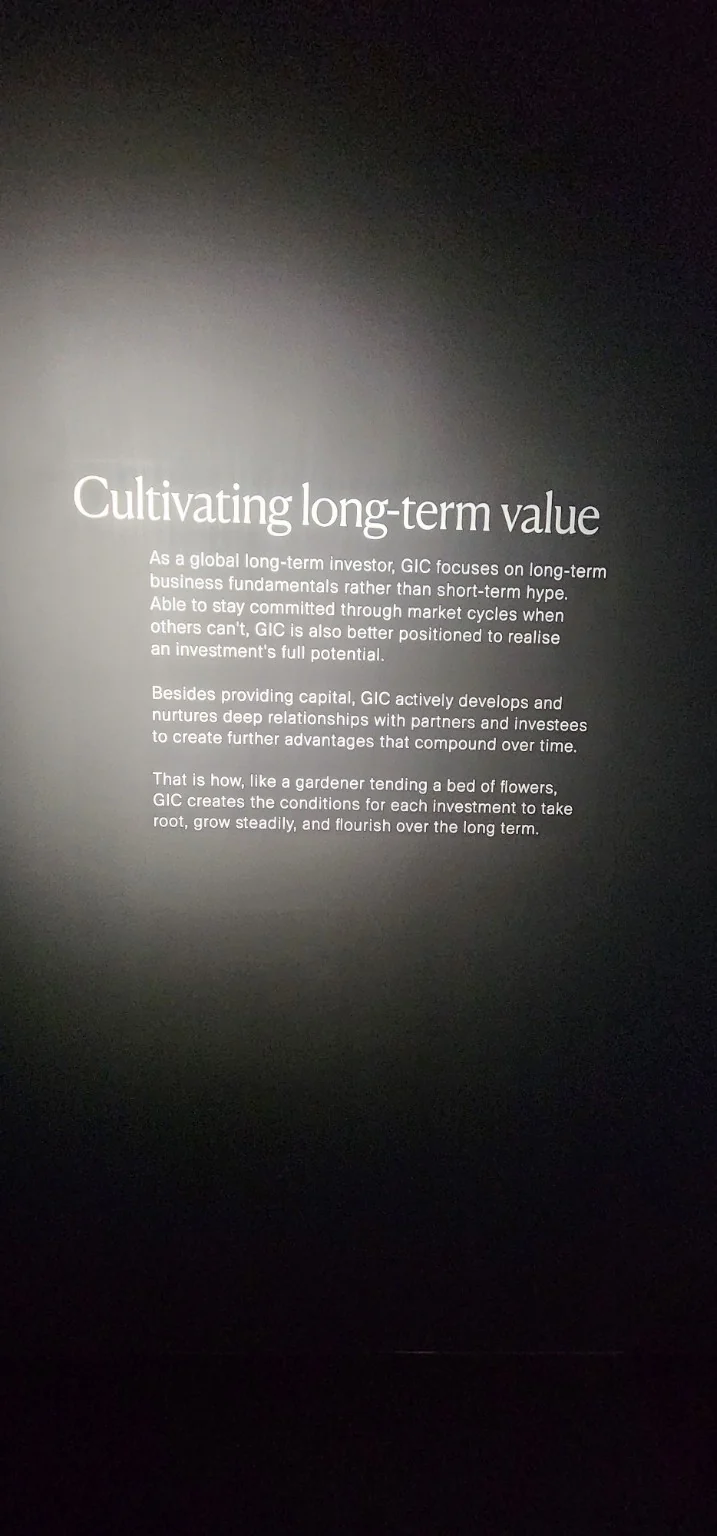
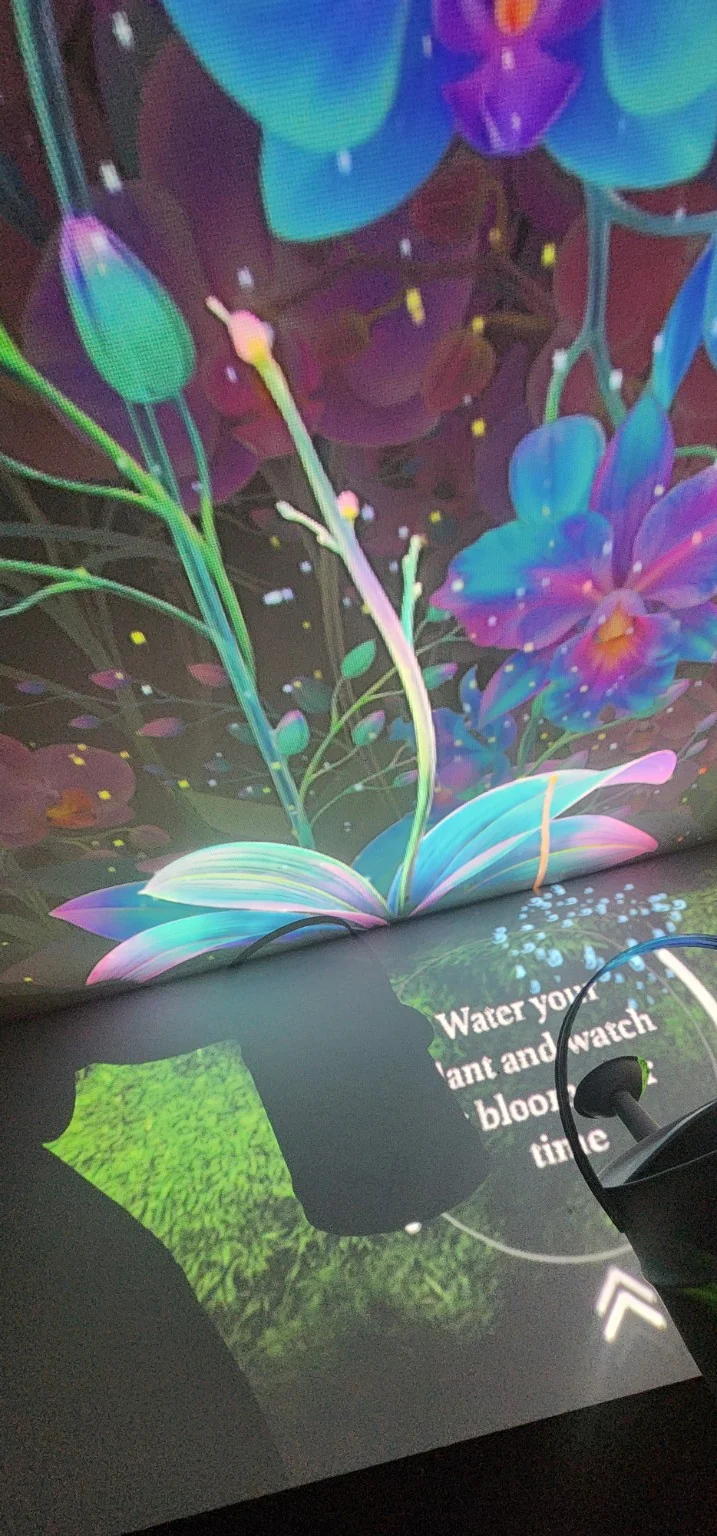
The connection I draw is about patience and responsibility. Families and sovereign investors have different resources, obligations and risks; this reflection is not a suggestion to copy GIC’s investment approach.
Creativity · Opportunity · Contribution
A small souvenir with a bigger meaning
The Chamber Charms pouch adds a human dimension to the visit. Its packaging identifies the connection between GIC and ART:DIS Studio and describes support for artists with disabilities.
GIC’s partnership page explains that ART:DIS Studio connects artists with businesses seeking creative services. Opportunities include paid commissions and supported employment, with coaching for merchandise production. GIC employees also volunteer with the initiative. [6]
ART:DIS describes its wider purpose through creative development and opportunities for persons with disabilities. [7]

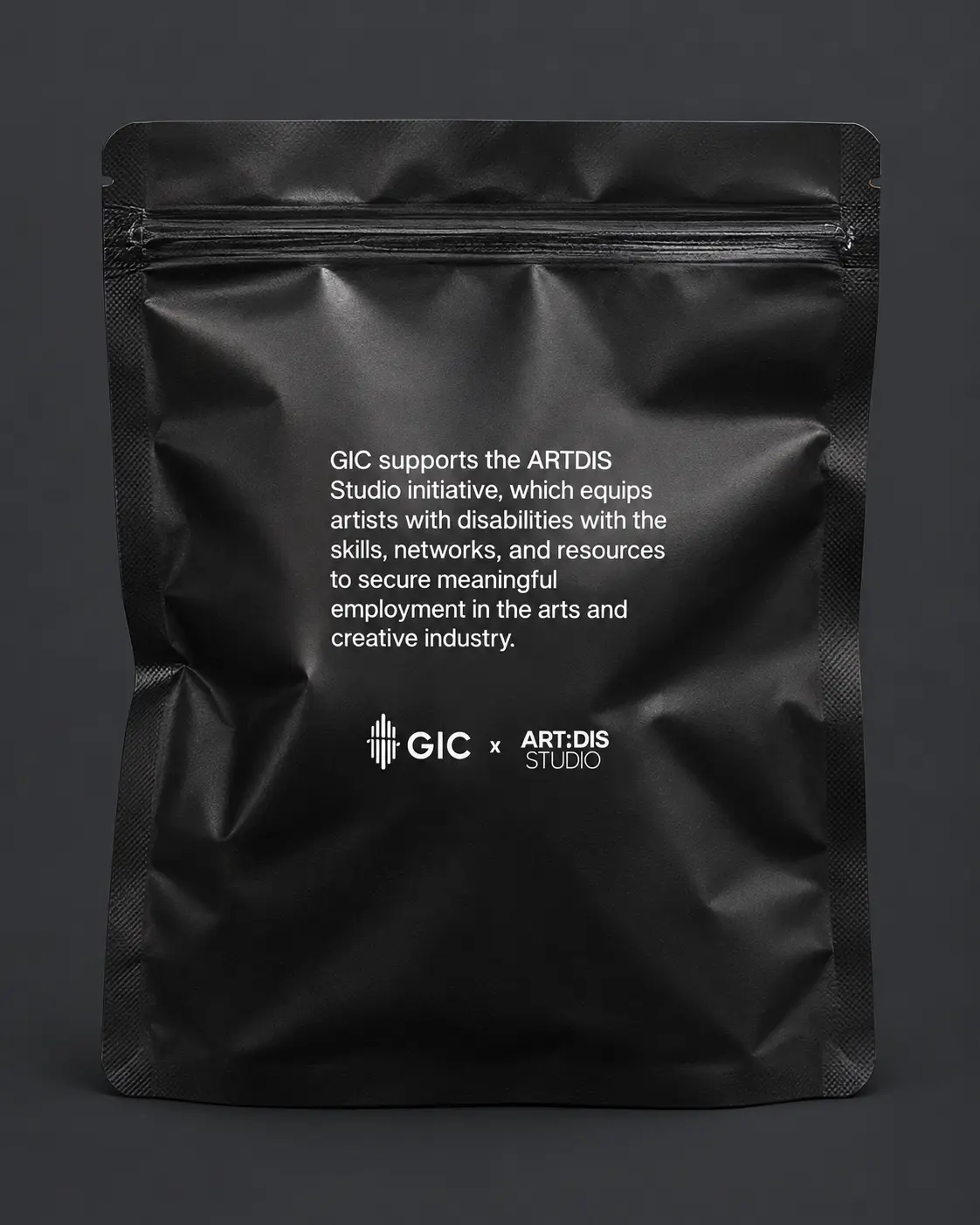
This makes the idea of a better future more concrete. Opportunity can mean developing a skill, having one’s work recognised and contributing through paid employment.
A future worth building should make room for people’s abilities, creativity and contribution.
I see the partnership as a thoughtful companion to the exhibition’s financial story. It draws attention to the people whose lives and opportunities give progress its meaning.
ART:DIS Studio is discussed here as a social-impact initiative, distinct from GIC’s investment mandate. The packaging does not establish that proceeds from this particular souvenir go directly to artists.
A question to carry forward
What will we choose to pass on?
The connection I draw between these exhibits is responsibility. The archive asks us to understand earlier decisions. The changing prices and headlines ask us to take uncertainty seriously. The garden asks for patience. The ART:DIS connection brings attention to people’s ability to participate and contribute.
Heritage becomes especially meaningful when it influences how we act. Understanding why something was built can help us decide how to care for it, improve it and keep its purpose alive.
As a parent, I find that question relevant. Alongside the resources we hope to leave our children, there are habits of judgment, a willingness to learn and a sense of responsibility for others.
The future takes shape through what we choose to care for today.
What would you most want the next generation to inherit and what could you begin nurturing now?
Explore more reflections on Singapore heritage and community.
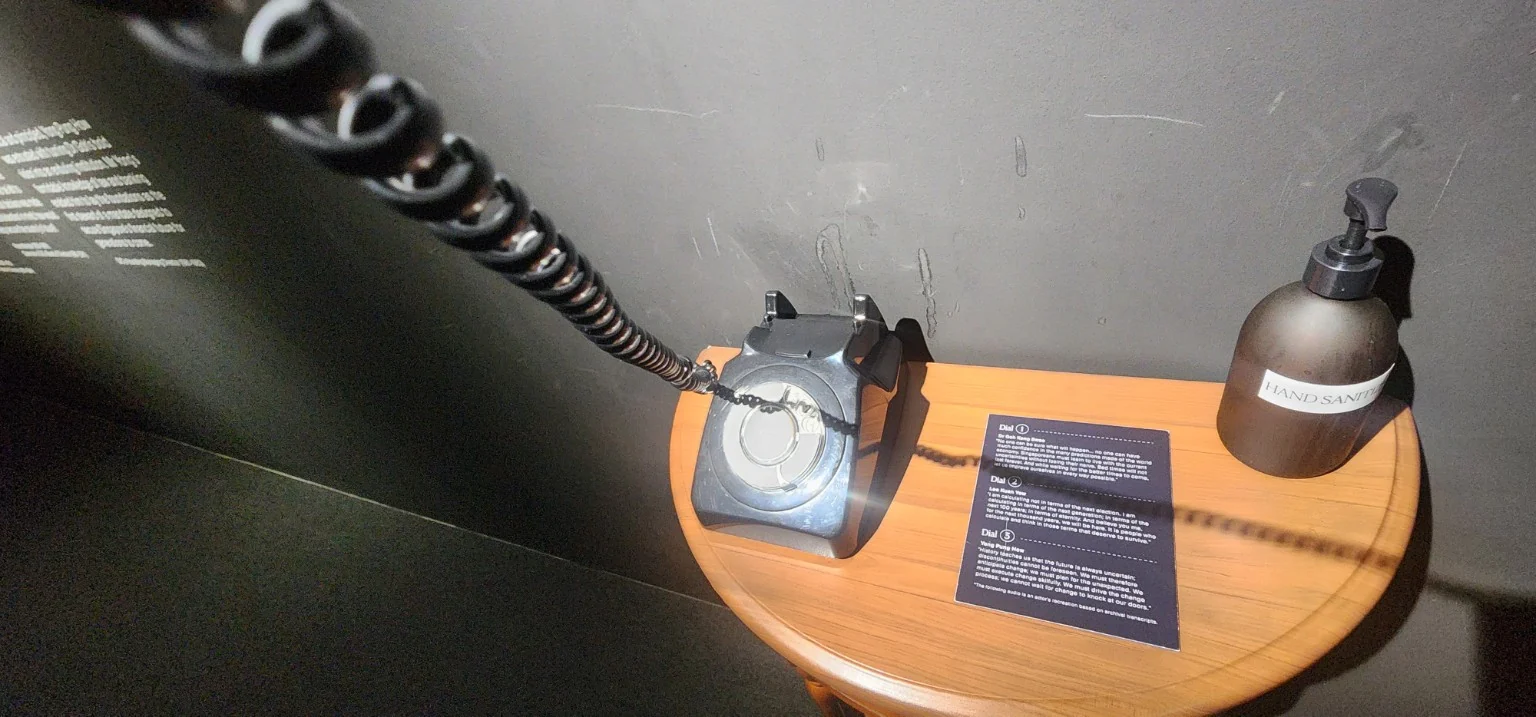
More photographs from the exhibition
Sources and context
References
- GIC: GIC Marks 45 Years with The Secret Vault, its First Public Exhibition — 15 September 2026.
- GIC CEO Lim Chow Kiat: Opening Remarks at The Secret Vault — 9 October 2026.
- GIC: Who We Are — purpose, history and governance.
- GIC: Bold Vision — the history of Singapore’s reserves and the formation of GIC.
- The Secret Vault: Official Event Information — exhibition chambers, dates and venue.
- GIC: ART:DIS Studio — partnership and employment pathways.
- ART:DIS: About Us — mission and opportunities through the arts.