People Behind Our Champs · JTC Summit · November 2026
Stephanie Soh: Growing into Leadership at MindChamps JTC Summit
From a shy student to Vice Principal, Stephanie shares her journey of finding her voice, earning families’ trust and helping every child feel they belong.
Stephanie Soh · Vice Principal
MindChamps PreSchool @ JTC Summit
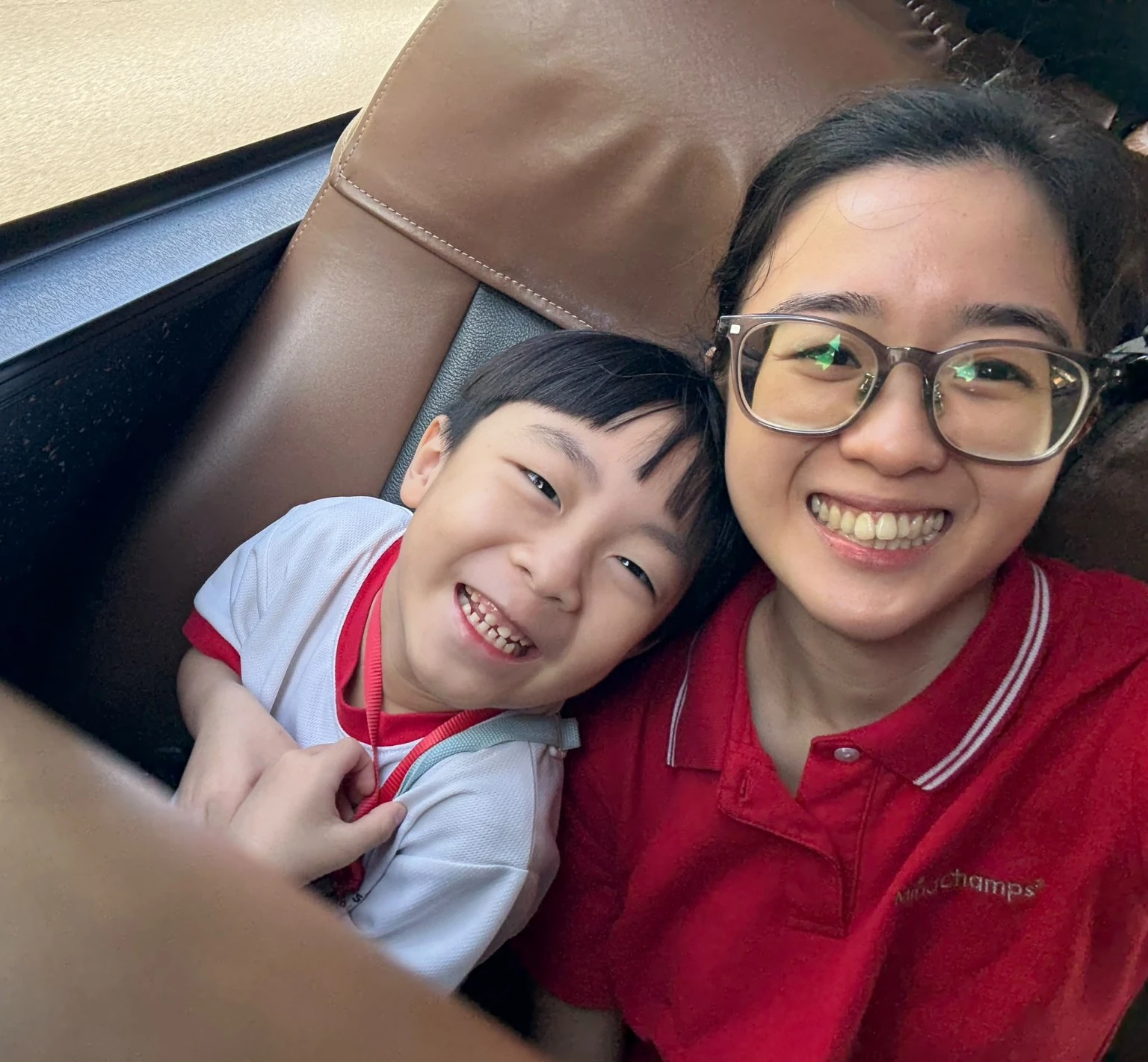
When you choose a preschool, you are placing your trust in the people who will welcome your child, notice their worries, celebrate their discoveries and encourage their next small step.
For parents exploring a preschool in Jurong East, understanding those people is an important part of the decision. What do they believe about children? How do they respond when a child struggles? What kind of example do they set?
Stephanie Soh, Vice Principal of MindChamps PreSchool @ JTC Summit, answers these questions through a story of personal growth. Once nervous about speaking in front of others, she has gradually grown into a role supporting children, colleagues and families.
From a quiet student to an educator with purpose
Growing up, Stephanie was shy and struggled with low self-esteem. Becoming a preschool educator was not something she had imagined for herself.
She did, however, enjoy babysitting her younger cousins. Spending time with them brought her joy, and she naturally found herself drawn to caring for little ones.
When choosing a polytechnic course, she discovered the Diploma in Child Psychology and Early Education at Ngee Ann Polytechnic. With no family members working in early childhood education, she was unsure where this path would lead.
Her faith gave her the confidence to begin.
“I had a quiet assurance in my heart that this was what God was calling me to do.”
— Stephanie Soh
She submitted her application, took that leap of faith and began a journey that would change how she understood children and herself.
Learning through experience
Stephanie entered the early childhood profession nine years ago as a fresh graduate and English teacher. She remembers the early challenges honestly: classroom management took practice, and some lessons she planned were beyond what the children were developmentally ready for.
Experience taught her to observe more carefully, reflect on what happened and adjust her approach. The willingness to keep learning would become an important part of her teaching and leadership.
A parent’s words that stayed with her
One conversation helped Stephanie understand the responsibility behind her work.
A parent whose 18-month-old child was in her care told her that, beyond her immediate family, Stephanie was the next person she trusted to care for her child.
Those words stayed with her. They reminded her that educators become partners to families during an important season of their children’s lives.
The relationships, the trust and the privilege of witnessing small milestones continue to give her a reason to stay.
A place where every child can feel they belong
Ask Stephanie what she hopes children feel when they arrive at school, and her answer begins with acceptance.
“More than anything, I hope every child walks into school feeling loved, welcomed and embraced for who they are.”
— Stephanie Soh
Every child brings a different personality, different strengths and different needs. Stephanie wants children to feel valued without changing who they are to fit in.
Some children respond to verbal encouragement. Others benefit from visual prompts, hands-on experiences or more time to become comfortable. Her approach begins with understanding those differences.
As she explains, reaching a child may require the educator to change the approach, drawing on patience, creativity and flexibility.
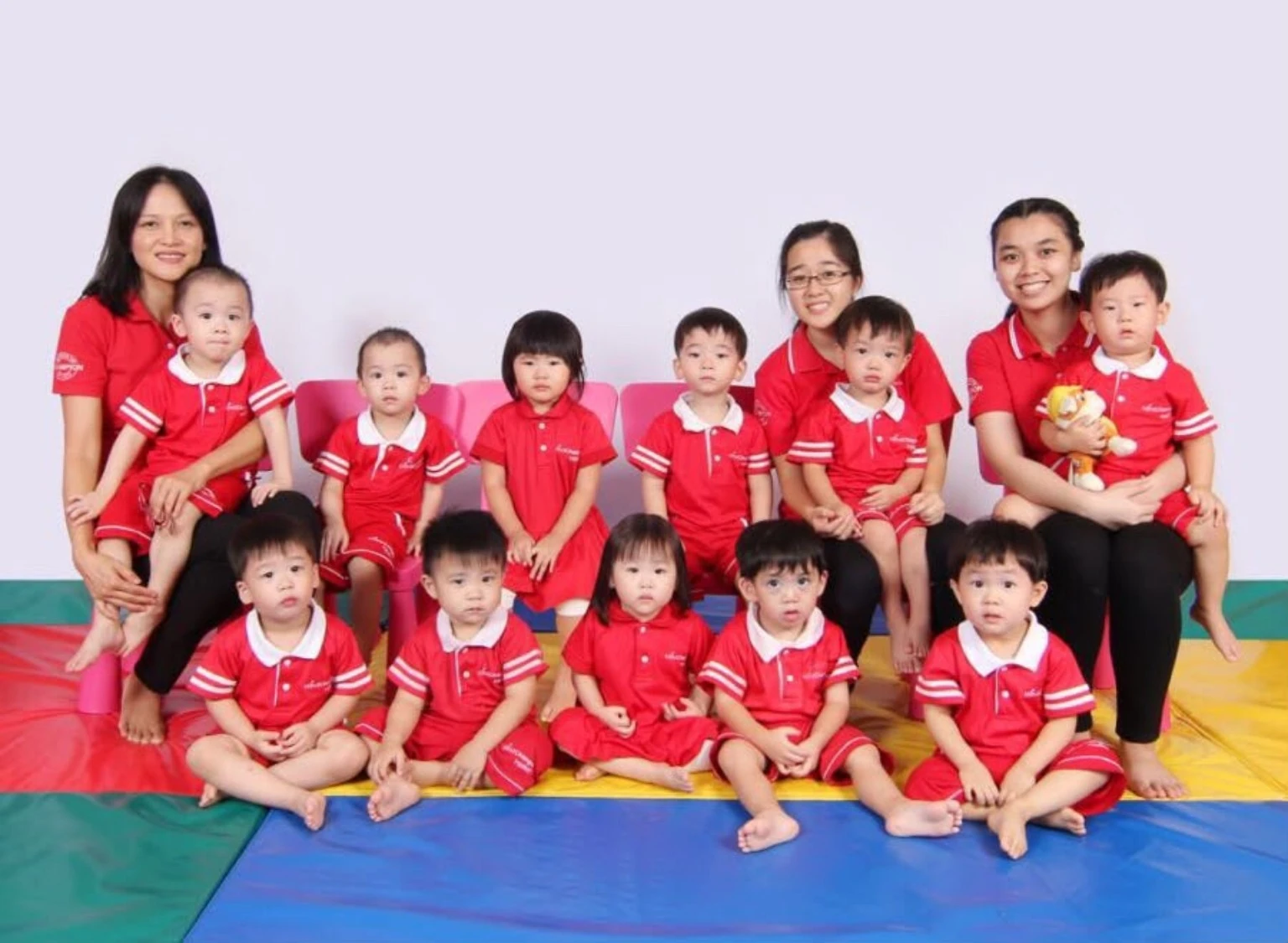
Helping children through big emotions
Stephanie’s response to children’s emotions has developed over time. Earlier in her career, she often tried to coax or distract an upset child so they could move on.
Reading about child development, including No-Drama Discipline, encouraged her to look more carefully at what a child might be experiencing during moments of distress.
Today, she aims to acknowledge the feeling, help the child feel supported and guide them towards appropriate ways to express and manage it.
She hopes children understand they can feel angry, sad, or frustrated and learn ways to respond while knowing they remain loved.
A useful question for your preschool visit:
“How will the team get to know my child, support them when they are upset and communicate with us during settling-in?”
How her aspirations connect with MindChamps teaching principles
Stephanie hopes children leave preschool curious, willing to make mistakes and assured they are loved. Her reflections offer a personal way to explore the broader MindChamps educational framework.
MindChamps describes its 3-Mind education model through the Champion Mind, Learning Mind and Creative Mind. The connections below are an editorial interpretation of Stephanie’s interview alongside those published principles.
The Champion Mind
Valuing individuality and responding to challenges. Stephanie’s wish for children to have the courage to make mistakes echoes that emphasis on confidence and perseverance.
The Learning Mind
Learning how to learn. Her interest in understanding each child and adapting her approach provides a starting point for discussing how children’s learning is supported.
The Creative Mind
Connecting ideas and perspectives. Stephanie’s enthusiasm for imaginative play reflects her wish to give children room to explore possibilities.
MindChamps also sets out its philosophy of 100% Respect, Zero Fear: confidence in oneself with consideration for others. Stephanie’s emphasis on listening, acceptance and guiding children through mistakes connects with that aspiration.
Framework reference: MindChamps’ official philosophy and pedagogy .
Learning through questions, experiences and play
MindChamps’ S.M.I.L.E.S.™ methodology covers Sensory, Motor, Intellectual, Linguistic, Emotional and Social development.
Its published Enquiry Teaching and Learning™ approach encourages questions and exploration, with teachers considering children’s interests when planning experiences.
The curriculum includes literacy, Chinese language and numeracy, alongside experiences involving music, movement, creative expression and food preparation. During a visit, ask the team to show how these elements fit into your child’s level and daily routine.
Curriculum reference: MindChamps’ official preschool curriculum .
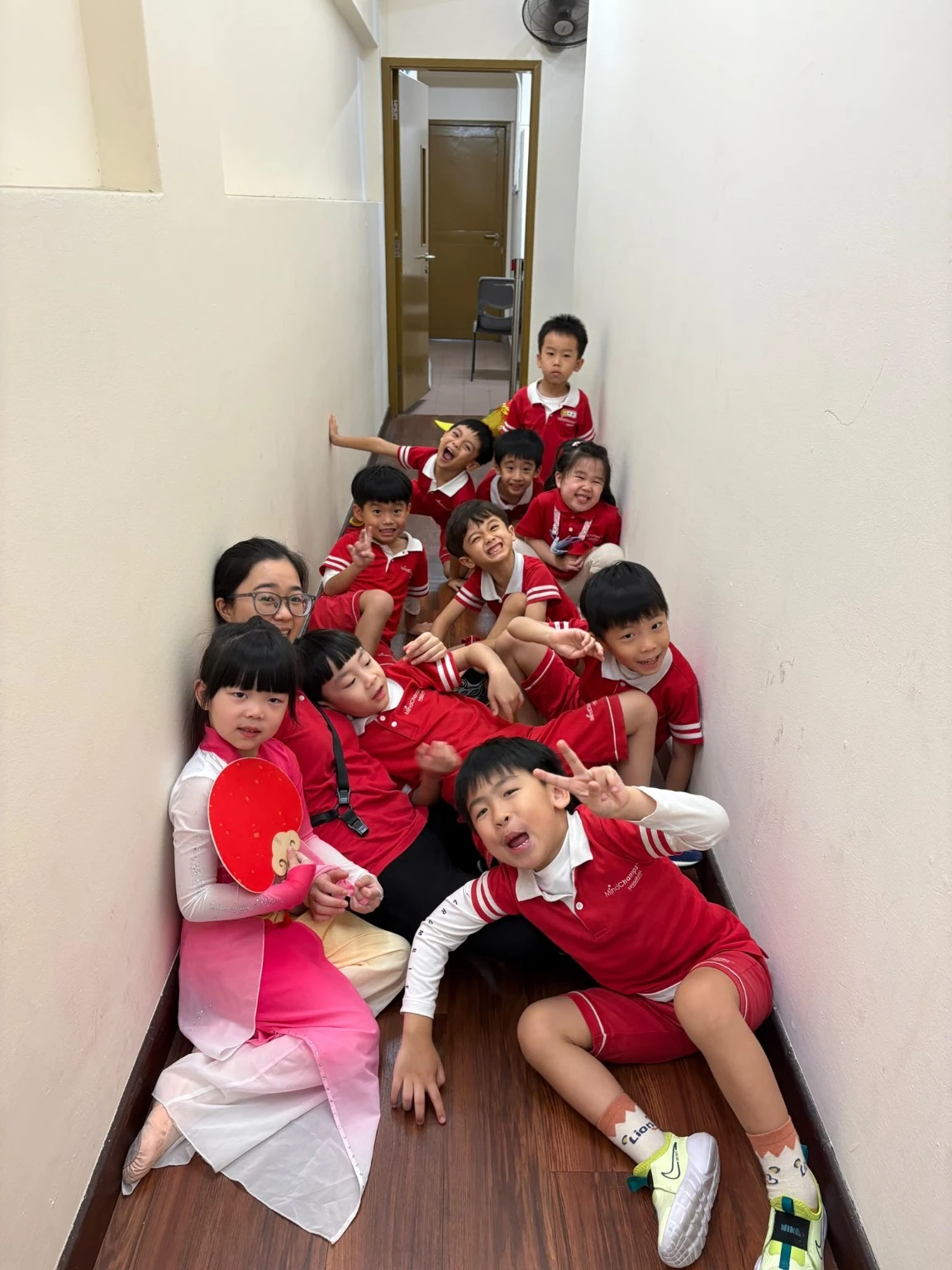
A young leader who learns alongside her team
Progressing to Senior Teacher meant taking on responsibility for guiding and supporting colleagues. Being a young leader sometimes brought uncertainty, particularly when working with people older or more experienced than herself.
Stephanie wondered whether her ideas would be taken seriously. Colleagues who listened, communicated openly and gave her opportunities helped her grow into the role.
Becoming Vice Principal expanded her responsibilities to school operations, classroom demands and considering how the school could better support inclusion.
She credits Principal Christina Tan, known as Chris, and her colleagues with teaching her to listen to families, understand their circumstances and respond flexibly.
Her own contribution is a thoughtful pause before reacting: observing, understanding the context and hearing different perspectives before deciding how to respond.
“If a teacher is hesitant, I would rather try it alongside them first than simply tell them what to do.”
— Stephanie Soh
It is a practical expression of the leadership she hopes to offer: being present, sharing responsibility and continuing to learn.
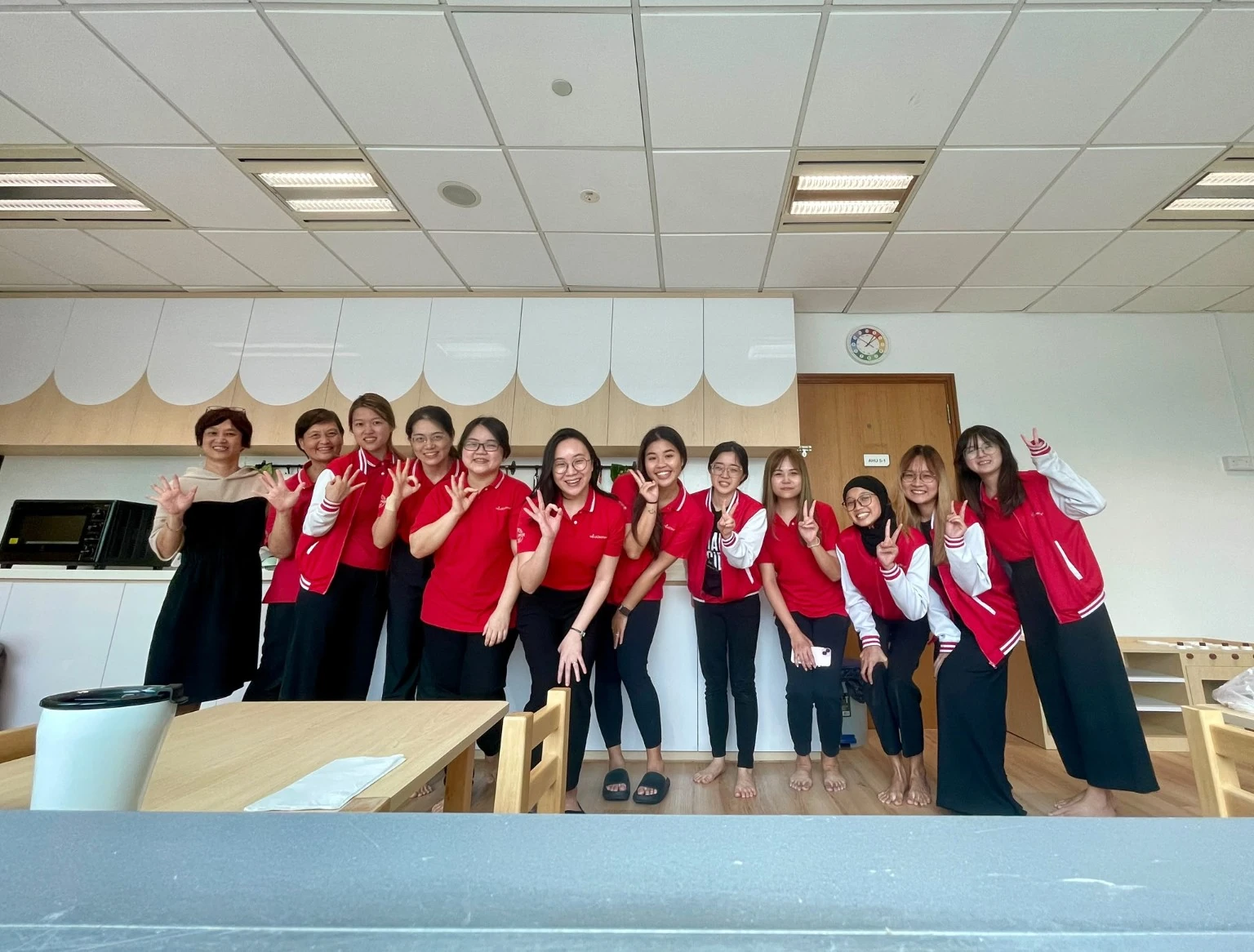
Her account offers a picture of how an established team can support emerging leadership. Experienced colleagues share their knowledge; younger educators bring questions and ideas.
Stephanie’s story adds another perspective to Christina Tan’s journey as Principal and Ellie Moon’s educator story within the JTC Summit community.
A Gen Z educator’s perspective on a digital childhood
Stephanie sees opportunities in technology and social media: creative activities, teaching ideas and resources that educators can adapt.
She also believes professional judgment should guide what enters the classroom. Before adopting an online trend, she considers its intention, whether it suits the children’s developmental stage and what meaningful learning it offers.
Alongside that openness to technology is her determination to protect the simple joys of childhood.
Give children cardboard boxes, toilet roll cores or tissue boxes, she suggests, and see what they imagine. A box becomes an aeroplane. A room becomes a restaurant. Ordinary objects become part of a story children create together.
Face-to-face conversations, shared laughter, comforting a friend and being present with one another remain important to her.
“Children only get one childhood. I hope we give them enough time, space and freedom to experience it fully.”
— Stephanie Soh
The person behind the role
Away from school, Stephanie describes herself as a homebody. She enjoys dramas and quiet time, while prayer and worship help her refocus and find strength.
She also has a twin sister working in early childhood education. If a parent spots a familiar-looking educator elsewhere, there may be a simple explanation.
What parents can discover beyond a social media post
Stephanie recognises that photographs and videos can introduce a preschool and share memorable moments. She also encourages parents to visit, speak with the people and observe everyday interactions.
How does a teacher respond when a child needs reassurance? Are questions welcomed? How do children and educators interact? What do you learn when you talk about your own child?
These conversations can help parents understand the people who may become part of their child’s daily life.
“Ultimately, parents are not just choosing a school or a learning environment. They are choosing the people they will entrust their children to.”
— Stephanie Soh
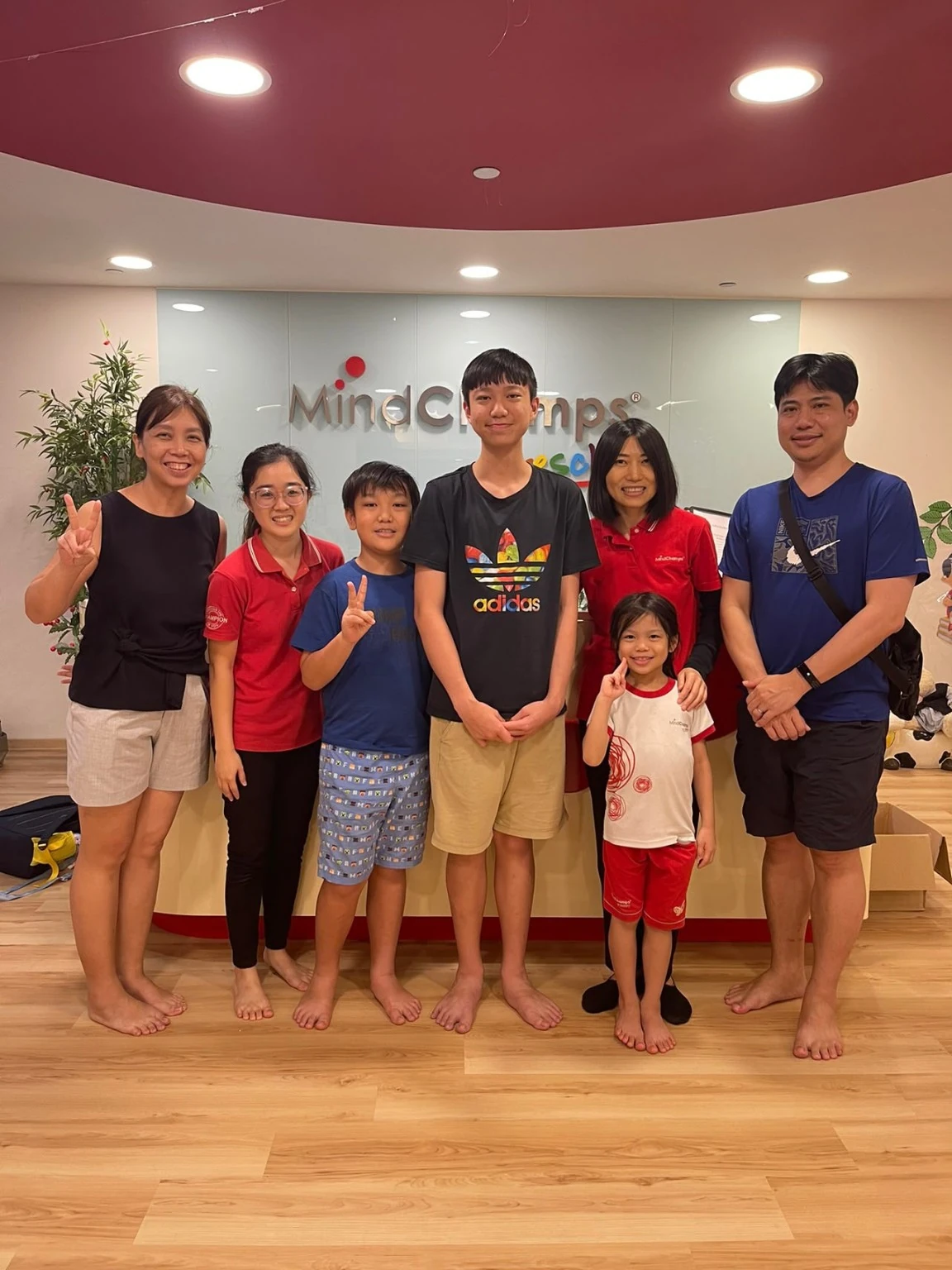
Why consider MindChamps PreSchool @ JTC Summit?
For families comparing childcare and preschool options in Jurong East, JTC Summit offers an established centre to explore.
Its official centre page records an opening in 2010, programmes for children aged 18 months to six years, a bilingual curriculum and a building with security officers and 24-hour surveillance.
Stephanie’s interview brings the human questions into focus: Who will notice your child’s needs? How will your concerns be heard? What does the team hope your child will carry into Primary One and beyond?
Get to know the educators
Ask how teachers help children settle and how they share observations with parents. Discuss what helps your own child feel comfortable.
See learning in context
Explore how curiosity, language, play and social development appear in the daily programme. Ask for examples relevant to your child’s age.
Explore the right fit
Discuss your child’s level, routines, current fees, availability and any additional support required before making your decision.
A school visit gives you the opportunity to connect the curriculum with the people who deliver it and decide whether the environment suits your family.
Centre reference: Official MindChamps JTC Summit centre information .
Curious minds, courage and the assurance of being loved
Beyond preparing children for Primary One, Stephanie hopes they leave preschool with three things:
“A mind that is always curious, the courage to make mistakes, and the assurance that they are deeply loved.”
— Stephanie Soh
Her own journey reflects the importance of having space to learn and people willing to support that growth.
At MindChamps PreSchool @ JTC Summit, she now has the opportunity to offer that encouragement to others: children discovering their abilities, colleagues developing their practice and families taking their first steps into preschool.
Asked why parents should trust her with their child, she answers with humility and commitment. She knows there will always be more to learn. What she promises is care, patience and thoughtfulness towards each child as an individual.
“While I may not be able to promise that every day will be perfect, I can promise that their child will be cared for, valued and embraced for who they are.”
— Stephanie Soh
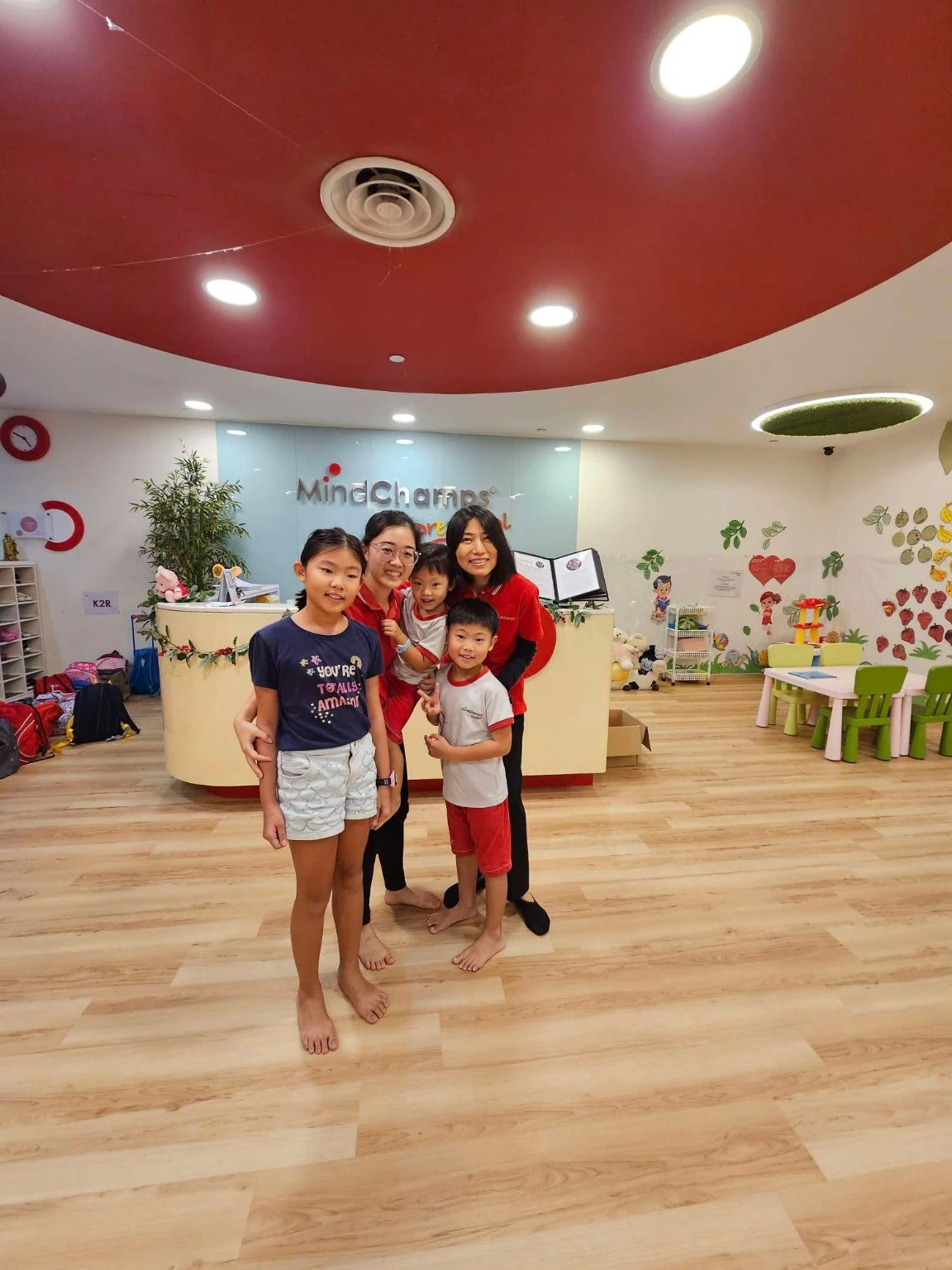
Come and meet the people who could shape your child’s preschool years
Considering MindChamps PreSchool @ JTC Summit? Arrange a visit with your child. Meet the team, explore the learning environment and talk about what matters to your family.
Share your child’s birth year, intended starting month and preferred visit times. Ask the team to recommend a suitable time to experience the school’s daily activities.
WhatsApp to arrange a JTC Summit visitParent enquiries: 8336 6538
Centre telephone: 6896 8896
MindChamps PreSchool @ JTC Summit
8 Jurong Town Hall Road, #05-01
The JTC Summit, Singapore 609434
Visits are arranged with the team. Confirm current fees, available places and programme details directly.
Questions parents often ask
Who is Stephanie Soh?
Stephanie Soh is Vice Principal of MindChamps PreSchool @ JTC Summit. In her interview, she describes nine years in the early childhood profession, progressing from English teacher to Senior Teacher and Vice Principal.
Where is MindChamps PreSchool @ JTC Summit?
The centre is at 8 Jurong Town Hall Road, #05-01, The JTC Summit, Singapore 609434, in Jurong East. Call 6896 8896 or WhatsApp 8336 6538 to enquire about a visit.
What ages does the centre cater for?
The official centre page lists programmes for children aged 18 months to six years, covering playgroup, nursery and kindergarten. Confirm the appropriate level and current availability with the team. Our Singapore preschool age guide can help you prepare.
What is the MindChamps 3-Mind education model?
MindChamps describes its model through the Champion Mind, Learning Mind and Creative Mind, covering individuality and responding to challenges, learning how to learn, and connecting ideas and perspectives. Ask the team how these principles appear in your child’s daily experiences.
How can I learn about settling-in support?
Tell the team about your child’s temperament, routines and previous care experiences. Ask how teachers handle separation, communicate with families and adapt their approach. Discuss any additional needs before deciding on enrolment.