Active Ageing in Singapore: More Than Exercise
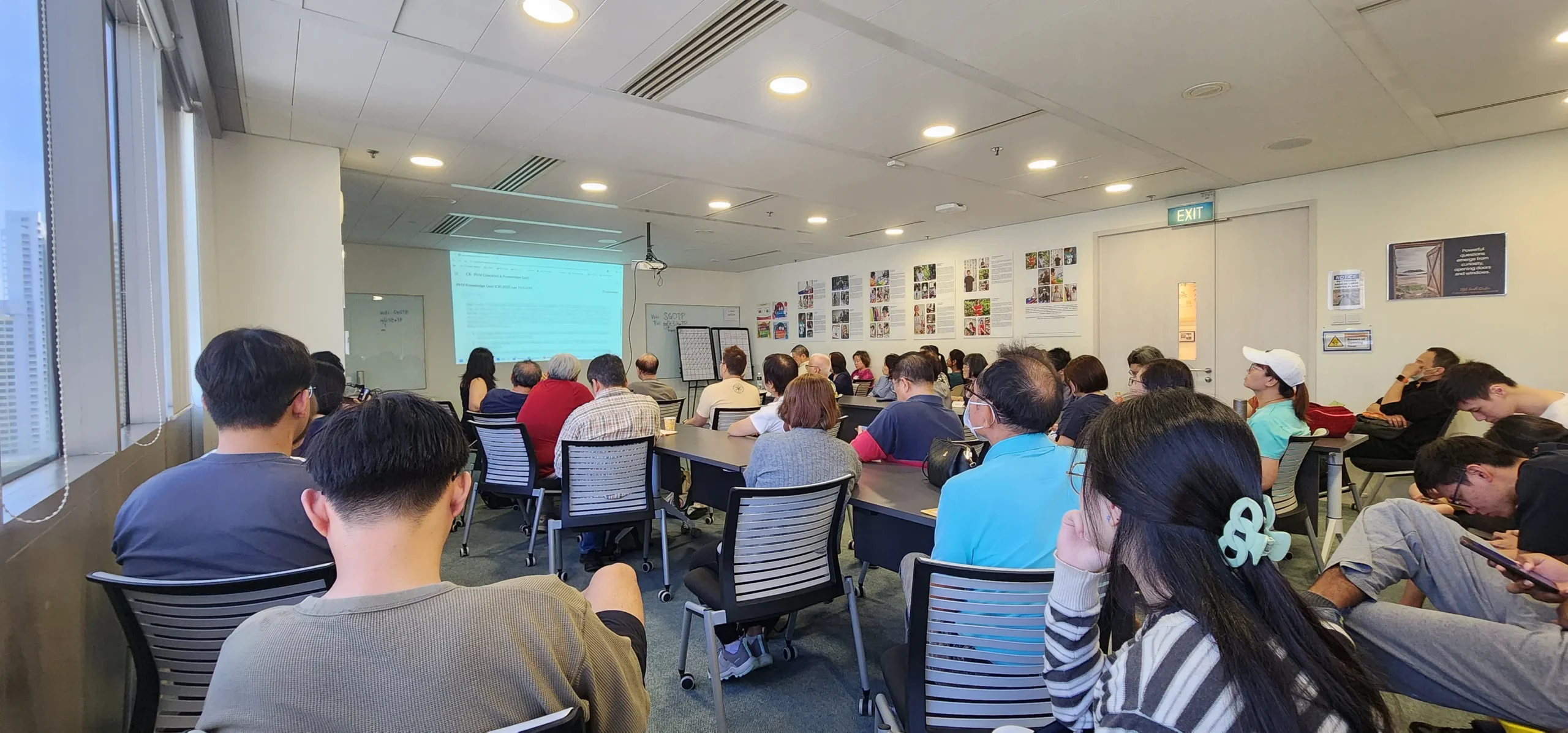
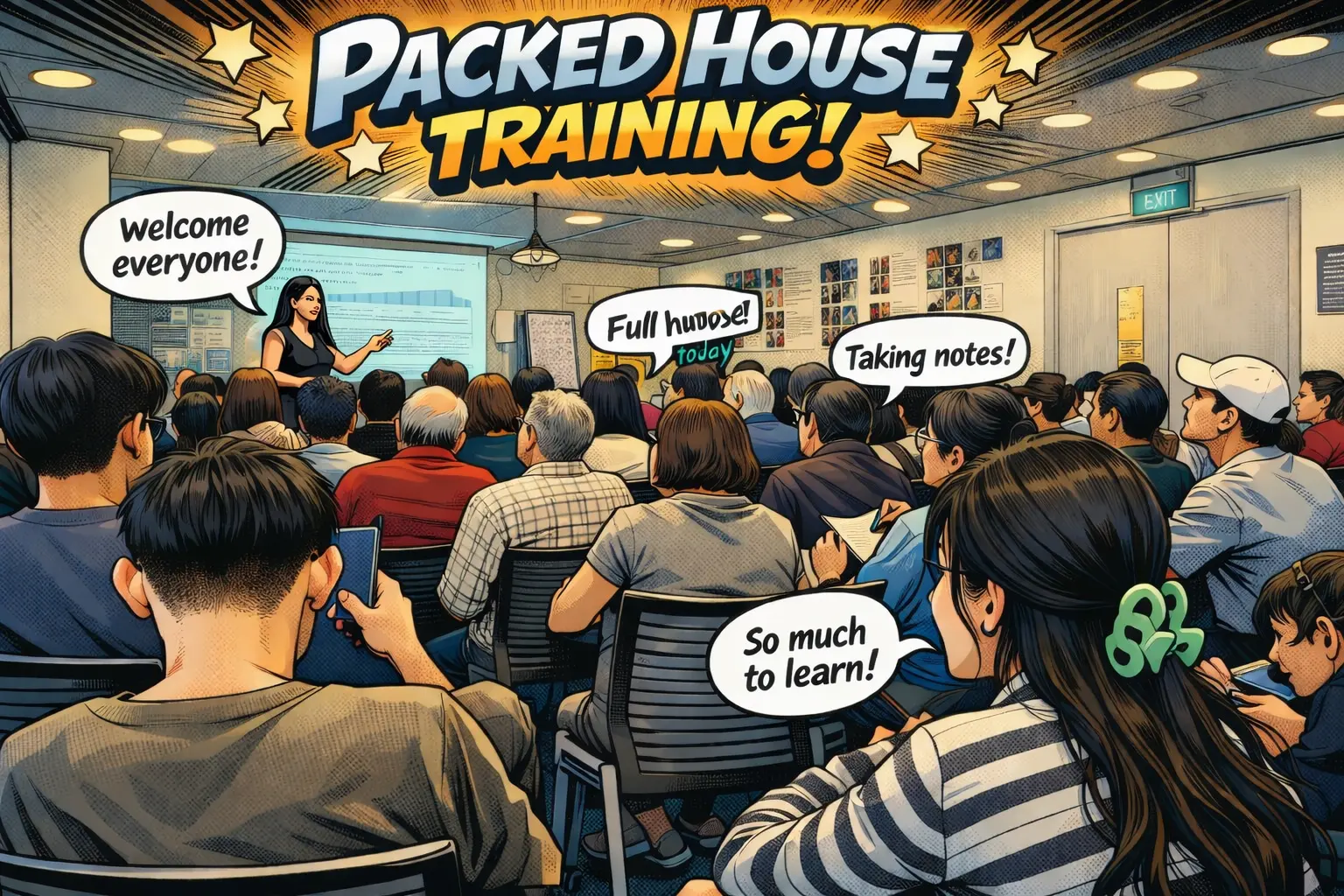
Recently, I had the opportunity to attend a meaningful training session by the Silver Generation Office. What stood out to me was not only the packed room and strong turnout, but also the clear shift in how support for seniors is being strengthened in Singapore.
The direction is becoming more practical, more person-centred, and more rooted in the community.
Many people still think active ageing is mainly about exercise classes, community activities, or encouraging seniors to keep busy. While these are important, active ageing today must go much deeper than that. It is not just about movement. It is about dignity, connection, support, purpose, and making sure seniors can continue to live meaningfully in the community they call home.
From what was shared during the training, it is clear that the journey is evolving from Healthier SG to Age Well SG, and now towards the Age Well Neighbourhood approach. To me, this reflects something deeper. Ageing well is no longer being framed only as an individual responsibility to stay healthy. It is increasingly about how the community, support systems, and services come together to make ageing more manageable, more accessible, and more humane.
One of the meaningful improvements highlighted was the stronger neighbourhood-based support through enhanced Community Health Posts and community nurses in person. This is significant because many seniors do not fail to get help only because help is unavailable. Sometimes, help exists, but it still feels too far away, too confusing, too formal, or simply too difficult to access in time.
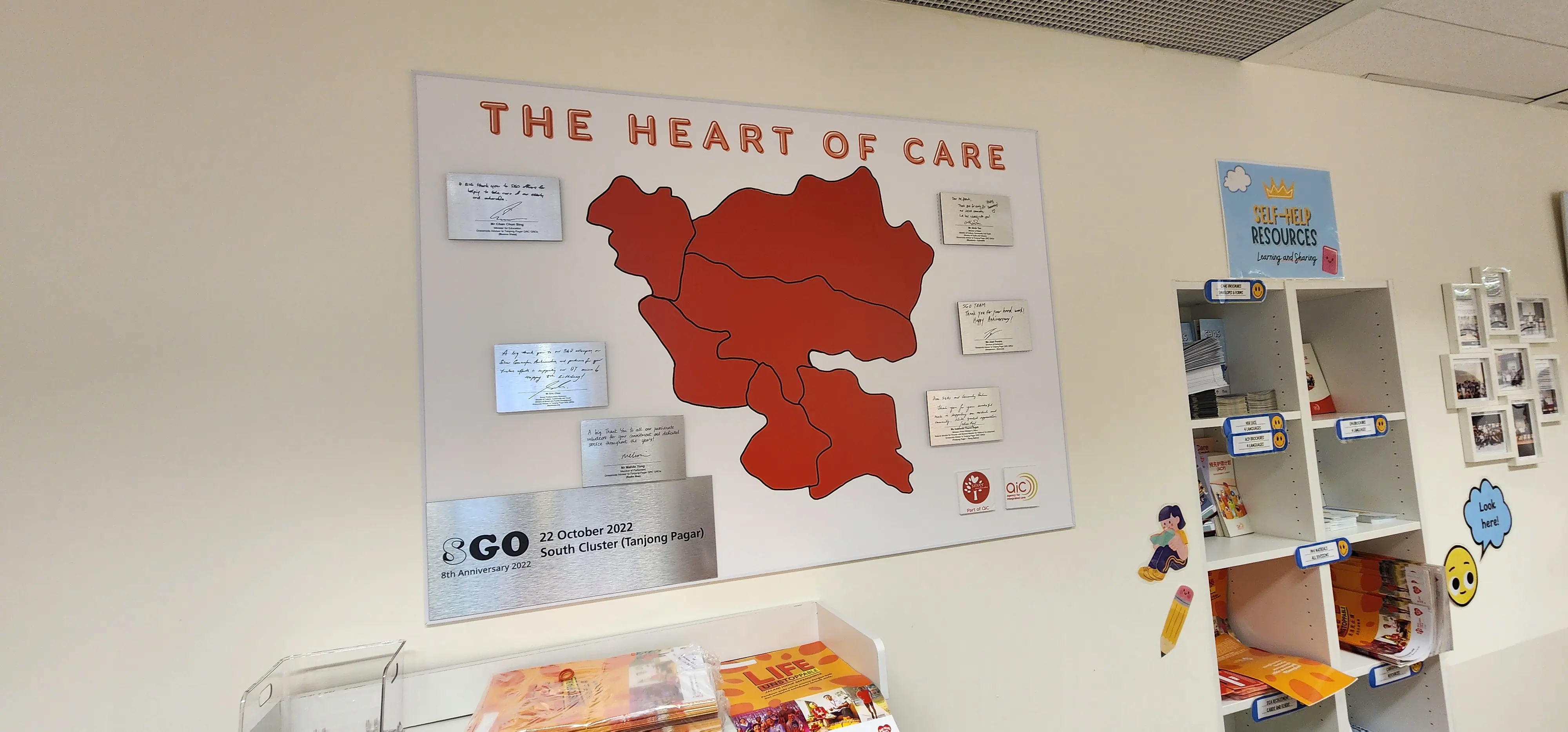
Bringing support closer to the neighbourhood makes a real difference. When services are easier to reach, when there are regular operating hours, when walk-ins are welcome, and when a community nurse is present in a more familiar setting, support becomes more approachable. It reduces the invisible barrier that many seniors face when deciding whether to seek help.
This matters because not every senior will proactively ask for support. Some may downplay their condition. Some may not want to trouble others. Some may not know what help is available. Others may simply be trying to cope quietly. This is why neighbourhood-based care is so important. It brings support closer before a situation becomes more serious.
Active ageing is not just about living longer.
It is about living better, with dignity, support, connection, and purpose.
Another aspect of the training that left a strong impression on me was the emphasis on person-centred care. This, in my view, is one of the most important shifts.
Too often, seniors are seen only through a problem lens — frailty, falls risk, chronic illness, mobility issues, memory decline, loneliness, or caregiver stress. But person-centred care asks a much more important question: what truly matters to this senior?
That question changes everything.
It moves the conversation beyond symptoms and services. A senior may say health is important, but the real reason may be that he wants enough energy to play with his grandchildren. Another may want better mobility so she can continue going out independently and not feel dependent on others. Another may fear pain because of what she has seen a loved one go through. Once we understand the deeper meaning behind the concern, support becomes more human, more respectful, and more relevant.
I also found it meaningful that the training touched on better ways of recording and understanding seniors’ goals, concerns, and motivations. This may sound like a small operational improvement, but it is actually very important. Good support depends not just on what is written down, but on whether the right things are being noticed and understood. Sometimes what matters most is not the obvious issue, but what is left unsaid.
A few years ago, I also had the opportunity to serve as a Silver Generation Ambassador, and that experience gave me the chance to walk the ground and engage seniors directly. I met seniors living alone, seniors staying with helpers, and seniors living with family across different HDB housing types. Those encounters taught me that ageing is deeply personal, and no two households are exactly the same.
One important lesson I took away is that not every senior who opens the door to you is necessarily doing well.
Some may appear calm and composed, but may actually be living with chronic illness, frailty, loneliness, or emotional stress. Some may spend most of the day alone at home while family members are out working. Others may rely heavily on a helper, with limited social interaction beyond that. Some may be physically weak but mentally sharp. Others may appear independent on the surface, yet quietly struggle with fear, confusion, or isolation.
There are in fact many different realities behind each household door.
That is why meaningful engagement requires more than process. It takes real observation, empathy, patience, and sincerity. Many seniors may not openly share their struggles unless trust is built. If they do not feel safe, respected, or understood, they may simply answer politely and keep deeper concerns to themselves. Sometimes the red flags are not spoken directly. They are noticed through the environment, the tone of the conversation, the body language, the way a senior answers, or even what they avoid saying.
This is why active ageing cannot be reduced to programmes alone. It must also include the human skill of noticing, listening, and connecting sincerely.
The role of engaging seniors on the ground is not only about outreach. In many ways, it is also about being the eyes on the ground — noticing possible red flags, understanding what may not be immediately visible, and helping connect seniors to the right forms of support. This may involve concerns around falls, frailty, mood, loneliness, financial strain, caregiving stress, or basic day-to-day living.
And what I find meaningful is that these lessons do not apply only within formal SGO work.
The skills and awareness we gain through such engagement can also shape how we relate to seniors in everyday life. Whether it is a conversation at the lift lobby, in a coffee shop, at a community event, or simply within one’s neighbourhood, we can still apply what we have learnt. We can listen better. We can notice signs that someone may need help. We can share useful knowledge gently. We can point seniors or families towards support and resources that may benefit them.
In that sense, active ageing is not only the responsibility of agencies, policies, or formal programmes. It is also something society strengthens through everyday human connection.
Sometimes, meaningful support does not begin with a formal referral.
It begins with a sincere conversation.
Another important takeaway from the training was the wider view of what ageing well actually involves. It is not only about physical health. It also includes mental wellbeing, social connection, caregiving support, financial assistance, home safety, advance care planning, digital skills, scam awareness, lifelong learning, and opportunities to continue contributing. This wider ecosystem is important because ageing does not happen in only one dimension.
A senior may be mobile, but lonely. Another may be socially active, but financially strained. Another may be physically well, but overwhelmed by caregiving responsibilities at home. Another may be independent today, but increasingly vulnerable to scams or digital exclusion. To age well is not simply to avoid illness. It is to remain supported across different aspects of life.
This is why I believe active ageing is such an important topic to talk about.
It affects not only seniors, but also families, caregivers, neighbours, volunteers, and the wider community. As Singapore continues to age, this conversation becomes more relevant, not less. But it must not remain only at the level of slogans or broad statements. It must be visible and practical on the ground. It must be easy enough for seniors to access, and human enough for them to trust.
To me, the strongest message from the training is this: active ageing is not about asking seniors to do more for the sake of appearing active. It is about helping them live better, stay connected, remain supported, and continue to find dignity and meaning in daily life.
A society that ages well is not one that merely tells seniors to stay healthy.
It is one that improves how it listens, how it notices, how it supports, and how it cares.
And that, to me, is why this conversation matters more than ever.
Follow Andrew Koh SG
Stay connected across my platforms
Quick contact info
If you would like to discuss a property decision, active ageing strategy, or a practical home exercise plan, feel free to reach out. I respond personally and aim to provide clear, thoughtful, and time-respectful guidance.