



Fort Siloso and Sentosa: Where Heritage, Resilience and Everyday Life Meet

Sentosa is often seen as a place of leisure, entertainment, and escape home to attractions, scenic coastal routes, and popular beaches. Yet beyond its vibrant energy lies a deeper and more reflective side. Fort Siloso stands as one of Singapore’s most meaningful wartime heritage sites, quietly preserving the memory of struggle, occupation, defence, and the difficult lessons that shaped the Singapore of today.

For me, Sentosa is also one of my favourite places to exercise, hike, eat, run, and cycle. Perhaps that is what makes it so special. It is not only a place for movement and enjoyment, but also one where heritage and everyday life come together in a very real way. One moment, I am enjoying the openness of the coastal paths and sea breeze; the next, I am confronted by reminders of a painful past that transformed Singapore forever.

“The war opened the eyes of many people in Singapore. Things would never be the same again.”
Lee Kuan Yew, Prime Minister of Singapore, 1959–1990

One of the most reflective moments at Fort Siloso is encountering this reflection by Lee Kuan Yew. The quote speaks to more than the suffering of war. It reflects a profound shift in mindset. The Second World War and the Japanese Occupation shattered old assumptions and forced many in Singapore to confront a painful truth: dignity, safety, and the future of one’s family could not be left entirely in the hands of foreign powers.

Out of fear, uncertainty, and hardship emerged a stronger resolve for self-governance, national resilience, and the determination to build a country that could stand on its own feet. In this sense, the quote is not only about wartime memory. It captures the awakening of a generation and the birth of a more determined Singapore spirit.

Lee Kuan Yew quote display at Fort Siloso about how war changed Singapore and shaped the determination for self-governance

A reflective quote by Lee Kuan Yew, Prime Minister of Singapore, 1959–1990, on how the war transformed Singapore’s thinking and shaped the resolve for dignity, self-determination, and nationhood.

A generation awakened by war

This image sets the emotional tone for the entire heritage journey. It reflects how war changed the thinking of a generation and strengthened the resolve for dignity, self-determination, and nationhood.

This quote by Lee Kuan Yew, Prime Minister of Singapore, 1959–1990, carries a meaning far deeper than its words alone. It reflects a generation awakened by hardship, forced to confront the painful truth that neither colonial rule nor foreign power could guarantee their dignity, safety, or future. The Second World War and the Japanese Occupation became defining lessons that changed how many in Singapore saw themselves and the kind of country they hoped to build. Out of fear, uncertainty, and suffering emerged a stronger resolve for self-governance, national resilience, and the determination to raise future generations in a country they could truly call their own.

Scenic reflection view near Fort Siloso with greenery, calm waters, and Singapore skyline in the distance

From coastal memory to modern confidence, this Sentosa shoreline view reflects the contrast between Singapore’s past and present.

Calm waters, living community

What moved me here was not only the scenic beauty, but also the quiet community life unfolding along the shoreline that morning. I saw people gathering by the water, walking, exploring the shore, and simply enjoying the open air together. It was a simple but meaningful reminder of what peace makes possible.

Waters once linked to uncertainty and vulnerability now stand beside a modern, confident Singapore shaped by resilience and progress. The same coastline that once formed part of a landscape marked by danger, defence, and strategic concern is today a place where ordinary life unfolds peacefully. In that sense, this image is not only about landscape. It is also about community, freedom, and how far Singapore has come.

Dragon’s Teeth Gate marker in Sentosa with coastal view and Singapore skyline in the background

A heritage marker in Sentosa that reminds visitors of Singapore’s strategic maritime past and the deeper stories hidden within the landscape.

Dragon’s Teeth Gate: where geography became history

This scene holds landscape, history, and modern Singapore in one frame. The Dragon’s Teeth Gate (Long-Ya Men) marker stands quietly by the water, surrounded by greenery, while the skyline beyond represents the Singapore of today.

What makes this especially meaningful is that the board points us to a time when geography itself shaped destiny. Long before Sentosa became associated with leisure and recreation, these waters were part of a much deeper story connected to navigation, trade, defence, and the strategic significance of Singapore’s coastline. The marker turns the landscape into something more than a beautiful view. It becomes a point of remembrance, helping visitors see that Singapore’s story has always been shaped by its geography as much as by its people.

Fort Siloso entrance with artillery display and surrounding greenery in Sentosa

A preserved entrance scene at Fort Siloso, where military history, remembrance, and Singapore’s wartime legacy continue to speak to the present.

Defence and remembrance

Military relics are not just historical objects. They are reminders that security, preparedness, and peace should never be treated lightly. The preserved entrance to Fort Siloso, with its artillery display and surrounding greenery, symbolises a place where history has been intentionally kept visible for future generations.

Defence is often understood in terms of weapons, structures, and strategy. Yet places like this also remind us that remembrance is part of defence. To preserve a site like Fort Siloso is to preserve the lessons that came with hardship: that peace is fragile, that resilience matters, and that complacency can be costly.

Historical mural

Black and white historical mural at Fort Siloso showing people and scenes from Singapore’s past

This mural humanises history, reminding us that Singapore’s story was shaped not only by events and places, but by the people who lived through them.


Heritage is about people, courage, and sacrifice

This mural carries deep emotional force because it places people at the centre of history. With Lim Bo Seng on the left and Elizabeth Choy among the figures, the scene reminds us that Singapore’s wartime story was shaped not only by events and places, but by individuals of courage, sacrifice, and resilience.

Lim Bo Seng is remembered as a symbol of patriotism and sacrifice. Elizabeth Choy is remembered for courage, compassion, and moral strength. Their presence in the mural humanises the heritage of Fort Siloso, showing that remembrance is not only about military defence, but also about honouring the people whose choices, endurance, and convictions helped shape the moral memory of a nation.

In the end, forts preserve places, but people like Lim Bo Seng and Elizabeth Choy preserve meaning.

Where heritage and everyday life meet

What makes Sentosa unique is that it allows different layers of meaning to coexist. It can be a place for recreation, reflection, wellness, and remembrance all at once. That is something I appreciate deeply. I may come here to run, hike, cycle, exercise, or enjoy a meal, but I am also reminded that this same island carries stories far greater than leisure.

It holds part of Singapore’s wartime memory and, with it, the lessons that shaped our national identity. In a fast-moving world, heritage sites like Fort Siloso continue to matter because they ground us. They remind us that progress has a backstory, that peace has a price, and that nation-building is never abstract. It is lived by real people across real generations.


Sentosa, in that sense, is more than a lifestyle destination. It is a place where beauty, movement, memory, and meaning stand side by side.

Closing reflection

To visit Fort Siloso is not only to look back. It is to better understand the present. Between the old defences, the heritage markers, the shoreline, and the faces remembered in its murals, Fort Siloso quietly reminds us that modern Singapore was built through hardship, resilience, and the determination never to be easily pushed around again.

Sentosa, however, is more than a single-day destination. It is a place worth revisiting and rediscovering. At different times of the year and in different moments of life, the island can offer something new whether heritage, scenery, recreation, reflection, or a renewed appreciation of Singapore’s many layers. What one notices in the quiet of the morning may feel very different from what one experiences during a festive period or an active weekend.

That is what makes this place meaningful to me. Sentosa remains one of my favourite places to spend quiet time, exercise, hike, eat, run, and cycle, but it is also a place that encourages deeper exploration. Beyond its attractions, it reminds us that some places continue to reveal their value over time not only as destinations for enjoyment, but as spaces of memory, discovery, and reflection.

“Sentosa is not only a place to visit once, but a place to rediscover across different times of the year, different rhythms of life, and different layers of meaning.” AndrewKohSG

Ageing in Singapore: Medical Choice, Financial Reality, and the Questions Families Must Consider

 Active Ageing

Ageing in Singapore: Medical Choice, Financial Reality, and the Questions Families Must Consider

By Andrew Koh Singapore • Public-interest commentary • Educational content only

Illustration contrasting basic public healthcare support and greater private medical choice for seniors ageing in Singapore A conceptual illustration showing the contrast between basic care support and greater medical optionality in later life in Singapore. 
Singapore has built a system designed to help seniors age with dignity. Yet in practice, the experience of old age can look very different depending on one’s financial position, family support, insurance profile, housing decisions, and ability to absorb costs that fall outside the baseline of public protection.

The purpose of this reflection is not to create fear, but to encourage earlier awareness, wiser planning, and more compassionate conversations about ageing in Singapore.

The Reality Many Families Only Discover Later

A senior may appear financially stable on paper. There may be a home, CPF savings, and basic healthcare protection. But when chronic illness strikes, especially a serious condition requiring repeated treatment, follow-up care, transport, caregiving, or prolonged outpatient support, the real question becomes more practical: how much flexibility is actually available when life becomes medically uncertain?

This is where many families begin to see the difference between being protected at a basic level and having enough room to make choices comfortably. In later life, illness does not arrive with a warning letter. It often appears suddenly, and the financial implications may only become clear after treatment has already started.

The Ordinary Senior’s Path: Protection Within Boundaries

For many seniors, ageing is managed within the boundaries of the local system: public healthcare pathways, government subsidies, MediSave usage, MediShield Life protection, and, where necessary, financial assistance. This framework is important. It provides meaningful support and helps ensure that seniors are not left entirely without care because of an inability to pay.

At the same time, protection within a system is not the same as unlimited optionality. When a family must work within approved claim limits, subsidy structures, waiting times, care settings, and affordability thresholds, the decisions available to them may be narrower than they first imagined.

The Wealthy Senior’s Path: More Than Better Care, It Is More Choice

Wealth does not remove illness, but it often changes the set of decisions. A financially stronger household may be able to seek faster private consultations, absorb non-claimable costs, obtain multiple specialist opinions, pay for additional caregiving support, and pursue options that are simply not realistic for the average household.

In practical terms, the difference is often not just better treatment, but greater optionality: more speed, more privacy, more convenience, more second opinions, and more freedom to act without immediate financial pressure.

When Overseas Treatment Enters the Conversation

This divide becomes even more visible when families discuss overseas care. For some, overseas treatment is a realistic option supported by resources, planning, and the ability to bear substantial out-of-pocket expenses. For many others, it remains more aspiration than a practical pathway.

That distinction matters because it reflects a broader truth about ageing: the average senior often plans around affordability and system access, while the affluent plan around speed, choice, and medical optionality.

Why Housing and Retirement Decisions Matter More Than They First Appear

Senior life planning is rarely just about health. It is also about cash flow, housing, caregiving realities, and how much wealth remains flexible when illness arrives. A household may be asset-backed and still feel vulnerable if too much of its position is locked in a property or committed to structures that improve long-term security but reduce immediate liquidity.

This is why conversations about right-sizing, retirement adequacy, and senior housing should never be viewed only as property matters. In later life, housing, health, and care economics are deeply interconnected.

Scenario: A Senior Living in a 3-Room HDB Flat with Stage 4 Lung Cancer

Senior woman in a modest 3-room HDB flat using respiratory support, illustrating the realities of serious illness and ageing in Singapore Illustrative scenario of a senior in a modest HDB home facing serious illness, healthcare costs, and reduced medical flexibility in later life.

Consider a senior who has worked for 40 years and is now living in a 3-room HDB flat. She has no private insurance and relies mainly on CPF savings, MediSave, and MediShield Life. She is later diagnosed with stage 4 lung cancer.

In Singapore, what happens next is usually not a single event, but a sequence of medical, financial, and family decisions. The issue is not only whether treatment is available. The issue is how much of that treatment remains affordable, claimable, and sustainable over time.

What usually happens first

She will typically enter the local healthcare system through a specialist referral, public hospital, or oncology pathway. If she stays within the subsidised public route, government subsidies usually reduce the bill first. After that, MediShield Life may cover eligible portions of large hospital bills and selected costly outpatient cancer treatments, while MediSave may be used in accordance with prevailing withdrawal rules.

What the practical limits may feel like

Even with MediShield Life and MediSave, the family may still face pressure if treatment extends over a long period, if supportive services accumulate, if repeated scans and admissions are required, or if some costs fall outside claimable limits. The burden is not just the hospital bill. It can also include transport, nutrition, home support, caregiving strain, and reduced day-to-day financial flexibility.

What happens if she cannot afford the remaining bill

If she is a needy Singaporean senior and still cannot afford her medical expenses after government subsidies, insurance, and MediSave, she may apply for MediFund. For seniors aged 65 and above, MediFund Silver exists as a more targeted safety net for needy elderly patients.

What this means in reality

A senior in this position is not left completely unprotected. But she is also not in the same position as someone with strong private coverage or substantial liquid wealth. She may still receive treatment, but her choices are likely to be narrower, more financially constrained, and more dependent on staying within the subsidised system.

Her 3-room HDB flat may provide housing security, but it does not automatically address the issue of medical flexibility. A flat is a long-term asset. Cancer treatment is an immediate reality. This is where many families discover that being asset-backed is not the same as being cash-flexible.

In simple terms, she will likely still be treated, but the pathway is more likely to depend on subsidies, MediShield Life, MediSave limits, and possible MediFund assistance, rather than broad private or overseas medical choice.

The Real Divide in Old Age

The divide is not simply between healthy and unhealthy, or even between insured and uninsured. Often, it is between:

Planning for Survival

Working within public pathways, claim rules, affordability constraints, household support, and day-to-day practical realities.

Planning for Optionality

Retaining the financial freedom to choose speed, setting, specialist access, private care, or broader treatment pathways.

Both groups may age. Both may encounter serious illness. But they do not age with the same degree of medical freedom. That is the deeper inequality many families sense, even if they do not always articulate it in those words.

A More Realistic Way to Think About Senior Readiness

For seniors and their families, the better question is not only whether there is a home, CPF savings, or a policy in place. The better question is whether there is enough flexibility when something serious happens.

That flexibility may come from a combination of:

  • appropriate healthcare protection and a realistic understanding of what it does and does not cover
  • accessible cash flow, not just asset value on paper
  • strong family or caregiver support
  • prudent housing decisions that consider later-life realities
  • early conversations before a medical crisis force rushed decisions

Closing Reflection

Singapore’s system gives seniors meaningful support, and that should be recognised. But support is not the same as unlimited choice. For the average senior, the challenge is often how to remain secure within the system’s boundaries. For the affluent, the challenge is different: how to make use of a much wider range of options.

To reflect on these realities is not to fear ageing. It is to approach ageing with greater honesty, responsibility, and care.

“This is not a message of fear. It is a reminder that ageing, health, housing, and financial resilience are deeply connected, and that thoughtful preparation matters long before a crisis appears.”

Important Note and Compliance Disclaimer

This article is provided for general educational and public-interest discussion only. It does not constitute medical advice, legal advice, financial advice, estate planning advice, insurance advice, CPF advice, or property advice. It is not intended as a substitute for professional consultation.

Healthcare financing, subsidies, insurance claim frameworks, CPF rules, housing policies, and eligibility criteria may change over time. Readers should refer to the latest information published by the relevant authorities and seek advice from qualified professionals before making healthcare, retirement, insurance, housing, estate planning, or financial decisions.

Any scenario presented in this article is illustrative only. It is not a prediction of medical outcome, bill size, treatment suitability, insurance payout, or financial eligibility. Actual patient experience depends on diagnosis, treatment plan, care setting, subsidies, claimable items, household circumstances, and the prevailing rules at the time.

This article does not make claims about specific hospitals, doctors, insurers, treatment outcomes, policy performance, or individual patient scenarios. Readers facing actual medical, insurance, retirement, or housing decisions should consult the relevant public agencies and appropriately qualified medical, legal, financial, insurance, or property professionals.

Andrew Koh Kah Heng Singapore Real Estate Professional | Founder AndrewKoh.sg UFitness.sg UProperty.sg

About Andrew Koh, Singapore

Andrew Koh, Singapore, writes on active ageing, strategic living, heritage, community, and long-term decision-making in the Singapore context. His work aims to encourage thoughtful public discussion around independence, dignity, resilience, and practical life planning across different stages of life.

Continue the Conversation Thoughtfully

Ageing well is not only about movement, money, or medicine in isolation. It is about how these realities intersect. A more informed conversation today may lead to more thoughtful decisions tomorrow.

From Aerobics to Time Capsules: Memories of SAF NCO Club and The Chevrons

Heritage & Community

From Aerobics to Time Capsules: Remembering SAF NCO Club and The Chevrons

A heartwarming reflection on how shared spaces, community activities, fitness, and fellowship created lasting memories across generations in Singapore.

By Andrew Koh Singapore | Heritage, Community & Shared Memories

Some places are remembered not only for what stood there, but for what they meant to people. In Singapore, clubs and community spaces have long played an important role in bringing individuals and families together. They were not just venues for recreation. They were places where friendships were formed, stories were shared, and memories quietly took root over the years.

Looking at these photographs, one cannot help but feel that they represent more than events of the past. They reflect an era of participation, belonging, and simple but meaningful moments. Whether through fitness classes, gatherings for seniors, group activities, or commemorative milestones, these moments show how communities were built not merely through infrastructure, but through people.

“History is most meaningful when we remember that behind every programme, every gathering, and every tradition, there were people who showed up, cared, and made the moment matter.”

Fitness as a Shared Community Experience

One of the most striking images is that of an aerobics class conducted at the SAF NCO Club. Beyond the colourful attire and energetic poses, the photograph captures something deeper. It reflects a period when organised fitness was becoming a more visible part of everyday community life in Singapore.

What stands out is not only the exercise itself, but the sense of participation. These were classes designed to cater to members and their families. In other words, fitness was not treated only as an individual pursuit. It was experienced as something social, accessible, and encouraging. It invited people to move together, laugh together, and perhaps even discover confidence together.

Today, as Singapore continues to place greater emphasis on healthy ageing, preventive health, and active living, such early community fitness efforts feel especially meaningful. They remind us that the seeds of wellness were often planted in spaces where people felt welcomed and included.

Historic senior citizens lunch and community event connected to SAF NCO Club, showing care for seniors and public leadership.
Community care extended beyond recreation. Events involving seniors reflected a culture of respect, inclusion, and fellowship.

Honouring Seniors Through Community

Another photograph highlights a Senior Citizens’ Lunch, a recurring event that served as an important reminder of how communities once gathered around their elders with warmth and recognition. In a fast-moving society, such moments matter because they affirm that seniors are not to be sidelined, but appreciated as part of the living fabric of the community.

Community lunches and outreach events may seem modest on the surface, but their deeper value lies in what they communicate. They say that seniors are seen. They say that age does not diminish dignity. They say that gathering around older members of society is not an obligation, but a privilege.

In Singapore today, where the conversation around ageing, caregiving, and social connection is becoming increasingly important, these older photographs remain relevant. They quietly speak to the timeless importance of companionship, visibility, and respect for the elderly.

Leadership and Ground Connection

One of the panels also records a visit by Lee Hsien Loong in 1988, when he was then serving as Minister for Trade and Industry and Second Minister for Defence. What makes such a moment meaningful is not just the presence of a national figure, but what the visit represented: a connection between leadership and everyday community life.

When leaders are present in such spaces, it reinforces the idea that community is not an abstract concept. It is something lived out on the ground. It is found in conversations, in attendance, in shared meals, and in the willingness to be present among ordinary people in ordinary but significant moments.

Memories and memorabilia linked to The Chevrons and earlier SAF NCO Club culture in Singapore.
Memorabilia and group photographs preserve not just objects, but the friendships, milestones, and spirit of a community across time.

More Than Activities: Shared Belonging

The image featuring the road treasure hunt offers another charming reminder of a different era. Such activities were not merely organised to fill a calendar. They brought people together in fun, informal, and memorable ways. Families and members could take part, travel around Singapore, and enjoy the experience of discovery together.

These were the kinds of moments that strengthened social bonds almost without anyone noticing. The value was not only in the event itself, but in what happened around it: conversations during the drive, laughter between checkpoints, friendly competition, and the joy of participation.

When people look back years later, it is often these simple moments that remain vivid. Community is rarely built in grand speeches alone. More often, it is built through repeated shared experiences that leave people feeling part of something larger than themselves.

A People-Centric Reflection

What these images reveal so clearly is this: heritage is not only about buildings, dates, or institutions. Heritage is also about lived moments. It is about how people gathered, how they moved through life together, and how ordinary events became lasting memories.

In many ways, these photographs tell a people-first story. They reflect seniors being cared for, members being engaged, families being welcomed, and communities being sustained through meaningful shared experiences.

From Past Memories to Present Legacy

The photograph of the Golden Jubilee Time Capsule, sealed by Dr Ng Eng Hen, Minister for Defence, on 16 March 2024, carries powerful symbolism. A time capsule is, by its very nature, an act of trust in the future. It says that what was meaningful in one generation deserves to be remembered by another.

This idea feels especially moving when placed alongside the older photographs. On one side, we see aerobics classes, senior lunches, and social events that once brought people together. On the other, we see an intentional effort to preserve memory and legacy. Together, they form a bridge between past and future.

The continuity matters. It shows that while buildings may evolve and programmes may change, the deeper values of community, participation, and remembrance remain worth preserving.

Golden Jubilee Time Capsule at The Chevrons, sealed on 16 March 2024 as a symbol of heritage and legacy.
The Golden Jubilee Time Capsule at The Chevrons stands as a symbol of memory, continuity, and legacy for future generations.

Why These Stories Still Matter Today

In a society that often moves quickly, there is something deeply grounding about revisiting images like these. They remind us that progress should never come at the cost of forgetting the human stories that shaped our institutions and communities.

They also remind us that people-centric spaces matter. Places that welcome families, encourage healthy activity, honour seniors, and preserve shared history do more than provide services. They help build identity, belonging, and continuity.

For those of us who value heritage, active ageing, social connection, and intergenerational understanding, these photographs are more than archival snapshots. They are gentle lessons. They remind us to treasure people, to recognise contributions, and to understand that the strength of a community is often found in the warmth of its shared memories.

A Closing Reflection

Perhaps that is what makes these images so touching. They do not shout. They simply show. They show people participating, caring, gathering, celebrating, and preserving. They show that community life, when built with sincerity, leaves behind more than records. It leaves behind meaning.

As Singapore continues to evolve, may we always make room for stories like these. Not merely to look backward, but to remember what must continue forward: care for people, respect for seniors, appreciation for shared spaces, and gratitude for the quiet traditions that helped shape who we are.

Heritage Lives Through People

If we want future generations to understand the true spirit of community, we must continue to document, preserve, and share the stories of the people, places, and moments that brought Singaporeans together.

About the Author

Andrew Koh Singapore writes on heritage, community, strategic living, and people-centred reflections in Singapore. Through AndrewKoh.sg, he explores stories that connect the past to the present with warmth, dignity, and meaning.

This article is a heritage and community reflection based on exhibited photographs and commemorative displays. It is intended for educational, cultural, and storytelling purposes in a respectful and people-centric manner.


Zyon Grand Showflat showing the model

Introducing Zyon Grand: A New Benchmark in Luxury Living by CDL and Mitsui Fudosan – Andrew Koh

Zyon Grand Singapore: A New Benchmark in Luxury Living

When City Developments Limited (CDL) and Mitsui Fudosan come together to create a residential landmark, the conversation shifts from typical new launch excitement to something more substantive a recalibration of what luxury living means in Singapore’s evolving property landscape.

Zyon Grand Singapore represents this shift. Not as another addition to the luxury condo market, but as a deliberate statement about long-term value, strategic positioning, and the integration of property into broader life planning.

This isn’t about chasing the next hot launch. It’s about understanding why certain projects become reference points for decades to come.

Why Zyon Grand Signals a Shift in Singapore’s Luxury Property Landscape

The Partnership That Changes the Equation

The collaboration between CDL and Mitsui Fudosan isn’t merely a joint venture on paper. It’s the convergence of two philosophies that prioritize generational thinking over quarterly results.

CDL brings decades of Singapore market intelligence, an understanding of local aspirations, and a track record that includes some of the island’s most enduring addresses. Mitsui Fudosan contributes Japanese precision, long-term capital discipline, and a design sensibility that values timelessness over trends.

When developers of this caliber commit capital to a prime district project, they’re making a statement about Singapore’s trajectory not just for the next sales cycle, but for the next 20 to 30 years.

Zyon Grand showflat in Singapore

Beyond the Aesthetics: Brand Credibility as Foundation

Brand credibility in Singapore’s property market isn’t built through marketing campaigns. It’s earned through delivered quality, post-handover satisfaction, and the lived experience of residents years after TOP.

Zyon Grand by CDL carries the weight of institutional reputation. For multi-generational planners and strategic investors, this matters more than launch-day promotions. It’s the difference between buying a product and investing in a proven system.

Long-Term Positioning vs Short-Term Hype

Singapore’s property market has always rewarded patience and punished panic. Zyon Grand Mitsui Fudosan is positioned for the former.

This is a project designed with 2035 in mind, not 2026. The question isn’t whether it will appreciate in the next upturn that’s almost a given for prime district property with this pedigree. The question is whether it will remain relevant, desirable, and architecturally distinguished when the next generation inherits or upgrades.

That’s the benchmark conversation.

Strategic Location Analysis, More Than Just an Address

Connectivity as a Strategic Asset

Location analysis for luxury property investment Singapore goes deeper than proximity to MRT stations or schools. It’s about understanding nodal points places where infrastructure, commercial activity, and residential desirability converge and compound over time.

Zyon Grand Singapore sits within this convergence. The location offers immediate connectivity while benefiting from planned infrastructure that will further enhance accessibility in the coming decade.

For professionals who think in terms of life stages career progression, family expansion, eventual retirement planning this connectivity becomes a lifestyle multiplier, not just a convenience factor.

Surrounding Transformation: The 10-Year Lens

Prime district Singapore property appreciates not just because of scarcity, but because the surrounding ecosystem evolves upward. New commercial developments, upgraded transport links, cultural amenities, these aren’t random. They follow capital flows and planning intent.

The area surrounding Zyon Grand is on an upward trajectory that’s backed by both private investment and government planning. This isn’t speculative. It’s observable, documented, and playing out in real time.

Strategic property investment Singapore requires looking at these transformation patterns, not just current amenities.

Intergenerational Positioning: Thinking Beyond Ourselves

One of the most overlooked aspects of property selection is intergenerational relevance. Will this address still command respect in 2040? Will it age gracefully or become dated?

Zyon Grand by CDL is positioned in a district that has historically retained relevance across generations. The families who bought prime district property in the 1990s didn’t just preserve wealth they gave their children a foundation that appreciated in both capital and social terms.

This is the same conversation today.

Design Philosophy & Architectural Intent

Lifestyle Integration, Not Just Floor Plans

The design philosophy behind Zyon Grand Singapore goes beyond unit configurations and facility lists. It’s about creating an environment where daily routines become elevated experiences.

Luxury isn’t about marble lobbies. It’s about how space makes you feel when you return home after a demanding day. It’s about whether the design supports your family’s rhythms, work, rest, connection, privacy.

Mitsui Fudosan’s involvement brings a Japanese sensibility to spatial planning: efficiency without compromise, simplicity without sterility, and a deep respect for how people actually live, not how brochures imagine they live.

The Luxury Experience: Subtle, Not Showy

True luxury in 2025 isn’t about ostentation. It’s about thoughtfulness details that you don’t notice immediately, but can’t imagine living without once you experience them.

Acoustic separation. Natural light management. Material quality that ages beautifully. Service systems that anticipate rather than react.

This is where new launch condo Singapore projects often fall short. They prioritize launch appeal over long-term liveability. Zyon Grand takes the opposite approach.

Sustainability and Future-Proofing

Sustainability in luxury property isn’t a marketing checkbox. It’s a financial and lifestyle imperative. Buildings that aren’t designed for energy efficiency, climate resilience, and evolving environmental standards will face obsolescence faster than their owners expect.

Zyon Grand integrates sustainability as foundational infrastructure, not as add-on features. This matters for maintenance costs, resale value, and long-term regulatory compliance as Singapore tightens environmental building standards.

Future-proofing isn’t glamorous, but it’s what separates strategic assets from depreciating liabilities.

Who Should Consider Zyon Grand?

Multi-Generational Planners

If you’re thinking about property as a family cornerstone something that serves you now, accommodates your parents if needed, and eventually transfers to your children Zyon Grand Singapore fits this framework.

The location, developer credibility, and design longevity align with multi-generational holding strategies. This isn’t a flip play. It’s a family estate play.

Strategic Investors with 10+ Year Horizons

For investors who understand that prime district Singapore property is a wealth preservation tool, not a speculation vehicle, Zyon Grand represents institutional-grade residential real estate.

The profile here is clear: stable capital appreciation, rental resilience during downturns, and a tenant pool that values quality over price sensitivity.

This isn’t about maximizing rental yield in year one. It’s about holding an appreciating asset that performs across economic cycles.

Professionals Upgrading Lifestyle Strategically

Mid-career professionals who’ve accumulated wealth and are ready to upgrade from “good enough” to “right for the next 20 years” should evaluate Zyon Grand by CDL as part of their lifestyle architecture.

This is the upgrade that you make once not because you can’t afford to move again, but because you’ve found the equilibrium between location, quality, and long-term fit.

Families Thinking 10+ Years Ahead

Young families planning for school years, teenage independence, and eventual multi-generational living need property that adapts without requiring relocation.

Zyon Grand’s design flexibility, location stability, and brand backing make it suitable for families who want to plant roots, not just occupy space temporarily.

Luxury as Strategy, Not Status

Property as Part of Long-Term Life Design

The highest expression of property strategy isn’t owning the most expensive address. It’s owning the address that integrates seamlessly with your financial plan, family goals, and lifestyle evolution.

Zyon Grand Singapore fits into a broader conversation about how property serves life design not the other way around.

This means evaluating it not in isolation, but as part of your wealth allocation: how it complements your investment portfolio, supports your family’s needs, and aligns with your retirement timeline.

Integration with Wealth Preservation

For high-net-worth individuals and families, luxury condo Singapore purchases aren’t consumption decisions, they’re allocation decisions.

Prime district property serves as a hedge against inflation, a store of value during volatility, and a tangible asset that can be leveraged, rented, or passed down.

Zyon Grand Mitsui Fudosan checks the boxes that institutional investors use: developer strength, location scarcity, design quality, and long-term demand fundamentals.

Alignment with Future Planning

The question isn’t just “Can I afford Zyon Grand?” It’s “Does Zyon Grand align with where I’m going?”

If your next 10 years involve career advancement, family expansion, and wealth consolidation, this project positions you for that trajectory.

If you’re thinking about retirement planning, rental income sustainability, or legacy building, the fundamentals are equally strong.

Strategic conversations begin with clarity. If you’re evaluating Zyon Grand as part of your long-term property strategy, reach out for a structured discussion.


Andrew Koh
Strategic Property Advisory
WhatsApp: +65 8717 8000
CEA-licensed (R018334F). Long-term thinking. Singapore context.

Singapore skyline at dusk, reflecting the city's blend of heritage, modern living and long term growth

Singapore Real Estate Evolution: Blending Human Connection with Cutting-Edge Technology to Redefine the Market

The Evolution of Real Estate in Singapore: From Colonial Era to Smart City 

Singapore’s real estate landscape has undergone a remarkable transformation over the decades, mirroring the city-state’s rapid economic growth and urban development. From humble beginnings as a strategic trading port to becoming a global property hub, the evolution of real estate in Singapore offers fascinating insights into visionary urban planning, progressive policies, and dynamic market forces. Today’s market is vastly different from the past—traditional methods of simply listing properties and waiting for buyers no longer suffice. Success now hinges on a strong human connection combined with technology-driven insights and rapid, precise collaboration.

Early Beginnings: Colonial Era and Post-War Development 

In the early 19th century, Singapore was a strategic trading port under British colonial rule. Real estate was primarily concentrated around the port and the central business district, with colonial-style shophouses and warehouses dominating the skyline. Residential areas were limited, and much of the population lived in kampongs (traditional villages) or simple terrace houses.

After World War II, Singapore faced severe housing shortages due to rapid population growth and urban migration. The government took decisive steps to address these challenges, marking the beginning of large-scale public housing initiatives that would fundamentally reshape the nation’s real estate landscape.

The Rise of Public Housing: HDB’s Transformative Role 

The Housing & Development Board (HDB), established in 1960, revolutionized Singapore’s real estate sector by providing affordable, quality public housing to the masses. HDB flats, built with efficiency and durability in mind, helped eradicate squatter settlements and dramatically improved living standards for millions of Singaporeans.

Over the decades, HDB estates evolved from basic housing blocks into vibrant, self-contained neighborhoods complete with essential amenities like schools, parks, healthcare facilities, and shopping centers. This integrated approach fostered strong community bonds and created a uniquely Singaporean living experience that remains the foundation of the nation’s housing success story.

Private Property Market: Luxury, Innovation, and Growth 

Parallel to public housing development, Singapore’s private property market flourished, particularly from the 1980s onwards. The government introduced carefully calibrated policies to regulate the market, ensuring sustainable growth while preventing speculative bubbles that plagued other Asian economies.

Singapore became internationally renowned for innovative architecture and integrated developments that seamlessly combine residential, commercial, and recreational spaces. Iconic projects like Marina Bay Sands, the Pinnacle@Duxton, and Reflections at Keppel Bay exemplify the city-state’s architectural ambition and design excellence, attracting global investors and establishing Singapore as a premier real estate destination.

The Digital Transformation: Technology Reshaping Real Estate 

With over 36,058 salespersons operating in Singapore today, competition in the real estate industry is fierce. Leading property portals such as PropertyGuru, 99.co, EdgeProp, and SRX are continuously evolving to stay relevant by integrating advanced data analytics, virtual tours, AI-powered property matching, and user-friendly platforms.

The role of real estate agents is fundamentally shifting from traditional commission-based salespeople to service-oriented advisors who prioritize client needs. Modern agents leverage technology to provide personalized, efficient, and transparent experiences—combining CRM systems, market analytics, and digital marketing tools with the irreplaceable human touch that builds trust and long-term relationships.

Smart Urban Planning and Sustainability 

In recent years, Singapore has embraced smart urban planning and environmental sustainability as core pillars of real estate development. The Urban Redevelopment Authority (URA) focuses on creating liveable, green, and well-connected spaces that enhance quality of life while minimizing environmental impact.

Key initiatives include stringent green building standards (Green Mark certification), smart home technologies, vertical greenery integration, and efficient public transportation links seamlessly connected with residential and commercial developments. These forward-thinking approaches position Singapore as a global leader in sustainable urban development.

Challenges and Future Outlook 

Despite its impressive successes, Singapore’s real estate market faces ongoing challenges including land scarcity, housing affordability concerns, an aging population, and changing demographic preferences. The government continues to implement cooling measures to maintain market stability and explores innovative solutions such as underground developments, reclaimed land projects, and higher-density mixed-use developments.

Looking ahead, Singapore aims to balance continued growth with enhanced quality of life. The future of real estate lies in leveraging artificial intelligence, blockchain for property transactions, advanced building technologies, and sustainable practices to maintain the nation’s status as a global real estate leader while ensuring homes remain accessible to all Singaporeans.

Key Takeaways: Singapore’s Real Estate Journey 

Visionary planning matters: From HDB’s establishment to URA’s masterplans, strategic government intervention shaped Singapore’s property success.

Public-private balance: The coexistence of affordable HDB housing and premium private developments creates a comprehensive real estate ecosystem.

Innovation drives growth: Architectural excellence and integrated developments distinguish Singapore in the global property market.

Technology transforms the industry: Digital platforms, data analytics, and service-oriented agents define modern real estate practice.

Sustainability is essential: Green building standards and smart urban planning ensure long-term livability in a land-scarce environment.

Adaptation is continuous: From colonial shophouses to smart homes, Singapore’s ability to evolve keeps its real estate sector competitive.

Core insight: The evolution of real estate in Singapore is a testament to visionary planning, technological adaptability, and resilience—transforming a small island into a dynamic, sustainable metropolis where real estate remains a vital pillar of growth and innovation.

Bridging Tradition and Innovation: The Human-Tech Partnership 

As Singapore’s real estate market continues its digital transformation, an important question emerges: Will technology replace the human element that has long defined successful property transactions? The answer lies in understanding that technology and personal connection are not opposing forces but complementary strengths. While advanced platforms can analyze thousands of data points in seconds, they cannot replicate the empathy needed to understand a family’s dream home or the trust required to navigate complex negotiations. Smart agents recognize this balance—using AI to identify the best properties while leveraging their relationship skills to guide clients through emotional decisions. This synergy between innovation and human values represents the true evolution of Singapore’s real estate sector, where efficiency meets emotional intelligence, and where data-driven insights enhance rather than diminish the personal advisory role that clients value most.

Wrapping Up with Key Insights 

Human connection remains central: Trust, empathy, and personalized service continue to define successful real estate transactions, with technology serving to strengthen—not replace—meaningful client relationships.

Tech-powered transformation: AI-driven analytics, virtual reality tours, blockchain transactions, and Big Data are streamlining processes, improving transparency, and enabling smarter decision-making for buyers, sellers, and investors.

Smart and sustainable living: IoT-enabled smart homes and eco-friendly green developments reflect Singapore’s commitment to innovation and environmental sustainability in urban living.

Data-driven advantage: Advanced analytics provide accurate property valuations, demand forecasting, and investment insights, empowering both consumers and real estate professionals to make informed decisions.

Balancing challenges: While issues like data privacy concerns and digital inequality exist, Singapore’s strong regulatory frameworks and educational initiatives help ensure inclusivity, security, and trust across the market.

The future outlook: The fusion of human values with cutting-edge technology is setting new global benchmarks—making Singapore’s real estate market more customer-centric, efficient, transparent, and future-ready.

Core insight: Singapore’s real estate evolution demonstrates that the most successful approach combines the best of both worlds—leveraging technology for efficiency and insights while maintaining the irreplaceable human touch that turns transactions into trusted relationships and houses into homes.

Smart and Simple Wellness Tips for Thriving in the City

Living in Singapore’s bustling urban environment presents unique wellness challenges, but practical strategies can help city dwellers maintain their health and well-being. While the metropolis offers many conveniences—from efficient public transport to abundant dining options—urban living also brings challenges such as stress, limited green spaces, and a fast-paced lifestyle. Here are essential wellness tips tailored for Singapore’s urban dwellers to help you stay balanced and healthy.

1. Embrace Outdoor Activities in Green Spaces 

Despite being a highly urbanized city-state, Singapore boasts numerous parks, gardens, and nature reserves. The Singapore Botanic Gardens, East Coast Park, and MacRitchie Reservoir offer excellent opportunities for walking, jogging, cycling, or simply unwinding in nature. Regular exposure to green environments has been proven to reduce stress, improve mental well-being, and counteract sedentary office routines common in urban workplaces.

2. Incorporate Mindfulness into Your Daily Routine

Mindfulness practices such as meditation, deep-breathing exercises, and yoga can help combat the mental fatigue caused by city noise and hectic schedules. You can join classes at community centres or wellness studios, or use mobile apps to practice mindfulness anytime, anywhere. These practices are particularly effective in reducing stress from Singapore’s fast-paced city life.

3. Prioritize Healthy Eating Habits 

Singapore’s food scene is vibrant, but it can be tempting to indulge in processed or fast foods. Make a conscious effort to include more fresh fruits, vegetables, whole grains, and lean proteins in your meals. Hawker centres offer many healthy, budget-friendly options like fish soup, yong tau foo, and vegetable rice dishes. Choosing fresh local produce supports both your nutrition and wallet.

4. Stay Hydrated and Manage Air Quality Exposure 

Singapore’s tropical climate means it’s easy to get dehydrated, so always carry a water bottle with you. Additionally, urban air pollution can impact respiratory health. Consider monitoring the air quality index (AQI) through apps or websites, and avoid outdoor activities during haze episodes or high pollution days to protect your lungs.

5. Establish a Consistent Sleep Schedule 

City life can disrupt sleep patterns due to artificial lighting and round-the-clock activity. Maintaining adequate sleep despite noise and light pollution is crucial for overall wellness. Establish a regular sleep routine by going to bed and waking up at consistent times. Create a calming pre-sleep environment by reducing screen time and noise—blackout curtains and white noise machines can significantly improve sleep quality in urban settings.

6. Connect with Community and Social Networks 

Urban living can sometimes feel isolating despite being surrounded by millions of people. Engage in community events, join clubs or interest groups, and spend quality time with family and friends. Fostering social connections through these activities helps build a support network, enhancing emotional resilience and overall wellness in the urban landscape.

7. Utilize Technology for Health Monitoring 

Leverage wearable devices and health apps to track your physical activity, sleep patterns, and nutrition. Setting achievable wellness goals and monitoring your progress can motivate you to maintain healthy habits amidst a busy urban lifestyle. Technology makes it easier to stay accountable and notice positive changes over time.

Conclusion: Building Your Urban Wellness Routine

Wellness in an urban environment like Singapore requires intentional choices and consistent habits. By integrating these practical tips into your daily life, you can enjoy the vibrancy of city living while nurturing your physical and mental health. Remember, small consistent steps lead to significant improvements in your overall well-being. Start with one or two strategies today, and gradually build a comprehensive wellness routine that works for your urban lifestyle.

Balancing Urban Convenience with Personal Wellness

As you navigate Singapore’s urban lifestyle, it’s important to recognize that wellness isn’t about perfection—it’s about making intentional choices that fit your unique circumstances. While city living presents challenges like limited time and environmental stressors, it also offers unparalleled access to fitness facilities, diverse food options, and community resources. The key is finding what works for you: perhaps starting with weekend park visits before incorporating weekday mindfulness breaks, or gradually replacing processed meals with healthier hawker choices. Many urban dwellers worry that wellness requires major lifestyle overhauls, but sustainable change often comes from small, consistent adjustments. By building these habits gradually, you create a foundation for long-term health that adapts to Singapore’s dynamic urban environment.

Wrapping Up with Key Insights 

Green spaces matter: Parks and nature reserves offer urban dwellers vital opportunities to stay active and reduce stress.

Mindfulness as balance: Simple practices like meditation, breathing exercises, or yoga help counter the mental fatigue of city living.

Smart eating choices: Amid Singapore’s rich food culture, opting for healthier hawker meals supports long-term nutrition and well-being.

Sleep and rest are essentials: Managing noise, light pollution, and screen time improves sleep quality despite urban distractions.

Hydration and air quality: Staying hydrated and monitoring haze conditions protect physical health in Singapore’s tropical climate.

Community connections: Social ties built through clubs, events, and family interactions strengthen emotional resilience.

Tech as a tool: Wearables and health apps can guide and motivate consistent healthy habits in busy schedules.

Core takeaway: Wellness in Singapore’s fast-paced environment is achievable through small, intentional lifestyle choices that balance body, mind, and community.

Top Fitness Routines to Keep You in Good Health

Top Fitness Routines to Keep You in Good Health: A Complete Guide

Maintaining good health requires consistent physical activity and a well-rounded fitness approach. Discover the top fitness routines that deliver maximum health benefits and help you build a stronger, healthier body.

1. Cardiovascular Training for Heart Health

Regular cardio exercises are fundamental fitness routines for keeping your cardiovascular system strong. Running, cycling, swimming, and brisk walking improve heart function, lower blood pressure, and reduce the risk of chronic diseases. Aim for at least 150 minutes of moderate-intensity cardio weekly to maintain optimal health.

2. Strength Training for Longevity

Strength training is one of the most important fitness routines for good health at any age. Lifting weights, using resistance bands, or performing bodyweight exercises builds muscle mass, strengthens bones, and boosts metabolism. Include 2-3 strength sessions per week to preserve muscle as you age and maintain functional fitness.

3. Flexibility and Stretching Exercises

Yoga, Pilates, and dedicated stretching routines enhance flexibility, improve joint mobility, and prevent injuries. These gentle fitness routines reduce muscle tension, alleviate back pain, and promote better posture—essential components of good health and quality of life.

4. High-Intensity Interval Training (HIIT)

HIIT has become one of the top fitness routines for busy individuals seeking maximum health benefits in minimal time. These efficient workouts alternate intense exercise bursts with recovery periods, improving cardiovascular endurance, burning stubborn fat, and enhancing insulin sensitivity.

5. Low-Impact Workouts for Joint Health

Swimming, water aerobics, elliptical training, and walking are excellent low-impact fitness routines that protect your joints while delivering significant health benefits. These activities are perfect for beginners, older adults, or anyone managing joint concerns.

6. Core Strengthening Exercises

A strong core is essential for good health, supporting proper posture, preventing lower back pain, and improving balance. Incorporate planks, bridges, and Pilates-based movements into your fitness routine to build a stable, functional core.

7. Balance and Stability Training

Often overlooked, balance exercises are crucial fitness routines for preventing falls and maintaining independence as you age. Tai chi, single-leg exercises, and stability ball workouts enhance coordination and proprioception.

Creating Your Personalized Fitness Routine

The best fitness routine for good health combines multiple exercise types. Start with 3-4 weekly sessions mixing cardio, strength, and flexibility work. Listen to your body, progress gradually, and stay consistent. Remember, the most effective fitness routine is one you’ll stick with long-term.

Health Benefits of Regular Fitness Routines

Committing to these top fitness routines provides comprehensive health benefits including improved cardiovascular health, stronger muscles and bones, better mental health, enhanced immune function, quality sleep, and increased energy levels throughout your day.

Wrapping Up with Key Insights

Balance is key: A mix of cardio, strength, and flexibility exercises supports overall health and performance.

HIIT for efficiency: Short, intense workouts maximize calorie burn and endurance gains in less time.

Low-impact options matter: Swimming and brisk walking provide accessible, joint-friendly choices for all fitness levels.

Consistency drives results: Regular, varied routines keep workouts engaging, boost energy, and build long-term wellness.

Core takeaway: Staying active daily with diverse, enjoyable routines is the most effective way to sustain a healthier lifestyle.

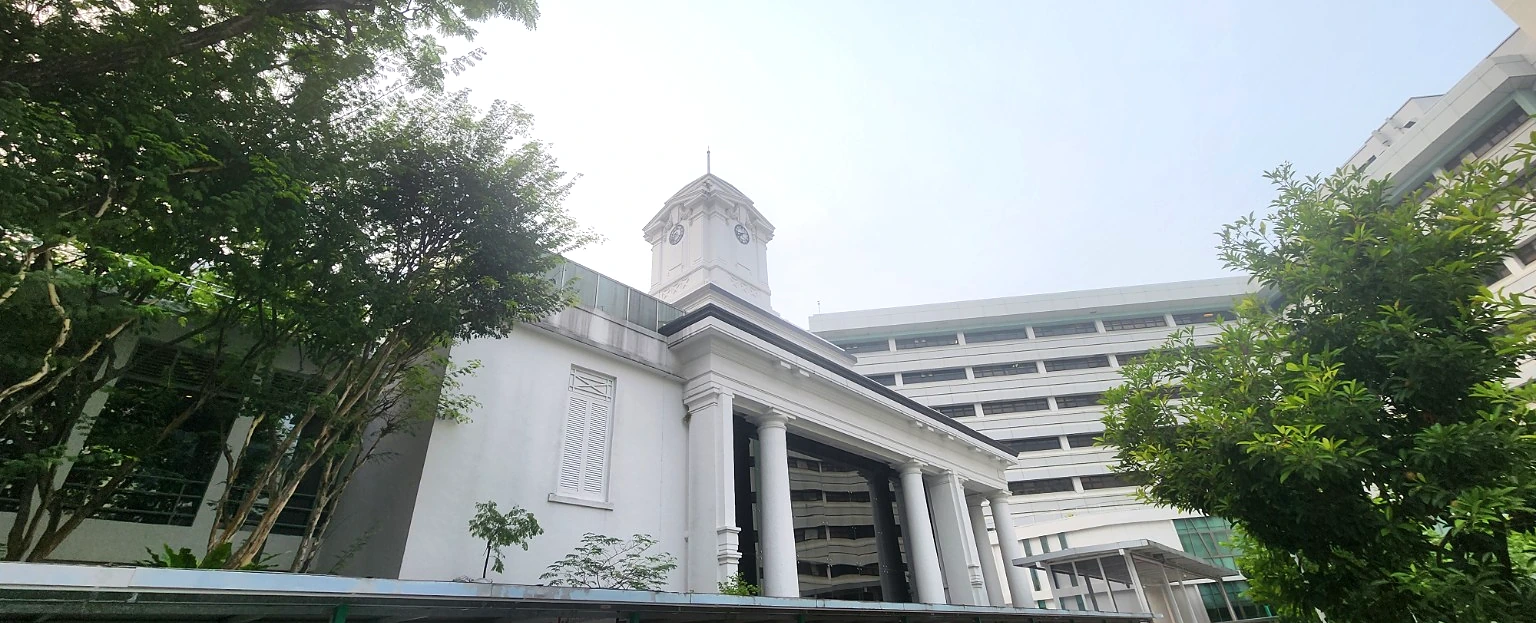
Victoria Theatre and Victoria Concert Hall in Singapore

Unearthing Singapore’s Heritage: A Journey Through Time

Unearthing Singapore’s heritage is a journey through identity.

Beneath the skyline of glass towers and modern infrastructure lies a living tapestry of cultures, traditions, and histories that shaped the nation. From conserved shophouses and colonial architecture to vibrant districts like Chinatown, Kampong Glam, and Little India, each space reflects resilience, diversity, and transformation.

Heritage in Singapore is not confined to museums or monuments. It lives in everyday rhythms — the conversations in multiple dialects at hawker centres, the rituals passed through generations, the shared celebrations of Deepavali, Hari Raya, and Chinese New Year. These moments form the cultural heartbeat of the city.

Institutions such as the National Museum of Singapore and the National Gallery Singapore deepen this understanding. Exhibitions like City of Others: Asian Artists in Paris, 1920s–1940s challenge conventional narratives and highlight overlooked perspectives. They remind us that Singapore’s story, too, is shaped by layered influences and evolving identities.

Some heritage spaces carry personal meaning. Haw Par Villa, once a childhood curiosity of mythical figures and moral tales, reveals deeper significance with time. What once seemed fantastical now reflects enduring lessons about values, consequence, and character. Heritage evolves as we do.

To unearth heritage is not to dwell in nostalgia. It is to understand who we are, where we came from, and how those foundations inform our future. Singapore’s story is still unfolding. The way we preserve, reinterpret, and honour our past will shape the legacy we pass on.

Looking Ahead: What Heritage Truly Means

Heritage is not a static archive of the past; it is a living continuum. As Singapore evolves, the question is not whether modernity replaces tradition, but how the two coexist. Our skyline may rise higher each decade, yet beneath it remains a foundation built on memory, migration, and shared experience.

Understanding heritage requires both reflection and participation. It invites us to move beyond admiration into stewardship — to see ourselves not merely as observers of history, but as contributors to its ongoing narrative.


Key Reflections

Heritage is living, not static
It thrives in daily rituals, spoken dialects, festive celebrations, and shared community spaces — not only in curated exhibits.

Museums and galleries deepen understanding
Institutions like the National Museum of Singapore and the National Gallery Singapore provide context, interpretation, and broader regional perspectives that enrich our appreciation.

Personal experiences give heritage meaning
Childhood memories at Haw Par Villa or encounters with exhibitions such as City of Others remind us that heritage evolves as we mature. Its lessons reveal themselves differently over time.

Preservation is collective responsibility
Safeguarding traditions, conserving built environments, and honouring cultural practices require shared commitment across generations.

Heritage shapes identity and direction
By understanding our foundations, we gain clarity about who we are  and confidence in where we are heading.


Singapore’s heritage is not about dwelling in nostalgia. It is about grounding progress in memory, aligning modern ambition with cultural continuity, and ensuring that development never disconnects us from identity.

Community Building Through Mindful Living 

Community Building Through Mindful Living: Creating Connection in Modern Singapore 

In today’s fast-paced and increasingly fragmented world especially here in bustling Singapore. The concept of community building has gained renewed significance for our well-being. Throughout my journey working with seniors and diverse communities across Singapore, I’ve witnessed firsthand how community building combined with mindful living creates powerful connections that enhance relationships, promote empathy, and nurture collective wellness.

The Essence of Community Building: What I’ve Learned 

At its core, community building is about creating spaces where people feel genuinely valued, heard, and supported. In my work facilitating senior wellness programs and community initiatives, I’ve learned that building strong communities involves intentional efforts to cultivate trust, collaboration, and mutual respect.

The key elements I always emphasize include open and honest communication, shared goals that unite us, genuine inclusivity that welcomes everyone, and active participation from all members. A strong community becomes more than just a group, it transforms into a vital support system offering emotional, social, and practical resources that help each member thrive.

Mindful Living: The Foundation for Authentic Connection 

Mindful living has become central to my approach in working with communities. It emphasizes awareness, presence, and intentionality in our everyday actions and interactions. I encourage individuals to be fully engaged in each moment, to listen deeply without judgment, and to respond thoughtfully rather than react impulsively.

This practice has profound effects: it fosters genuine empathy, reduces unnecessary conflict, and enhances our ability to regulate emotions. When community members practice mindfulness together as I’ve seen in my senior wellness classes they become more likely to appreciate diverse perspectives, communicate with authentic kindness, and contribute positively to the group dynamic.

The Powerful Connection Between Mindful Living and Community Building 

Through years of facilitating community programs in Singapore, I’ve observed how mindfulness strengthens communities in specific, measurable ways:

Enhanced Communication: Mindfulness helps individuals listen actively and speak thoughtfully. In my classes, I’ve watched how this simple shift strengthens understanding and dramatically reduces misunderstandings within the community.

Increased Empathy: By cultivating self-awareness and compassion, mindful living encourages members to genuinely appreciate others’ experiences and challenges. This creates naturally supportive environments where people feel safe to be vulnerable.

Constructive Conflict Resolution: Mindfulness promotes calmness and mental clarity, enabling communities to address conflicts constructively and find common ground. I’ve mediated many situations where mindful breathing alone transformed tense moments into opportunities for understanding.

Inclusivity and Acceptance: Being present and non-judgmental helps communities embrace diversity authentically. In Singapore’s multicultural landscape, this is particularly powerful mindfulness helps us create inclusive spaces where everyone feels welcome regardless of age, background, or ability.

Collective Well-being: Mindful practices contribute significantly to individual mental and emotional health, which in turn supports the resilience and vitality of the entire community. Healthy individuals build healthy communities.

Practical Steps I Use to Foster Community Building Through Mindful Living 

Based on my experience conducting wellness programs across Singapore, here are proven strategies that work:

Encourage Mindful Communication: I actively promote practices such as active listening exercises, reflective speaking circles, and intentional pauses during conversations. These simple techniques enhance clarity and deepen connection among participants.

Create Mindfulness Spaces: In my classes and community gatherings, I establish quiet areas or dedicated moments for meditation, reflection, or simple breathing exercises. Even five minutes can transform group energy.

Host Workshops and Events: I regularly organize sessions focused on practical mindfulness techniques, emotional intelligence development, and exploring shared community values. These create safe spaces for learning and growth.

Cultivate Shared Rituals: I help communities develop meaningful traditions that emphasize presence and gratitude whether it’s starting meetings with a moment of silence or ending classes with appreciation sharing. These rituals strengthen collective identity.

Lead by Example: As a facilitator, I embody mindful behavior in every interaction, setting a tone of respect, patience, and genuine attentiveness. I’ve learned that communities mirror the energy their leaders bring.

Real Impact: What I’ve Witnessed in Singapore Communities 

The transformation I’ve seen in Singapore’s senior communities through mindful living practices has been profound. Participants who initially felt isolated or lacked confidence have blossomed into engaged, supportive community members. I’ve watched strangers become friends, skeptics become advocates, and individuals discover renewed purpose through meaningful connection.

One participant told me, “Andrew, for the first time in years, I feel truly seen and heard.” That’s the power of mindful community building, it restores our fundamental human need for belonging.

Building Singapore’s Future Through Mindful Communities 

As Singapore continues to evolve as a bustling metropolis, the need for intentional community building becomes even more critical. Our fast-paced urban lifestyle can easily fragment us, but mindful living practices offer an antidote a way to slow down, connect authentically, and support one another.

My vision is to continue expanding these mindful community initiatives across Singapore, reaching not just seniors but people of all ages who seek deeper connection and purpose. Together, we can create neighborhoods and communities that are genuinely compassionate, resilient, and inclusive.

Key Insights from My Community Building Journey 

Community is intentional: Strong connections don’t happen accidentally they require conscious effort, commitment, and mindful practices.

Mindfulness transforms relationships: Simple practices like active listening and present-moment awareness dramatically improve how we relate to others.

Everyone benefits: Mindful community building enhances both individual well-being and collective resilience simultaneously.

Start small, think big: Even brief mindfulness moments during gatherings can spark significant positive changes in group dynamics.

Leadership matters: When facilitators and community leaders model mindful behavior, it naturally spreads throughout the group.

Inclusivity is essential: Mindful, non-judgmental awareness helps communities embrace diversity and create truly welcoming spaces.

Well-being is collective: Individual mental and emotional health directly impacts community vitality we thrive together or struggle together.

Core message from Andrew Koh: Community building through mindful living is more than just a strategy or program, it’s a way of being that honors our fundamental interconnectedness as human beings. By integrating mindfulness into how we gather, communicate, and support one another, we create environments that are genuinely compassionate, resilient, and inclusive. This approach doesn’t just enhance individual well-being. It cultivates a shared sense of purpose and belonging that’s essential for thriving communities in modern Singapore and beyond. I’m honored to continue this mission, one mindful moment and meaningful connection at a time.


Andrew Koh leading senior community wellness and active ageing session in Singapore


Wrapping Up with Key Insights Key Insights

The Bigger Picture: Community building through mindful living is not a one-time effort but a lifelong practice that fosters belonging and collective well-being in an increasingly fragmented world.

Community thrives on connection: Intentional trust, respect, and inclusivity form the foundation of a supportive network.

Mindfulness strengthens bonds: Practicing awareness, empathy, and presence fosters deeper understanding and reduces conflict.

Synergy in action: When mindful living and community building merge, they create spaces where individuals feel safe, valued, and motivated to contribute.

Practical pathways: Small, consistent practices such as mindful communication, shared rituals, and reflective gatherings can transform groups into resilient, compassionate communities.

Healthy Senior Living in the Bustling City of Singapore

Healthy Aging in Singapore: Supporting Seniors Through Preventive Care Education 

Living in a vibrant, fast-paced city like Singapore comes with unique challenges, especially when it comes to maintaining a healthy lifestyle for our aging population. As Singapore continues to grow and modernize, the need to focus on senior health and well-being becomes increasingly critical. Andrew Koh, a dedicated advocate for senior wellness, has been at the forefront of conducting specialized classes designed to raise the self-efficacy and confidence of Singapore’s seniors empowering them to age well and live well in our urban environment.

The Challenge of Singapore’s Aging Population 

Singapore is experiencing a significant demographic shift with a rapidly increasing senior population. By 2030, one in four Singaporeans will be aged 65 and above. This trend brings the necessity of proactive measures to ensure that our elderly residents can enjoy a high quality of life, remain independent, and age gracefully.

Healthy aging requires more than just medical interventions, it demands holistic support that encourages regular physical activity, mental wellness, proper nutrition, and meaningful social engagement. Addressing these needs early through preventive care education is essential for building a resilient aging community.

Andrew Koh’s Mission: Empowering Seniors Through Education 

Andrew Koh has dedicated himself to a meaningful initiative aimed at training and guiding seniors across Singapore. Through hands-on classes and workshops, he focuses on raising self-efficacy and building confidence among elderly participants two critical factors that directly impact successful aging.

His approach recognizes that empowered seniors who believe in their abilities are more likely to adopt healthy behaviors, stay physically active, manage chronic conditions effectively, and maintain independence longer. This personal journey in supporting seniors has been both enlightening and inspiring, reinforcing the vital importance of preventive care as a long-term community mission.

Collaborative Efforts for a Healthier Senior Community 

Working alongside healthcare professionals, community leaders, government agencies like the Health Promotion Board (HPB), and Active Aging Centres, these collaborative efforts focus on equipping seniors with practical knowledge and skills for active, independent living.

Comprehensive training sessions include exercise programs tailored to various fitness levels and mobility capabilities, interactive workshops on nutrition for seniors, evidence-based guidance on managing chronic conditions like diabetes and hypertension through lifestyle modifications, and fall prevention strategies that reduce injury risk.

The Critical Role of Preventive Care Education for Seniors 

Preventive care education forms the cornerstone of Singapore’s healthy aging mission. By educating seniors on how to prevent illnesses and proactively maintain their health, we simultaneously reduce strain on healthcare systems while empowering individuals to take charge of their well-being.

Key educational topics include fall prevention techniques and home safety assessments, healthy eating habits and dietary planning for older adults, stress management and mental wellness strategies, chronic disease management through lifestyle interventions, and medication adherence and health monitoring best practices.

These preventive measures significantly improve quality of life, reduce hospitalizations, and help seniors maintain functional independence well into their golden years.

Living Actively in Singapore’s Urban Environment 

Despite the hustle and bustle of city life, Singapore offers abundant opportunities for seniors to stay active and engaged. Well-maintained parks like Bishan-Ang Mo Kio Park and East Coast Park, Senior Activity Centres and Active Aging Hubs throughout HDB estates, community centers offering subsidized fitness classes, barrier-free recreational facilities designed for accessibility, and outdoor exercise equipment specifically designed for elderly users provide safe, welcoming spaces for physical activity and social connection.

Andrew Koh’s programs actively encourage seniors to utilize these community resources, fostering a strong sense of belonging and combating social isolation, a significant health risk for elderly populations.

Building Self-Efficacy and Confidence in Seniors 

A distinctive aspect of Andrew Koh’s approach is his emphasis on building self-efficacy—the belief in one’s ability to succeed in specific situations. Research consistently shows that seniors with higher self-efficacy experience better health outcomes, greater physical activity levels, improved mental health, and enhanced quality of life.

Through progressive skill-building, positive reinforcement, peer support networks, and achievable goal-setting, participants gain confidence in their physical capabilities and develop sustainable healthy habits. This psychological empowerment is just as important as physical training in supporting successful aging.

Looking Ahead: A Sustainable Long-Term Commitment

This journey has reinforced the belief that healthy aging in Singapore’s urban landscape is achievable with appropriate support, education, and community infrastructure. The challenge of supporting an aging population is ongoing and requires sustained commitment from all sectors, government agencies, healthcare providers, community organizations, family caregivers, and seniors themselves.

Andrew Koh remains honored to contribute to this long-term mission, working toward a future where every senior in Singapore can enjoy an active, healthy, and fulfilling life with dignity and independence.

Key Takeaways: Healthy Aging in Singapore 

Demographic urgency: Singapore’s rapidly aging population demands immediate, comprehensive preventive care initiatives.

Education empowers: Preventive health education gives seniors practical tools to manage their own wellness effectively.

Self-efficacy matters: Building confidence and belief in one’s abilities dramatically improves health outcomes for elderly individuals.

Collaboration is essential: Success requires partnerships between healthcare providers, government, communities, and families.

Urban resources abound: Singapore’s parks, community centers, and programs provide accessible opportunities for active aging.

Holistic approach works best: Physical health, mental wellness, nutrition, and social connection must all be addressed together.

Long-term commitment required: Sustainable support for seniors demands ongoing effort, not one-time interventions.

Core insight: Through dedicated initiatives like Andrew Koh’s senior wellness classes, combined with collaboration, preventive education, and community engagement, Singapore can build a resilient society that values and effectively supports healthy aging. Together, we can ensure that every senior has the confidence, resources, and support needed to age well and live well in the heart of our bustling city.