



Exploring Singapore’s Future Through Its Past

Exploring Singapore’s Future Through Its Past: Heritage, Innovation, and Vision 

Singapore is a city-state that seamlessly blends tradition with modernity, creating a unique narrative that continues to captivate the world. To understand Singapore’s future trajectory and ambitious smart nation goals, it is essential to explore its rich history and the foundational values that have shaped its remarkable transformation from a humble trading port to a global hub of innovation and prosperity.

A Journey Rooted in History: Singapore’s Multicultural Foundation 

From its establishment as a British trading port in 1819 by Sir Stamford Raffles, Singapore has been a dynamic melting pot of cultures, ideas, and ambitions. Early settlers and immigrants from China, India, the Malay Archipelago, and beyond brought diverse customs, languages, and traditions, laying the groundwork for Singapore’s multicultural society.

This ethnic and cultural diversity remains a cornerstone of Singapore’s national identity today. The harmonious coexistence of different communities has fostered social cohesion, creative innovation, and economic dynamism, qualities that continue to define Singapore’s competitive advantage in the global marketplace.

Lessons from Challenges Overcome: Resilience and Pragmatism 

Singapore’s history is fundamentally marked by resilience in the face of seemingly insurmountable obstacles. With virtually no natural resources, limited land area, geopolitical uncertainties, and initial economic hardships following independence in 1965, the young nation faced an uncertain future.

However, Singapore adopted pragmatic and forward-thinking policies under visionary leadership. The remarkable success of its public housing initiatives (HDB estates housing over 80% of the population), world-class education system, and strategic economic diversification all stem from lessons learned during these formative years. These challenges taught Singapore the importance of meritocracy, long-term planning, continuous adaptation, and investing in human capital principles that remain central to national policy today.

Preserving Heritage Amidst Rapid Progress 

While gleaming skyscrapers and cutting-edge technological infrastructure symbolize Singapore’s remarkable progress, the careful preservation of heritage sites and cultural practices illustrates a deep commitment to honoring the past while building the future.

Historic neighborhoods like Chinatown, Little India, Kampong Glam, and Katong serve as living museums and cultural anchors, educating both residents and international visitors about the city’s diverse origins. Conservation efforts for colonial architecture, traditional shophouses, and heritage temples demonstrate that Singapore’s vision of progress includes safeguarding cultural memory and identity for future generations.

Singapore skyline at Marina Bay featuring Marina Bay Sands and Gardens by the Bay at night

Marina Bay skyline symbolising Singapore’s transformation into a global city.

Shaping the Future with Historical Insights 

Singapore’s ambitious future goals becoming a leading smart nation, advancing environmental sustainability, developing a knowledge-based economy, and fostering inclusive social cohesion are deeply informed by historical experiences and proven values.

The national emphasis on adaptability in changing global conditions, inclusivity across diverse communities, innovation-driven solutions, and strong community engagement directly reflects principles cultivated over decades of nation-building. Singapore’s past teaches that sustainable success requires balancing economic growth with social equity, technological advancement with cultural preservation, and global competitiveness with local rootedness.


From Past to Future: Singapore’s Continuous Evolution 

Understanding how Singapore’s past informs its future reveals several key patterns. The nation’s ability to turn limitations into opportunities transforming water scarcity into world-leading water technology, or limited land into vertical urban innovation demonstrates creative problem-solving rooted in historical necessity.

Similarly, Singapore’s commitment to education, skills development, and lifelong learning reflects lessons from its resource-poor beginnings: human capital is the nation’s greatest asset. As Singapore navigates emerging challenges like climate change, aging demographics, and technological disruption, it draws on this historical playbook of pragmatism, foresight, and social cohesion.

Key Insights: Connecting Singapore’s Past and Future 

Heritage shapes identity: Singapore’s multicultural foundation continues to drive innovation, creativity, and global connectivity in the modern era.

Resilience through adversity: Historical challenges taught pragmatic problem-solving and long-term thinking that guide current smart nation initiatives.

Balance is essential: Preserving cultural heritage while embracing technological progress creates a distinctive Singaporean model of development.

Values remain constant: Meritocracy, inclusivity, adaptability, and community engagement proven over decades, continue to steer national policy.

Human capital matters most: Investment in education and skills, born from resource scarcity, remains Singapore’s competitive advantage.

Innovation with purpose: Future ambitions in sustainability and smart technology reflect historical lessons about turning constraints into opportunities.

Core takeaway: Exploring Singapore’s past offers invaluable insights into the principles guiding its future. By embracing its history, Singapore not only preserves its unique identity but also creates a roadmap for continued innovation, sustainable growth, and social harmony. Understanding this deep connection between past and future enhances appreciation of Singapore as a dynamic city-state that honors its roots while confidently reaching toward tomorrow.


How Heritage Shapes Modern Singapore Living

How Heritage Shapes Modern Singapore Living: Culture, Identity, and Urban Life 

Singapore is globally renowned for its futuristic skyline, cutting-edge technology, and dynamic urban lifestyle. Yet beneath this modern facade lies a rich tapestry of cultural heritage that profoundly shapes the city-state’s identity, community values, and daily living experiences. Understanding how Singapore’s heritage influences contemporary life offers deeper appreciation of its unique multicultural society, resilient communities, and forward-looking vision that balances tradition with innovation.

A Living Melting Pot: How Cultural Diversity Shapes Daily Life 

Singapore’s heritage represents a vibrant blend of diverse ethnicities primarily Chinese, Malay, Indian, and Eurasian communities, each contributing essential threads to the nation’s cultural fabric. This multiculturalism isn’t merely celebrated during annual festivals; it’s authentically woven into the everyday experience of modern Singapore living.

From bustling hawker centers offering authentic ethnic cuisines from multiple cultures to traditional practices, languages, and customs actively preserved in residential neighborhoods, heritage remains a living, breathing force. The kampong spirit of community care and mutual support rooted in Singapore’s village past continues to influence how neighbors interact in modern HDB estates, creating the unique social cohesion that defines Singaporean life today.

Heritage-Conscious Urban Planning: Preserving the Past While Building the Future 

Despite Singapore’s reputation for rapid modernization and urban development, the nation places exceptional emphasis on preserving historical sites and thoughtfully integrating them into contemporary city planning. This heritage-conscious approach shapes how modern Singapore living spaces are designed and experienced.

Historic districts like Chinatown, Little India, Kampong Glam, and Katong showcase seamless integration of old and new, where meticulously conserved heritage buildings stand proudly alongside gleaming modern skyscrapers. The Urban Redevelopment Authority’s (URA) extensive conservation efforts ensure these culturally significant areas retain their authentic charm and character, offering residents and visitors meaningful glimpses into Singapore’s rich past while serving as vibrant, functional neighborhoods today.

This intentional preservation creates unique living environments where heritage enhances rather than constrains modern urban life, contributing to Singapore’s distinctive character among global cities.

Architecture and Design: Traditional Influences in Modern Spaces 

Modern Singaporean architecture frequently draws inspiration from traditional architectural motifs, styles, and cultural values, demonstrating how heritage actively shapes contemporary design philosophy. Public housing developments by the Housing & Development Board (HDB) home to over 80% of Singapore’s population—exemplify this fusion approach.

While highly functional, innovative, and modern, HDB estates intentionally incorporate communal void decks, community gardens, and shared gathering spaces that foster neighborly interactions reminiscent of earlier kampong (village) life. This design philosophy keeps the heritage value of community connection alive in high-rise living.

Iconic Peranakan shophouses with their intricate tile work, ornate facades, and vibrant colors are cherished heritage symbols that continue to influence contemporary residential and commercial design aesthetics. Modern architects regularly incorporate traditional elements—decorative screens (jali work), five-foot ways (covered walkways), courtyards, and natural ventilation principles creating spaces that honor Singapore’s architectural heritage while meeting modern living needs.

Culinary Heritage: How Food Traditions Shape Modern Singapore Living

Food represents perhaps the most tangible, daily way heritage shapes modern living in Singapore. The city-state’s legendary hawker culture recognized by UNESCO as Intangible Cultural Heritage testifies to the preservation and vibrant celebration of culinary traditions passed down through multiple generations.

Hawker centers serve as democratic social spaces where Singaporeans from all backgrounds gather, embodying the multicultural heritage that defines national identity. Traditional dishes like chicken rice, laksa, char kway teow, roti prata, and satay aren’t museum pieces but living heritage enjoyed daily by millions.

Modern chefs, food entrepreneurs, and home cooks continue reinventing traditional recipes, thoughtfully blending heritage recipes with contemporary techniques, innovative presentations, and fusion concepts. This dynamic evolution keeps culinary heritage alive, relevant, and central to Singapore’s modern lifestyle and international reputation as a global food capital.

Festivals and Community Life: Heritage as Social Glue 

Cultural and religious festivals—Chinese New Year, Hari Raya Puasa, Deepavali, Thaipusam, Christmas, and Vesak Day are far more than public holidays in modern Singapore. They represent vital expressions of living heritage that actively foster community spirit, social cohesion, and cultural continuity across generations.

These celebrations bring diverse communities together in shared public spaces, markets, and neighborhoods, reinforcing collective Singaporean identity while educating younger generations about their cultural roots and values. The government’s support for multicultural celebrations through public decorations, cultural performances, and community events demonstrates how heritage preservation is institutionalized in modern Singapore living.

This ongoing celebration of diverse heritage traditions contributes to the religious and racial harmony that distinguishes Singapore, creating a modern urban environment where multiple traditions coexist peacefully and enrich communal life.

Heritage as Innovation Catalyst: Tradition Inspiring Progress 

Remarkably, heritage in Singapore doesn’t hinder technological progress or economic development rather, it actively inspires creative innovation. The deep respect for cultural tradition coexists productively with an ambitious drive for modernization, generating unique solutions that honor the past while confidently embracing the future.

This dynamic interplay between heritage preservation and innovation is evident across multiple sectors: fashion designers incorporating traditional batik patterns and peranakan motifs into contemporary collections, artists blending traditional crafts with digital media, sustainable urban development projects adapting traditional passive cooling and natural ventilation principles, and social enterprises revitalizing heritage trades and crafts for modern markets.

Singapore’s ability to leverage heritage as an innovation asset rather than viewing it as a constraint represents a sophisticated understanding of how cultural identity strengthens rather than limits national competitiveness in the global economy.

Heritage Neighborhoods: Where History Meets Modern Living 

Singapore’s heritage conservation districts aren’t static museums but vibrant, evolving neighborhoods where history actively shapes contemporary urban living experiences:

Chinatown blends traditional medicine halls, temples, and clan associations with trendy cafes, boutique hotels, and modern workspaces, creating a dynamic environment where heritage and innovation coexist.

Little India maintains its authentic character through traditional shops, temples, and cultural institutions while adapting to modern commercial needs and serving as a cultural anchor for Singapore’s Indian community.

Kampong Glam preserves Malay-Muslim heritage through the iconic Sultan Mosque, traditional crafts, and cultural businesses while evolving into a creative hub for independent designers, artists, and entrepreneurs.

These heritage districts demonstrate how thoughtful conservation creates unique value in modern Singapore living offering distinctive experiences, cultural authenticity, and community identity that generic modern developments cannot replicate.

Key Insights: Heritage’s Role in Modern Singapore Living 

Cultural diversity enriches daily life: Singapore’s multicultural heritage creates unique living experiences found nowhere else, from food diversity to multilingual environments.

Urban planning honors the past: Conservation districts and heritage integration demonstrate that modernization and preservation aren’t opposites but complementary strategies.

Architecture bridges generations: Traditional design principles and motifs continue influencing modern buildings, creating spaces that feel distinctively Singaporean.

Food connects communities: Hawker culture and culinary traditions serve as daily reminders of heritage’s living presence in modern life.

Festivals strengthen social bonds: Regular cultural celebrations maintain community cohesion and educate younger generations about their heritage.

Heritage drives innovation: Respect for tradition inspires creative solutions across fashion, arts, urban development, and social enterprise sectors.

Identity anchors progress: Cultural heritage provides the stable foundation enabling Singapore to modernize rapidly while maintaining distinctive character.

Community spirit endures: The kampong values of mutual care and neighborliness persist in modern HDB living, shaped by historical community traditions.

Core insight: Heritage is the cornerstone upon which modern Singapore is built. It profoundly enriches the city’s character, thoughtfully informs development decisions, and nurtures deep belonging among its diverse people. By actively valuing and creatively integrating cultural roots into contemporary life, Singapore continues thriving as a vibrant, inclusive, and forward-thinking nation. Understanding this essential connection between heritage and modern living not only enhances appreciation of Singapore’s unique model but also offers valuable global insights into how tradition can harmoniously coexist with rapid progress, creating urban environments that are simultaneously cutting-edge and culturally grounded.


Victoria Theatre and Victoria Concert Hall in Singapore

Victoria Theatre and Victoria Concert Hall — one of Singapore’s iconic heritage landmarks.

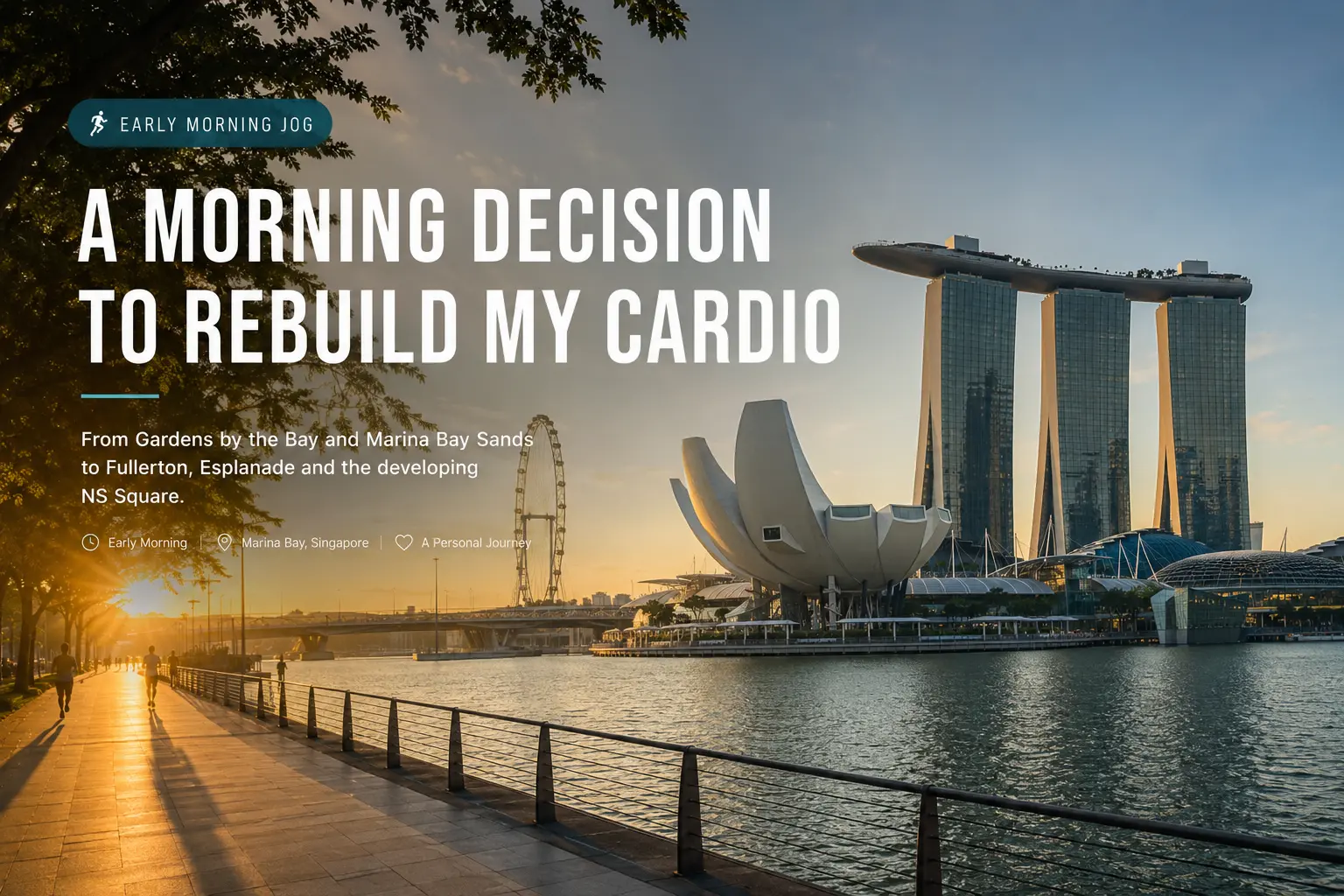
Singapore Marina Bay skyline at sunset featuring Marina Bay Sands and ArtScience Museum

Wrapping Up with Key Insights: Heritage as Singapore’s Living Foundation

Core takeaway: Singapore thrives precisely because it treasures its rich cultural heritage while boldly innovating for the future creating a dynamic society that is simultaneously vibrant, genuinely inclusive, deeply rooted in tradition, and confidently future-ready. This unique balance between honoring the past and embracing progress defines the Singapore model of modern urban living.

Heritage shapes collective identity: Singapore’s multicultural roots Chinese, Malay, Indian, and Eurasian communities remain deeply woven into the fabric of daily life, influencing everything from the food we eat and languages we speak to festivals we celebrate and values we uphold across generations.

Masterful balance of old and new: The thoughtful conservation of historical sites, heritage districts, and traditional architecture alongside cutting-edge modern skyscrapers reflects profound respect for the past while confidently embracing technological and economic progress proving that preservation and development aren’t contradictory but complementary.

Heritage embedded in design and living: From kampong-inspired communal void decks in modern HDB estates to meticulously preserved iconic Peranakan shophouses with their intricate facades, traditional cultural influences and architectural principles continue actively inspiring contemporary urban planning, creating distinctively Singaporean living spaces.

Food as vibrant living heritage: Singapore’s UNESCO-recognized hawker culture and continuously reinvented traditional dishes keep precious culinary traditions alive and relevant, authentically bridging generations while adapting to modern tastes—making heritage something enjoyed daily, not merely preserved in museums.

Festivals as essential community glue: Major cultural celebrations like Chinese New Year, Hari Raya Puasa, Deepavali, and Thaipusam do more than mark calendars they actively sustain cultural continuity, educate younger generations about their roots, strengthen social cohesion, and reinforce Singapore’s unique multicultural unity.

Tradition actively fuels innovation: Heritage in Singapore is not a constraint or barrier to progress but rather a powerful catalyst for creativity and innovation across diverse sectors including arts, fashion design, sustainable urban development, social enterprises, and cultural tourism—demonstrating how deep cultural roots enable rather than limit forward momentum.

Preservation creates competitive advantage: Singapore’s commitment to integrating heritage into modern living creates unique value that generic modernization cannot replicate distinctive neighborhoods, authentic cultural experiences, strong community identity, and social cohesion that enhance quality of life and global competitiveness.

Final reflection: Understanding how heritage shapes modern Singapore living reveals an essential truth: the most successful cities don’t abandon their past to build their future—they skillfully weave cultural memory, traditional values, and historical identity into the fabric of contemporary life. Singapore’s ability to honor its diverse heritage while pioneering innovation offers a valuable blueprint for urban development worldwide, proving that tradition and progress, when thoughtfully integrated, create communities that are not only economically successful but also culturally rich, socially cohesive, and deeply meaningful places to call home.