Singapore skyline at dusk, reflecting the city's blend of heritage, modern living and long term growth

Singapore Real Estate Evolution: Blending Human Connection with Cutting-Edge Technology to Redefine the Market

The Evolution of Real Estate in Singapore: From Colonial Era to Smart City 

Singapore’s real estate landscape has undergone a remarkable transformation over the decades, mirroring the city-state’s rapid economic growth and urban development. From humble beginnings as a strategic trading port to becoming a global property hub, the evolution of real estate in Singapore offers fascinating insights into visionary urban planning, progressive policies, and dynamic market forces. Today’s market is vastly different from the past—traditional methods of simply listing properties and waiting for buyers no longer suffice. Success now hinges on a strong human connection combined with technology-driven insights and rapid, precise collaboration.

Early Beginnings: Colonial Era and Post-War Development 

In the early 19th century, Singapore was a strategic trading port under British colonial rule. Real estate was primarily concentrated around the port and the central business district, with colonial-style shophouses and warehouses dominating the skyline. Residential areas were limited, and much of the population lived in kampongs (traditional villages) or simple terrace houses.

After World War II, Singapore faced severe housing shortages due to rapid population growth and urban migration. The government took decisive steps to address these challenges, marking the beginning of large-scale public housing initiatives that would fundamentally reshape the nation’s real estate landscape.

The Rise of Public Housing: HDB’s Transformative Role 

The Housing & Development Board (HDB), established in 1960, revolutionized Singapore’s real estate sector by providing affordable, quality public housing to the masses. HDB flats, built with efficiency and durability in mind, helped eradicate squatter settlements and dramatically improved living standards for millions of Singaporeans.

Over the decades, HDB estates evolved from basic housing blocks into vibrant, self-contained neighborhoods complete with essential amenities like schools, parks, healthcare facilities, and shopping centers. This integrated approach fostered strong community bonds and created a uniquely Singaporean living experience that remains the foundation of the nation’s housing success story.

Private Property Market: Luxury, Innovation, and Growth 

Parallel to public housing development, Singapore’s private property market flourished, particularly from the 1980s onwards. The government introduced carefully calibrated policies to regulate the market, ensuring sustainable growth while preventing speculative bubbles that plagued other Asian economies.

Singapore became internationally renowned for innovative architecture and integrated developments that seamlessly combine residential, commercial, and recreational spaces. Iconic projects like Marina Bay Sands, the Pinnacle@Duxton, and Reflections at Keppel Bay exemplify the city-state’s architectural ambition and design excellence, attracting global investors and establishing Singapore as a premier real estate destination.

The Digital Transformation: Technology Reshaping Real Estate 

With over 36,058 salespersons operating in Singapore today, competition in the real estate industry is fierce. Leading property portals such as PropertyGuru, 99.co, EdgeProp, and SRX are continuously evolving to stay relevant by integrating advanced data analytics, virtual tours, AI-powered property matching, and user-friendly platforms.

The role of real estate agents is fundamentally shifting from traditional commission-based salespeople to service-oriented advisors who prioritize client needs. Modern agents leverage technology to provide personalized, efficient, and transparent experiences—combining CRM systems, market analytics, and digital marketing tools with the irreplaceable human touch that builds trust and long-term relationships.

Smart Urban Planning and Sustainability 

In recent years, Singapore has embraced smart urban planning and environmental sustainability as core pillars of real estate development. The Urban Redevelopment Authority (URA) focuses on creating liveable, green, and well-connected spaces that enhance quality of life while minimizing environmental impact.

Key initiatives include stringent green building standards (Green Mark certification), smart home technologies, vertical greenery integration, and efficient public transportation links seamlessly connected with residential and commercial developments. These forward-thinking approaches position Singapore as a global leader in sustainable urban development.

Challenges and Future Outlook 

Despite its impressive successes, Singapore’s real estate market faces ongoing challenges including land scarcity, housing affordability concerns, an aging population, and changing demographic preferences. The government continues to implement cooling measures to maintain market stability and explores innovative solutions such as underground developments, reclaimed land projects, and higher-density mixed-use developments.

Looking ahead, Singapore aims to balance continued growth with enhanced quality of life. The future of real estate lies in leveraging artificial intelligence, blockchain for property transactions, advanced building technologies, and sustainable practices to maintain the nation’s status as a global real estate leader while ensuring homes remain accessible to all Singaporeans.

Key Takeaways: Singapore’s Real Estate Journey 

Visionary planning matters: From HDB’s establishment to URA’s masterplans, strategic government intervention shaped Singapore’s property success.

Public-private balance: The coexistence of affordable HDB housing and premium private developments creates a comprehensive real estate ecosystem.

Innovation drives growth: Architectural excellence and integrated developments distinguish Singapore in the global property market.

Technology transforms the industry: Digital platforms, data analytics, and service-oriented agents define modern real estate practice.

Sustainability is essential: Green building standards and smart urban planning ensure long-term livability in a land-scarce environment.

Adaptation is continuous: From colonial shophouses to smart homes, Singapore’s ability to evolve keeps its real estate sector competitive.

Core insight: The evolution of real estate in Singapore is a testament to visionary planning, technological adaptability, and resilience—transforming a small island into a dynamic, sustainable metropolis where real estate remains a vital pillar of growth and innovation.

Bridging Tradition and Innovation: The Human-Tech Partnership 

As Singapore’s real estate market continues its digital transformation, an important question emerges: Will technology replace the human element that has long defined successful property transactions? The answer lies in understanding that technology and personal connection are not opposing forces but complementary strengths. While advanced platforms can analyze thousands of data points in seconds, they cannot replicate the empathy needed to understand a family’s dream home or the trust required to navigate complex negotiations. Smart agents recognize this balance—using AI to identify the best properties while leveraging their relationship skills to guide clients through emotional decisions. This synergy between innovation and human values represents the true evolution of Singapore’s real estate sector, where efficiency meets emotional intelligence, and where data-driven insights enhance rather than diminish the personal advisory role that clients value most.

Wrapping Up with Key Insights 

Human connection remains central: Trust, empathy, and personalized service continue to define successful real estate transactions, with technology serving to strengthen—not replace—meaningful client relationships.

Tech-powered transformation: AI-driven analytics, virtual reality tours, blockchain transactions, and Big Data are streamlining processes, improving transparency, and enabling smarter decision-making for buyers, sellers, and investors.

Smart and sustainable living: IoT-enabled smart homes and eco-friendly green developments reflect Singapore’s commitment to innovation and environmental sustainability in urban living.

Data-driven advantage: Advanced analytics provide accurate property valuations, demand forecasting, and investment insights, empowering both consumers and real estate professionals to make informed decisions.

Balancing challenges: While issues like data privacy concerns and digital inequality exist, Singapore’s strong regulatory frameworks and educational initiatives help ensure inclusivity, security, and trust across the market.

The future outlook: The fusion of human values with cutting-edge technology is setting new global benchmarks—making Singapore’s real estate market more customer-centric, efficient, transparent, and future-ready.

Core insight: Singapore’s real estate evolution demonstrates that the most successful approach combines the best of both worlds—leveraging technology for efficiency and insights while maintaining the irreplaceable human touch that turns transactions into trusted relationships and houses into homes.

Smart and Simple Wellness Tips for Thriving in the City

Living in Singapore’s bustling urban environment presents unique wellness challenges, but practical strategies can help city dwellers maintain their health and well-being. While the metropolis offers many conveniences—from efficient public transport to abundant dining options—urban living also brings challenges such as stress, limited green spaces, and a fast-paced lifestyle. Here are essential wellness tips tailored for Singapore’s urban dwellers to help you stay balanced and healthy.

1. Embrace Outdoor Activities in Green Spaces 

Despite being a highly urbanized city-state, Singapore boasts numerous parks, gardens, and nature reserves. The Singapore Botanic Gardens, East Coast Park, and MacRitchie Reservoir offer excellent opportunities for walking, jogging, cycling, or simply unwinding in nature. Regular exposure to green environments has been proven to reduce stress, improve mental well-being, and counteract sedentary office routines common in urban workplaces.

2. Incorporate Mindfulness into Your Daily Routine

Mindfulness practices such as meditation, deep-breathing exercises, and yoga can help combat the mental fatigue caused by city noise and hectic schedules. You can join classes at community centres or wellness studios, or use mobile apps to practice mindfulness anytime, anywhere. These practices are particularly effective in reducing stress from Singapore’s fast-paced city life.

3. Prioritize Healthy Eating Habits 

Singapore’s food scene is vibrant, but it can be tempting to indulge in processed or fast foods. Make a conscious effort to include more fresh fruits, vegetables, whole grains, and lean proteins in your meals. Hawker centres offer many healthy, budget-friendly options like fish soup, yong tau foo, and vegetable rice dishes. Choosing fresh local produce supports both your nutrition and wallet.

4. Stay Hydrated and Manage Air Quality Exposure 

Singapore’s tropical climate means it’s easy to get dehydrated, so always carry a water bottle with you. Additionally, urban air pollution can impact respiratory health. Consider monitoring the air quality index (AQI) through apps or websites, and avoid outdoor activities during haze episodes or high pollution days to protect your lungs.

5. Establish a Consistent Sleep Schedule 

City life can disrupt sleep patterns due to artificial lighting and round-the-clock activity. Maintaining adequate sleep despite noise and light pollution is crucial for overall wellness. Establish a regular sleep routine by going to bed and waking up at consistent times. Create a calming pre-sleep environment by reducing screen time and noise—blackout curtains and white noise machines can significantly improve sleep quality in urban settings.

6. Connect with Community and Social Networks 

Urban living can sometimes feel isolating despite being surrounded by millions of people. Engage in community events, join clubs or interest groups, and spend quality time with family and friends. Fostering social connections through these activities helps build a support network, enhancing emotional resilience and overall wellness in the urban landscape.

7. Utilize Technology for Health Monitoring 

Leverage wearable devices and health apps to track your physical activity, sleep patterns, and nutrition. Setting achievable wellness goals and monitoring your progress can motivate you to maintain healthy habits amidst a busy urban lifestyle. Technology makes it easier to stay accountable and notice positive changes over time.

Conclusion: Building Your Urban Wellness Routine

Wellness in an urban environment like Singapore requires intentional choices and consistent habits. By integrating these practical tips into your daily life, you can enjoy the vibrancy of city living while nurturing your physical and mental health. Remember, small consistent steps lead to significant improvements in your overall well-being. Start with one or two strategies today, and gradually build a comprehensive wellness routine that works for your urban lifestyle.

Balancing Urban Convenience with Personal Wellness

As you navigate Singapore’s urban lifestyle, it’s important to recognize that wellness isn’t about perfection—it’s about making intentional choices that fit your unique circumstances. While city living presents challenges like limited time and environmental stressors, it also offers unparalleled access to fitness facilities, diverse food options, and community resources. The key is finding what works for you: perhaps starting with weekend park visits before incorporating weekday mindfulness breaks, or gradually replacing processed meals with healthier hawker choices. Many urban dwellers worry that wellness requires major lifestyle overhauls, but sustainable change often comes from small, consistent adjustments. By building these habits gradually, you create a foundation for long-term health that adapts to Singapore’s dynamic urban environment.

Wrapping Up with Key Insights 

Green spaces matter: Parks and nature reserves offer urban dwellers vital opportunities to stay active and reduce stress.

Mindfulness as balance: Simple practices like meditation, breathing exercises, or yoga help counter the mental fatigue of city living.

Smart eating choices: Amid Singapore’s rich food culture, opting for healthier hawker meals supports long-term nutrition and well-being.

Sleep and rest are essentials: Managing noise, light pollution, and screen time improves sleep quality despite urban distractions.

Hydration and air quality: Staying hydrated and monitoring haze conditions protect physical health in Singapore’s tropical climate.

Community connections: Social ties built through clubs, events, and family interactions strengthen emotional resilience.

Tech as a tool: Wearables and health apps can guide and motivate consistent healthy habits in busy schedules.

Core takeaway: Wellness in Singapore’s fast-paced environment is achievable through small, intentional lifestyle choices that balance body, mind, and community.

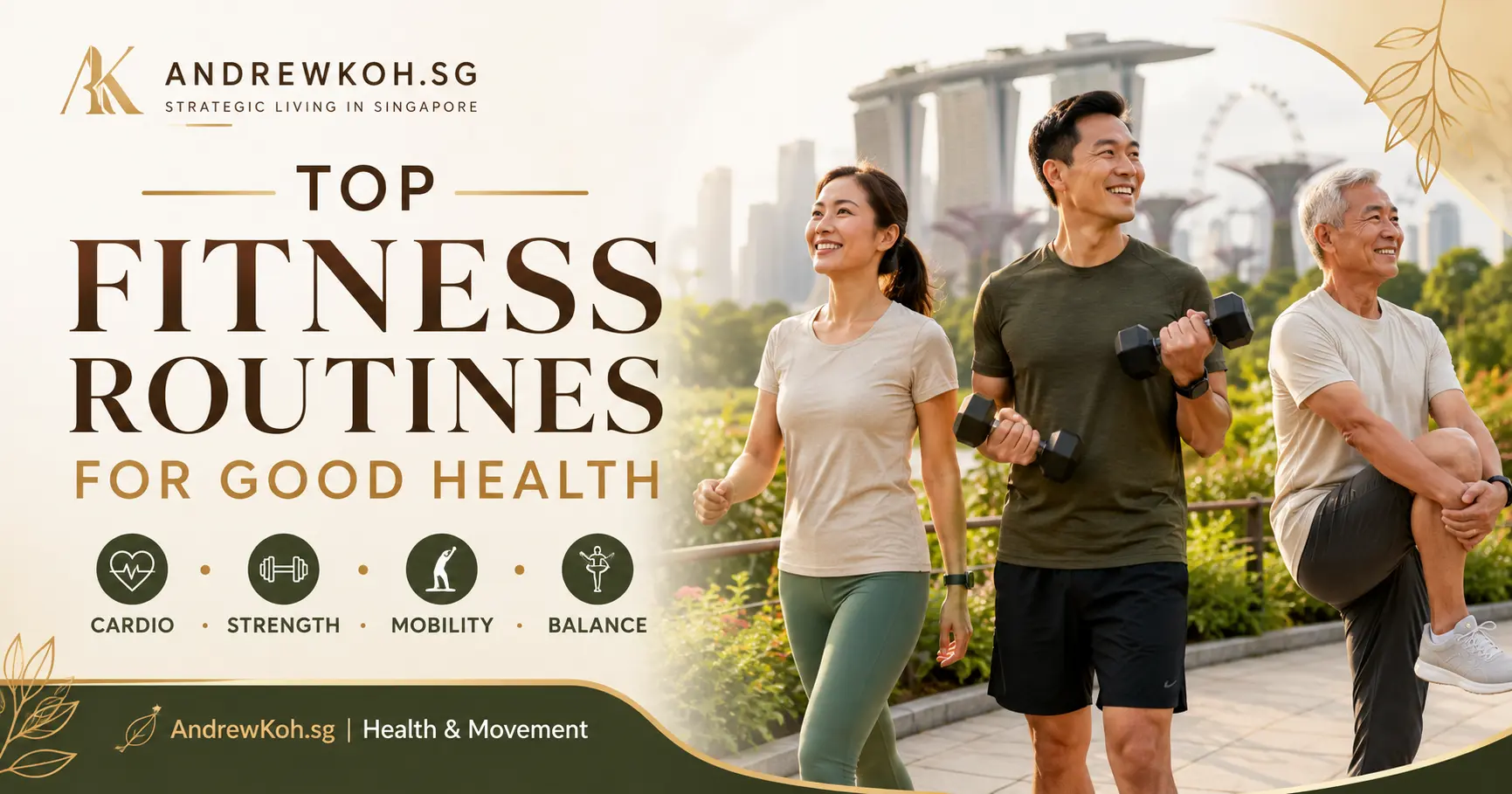
Top Fitness Routines to Keep You in Good Health

Top Fitness Routines to Keep You in Good Health: A Complete Guide

Maintaining good health requires consistent physical activity and a well-rounded fitness approach. Discover the top fitness routines that deliver maximum health benefits and help you build a stronger, healthier body.

1. Cardiovascular Training for Heart Health

Regular cardio exercises are fundamental fitness routines for keeping your cardiovascular system strong. Running, cycling, swimming, and brisk walking improve heart function, lower blood pressure, and reduce the risk of chronic diseases. Aim for at least 150 minutes of moderate-intensity cardio weekly to maintain optimal health.

2. Strength Training for Longevity

Strength training is one of the most important fitness routines for good health at any age. Lifting weights, using resistance bands, or performing bodyweight exercises builds muscle mass, strengthens bones, and boosts metabolism. Include 2-3 strength sessions per week to preserve muscle as you age and maintain functional fitness.

3. Flexibility and Stretching Exercises

Yoga, Pilates, and dedicated stretching routines enhance flexibility, improve joint mobility, and prevent injuries. These gentle fitness routines reduce muscle tension, alleviate back pain, and promote better posture—essential components of good health and quality of life.

4. High-Intensity Interval Training (HIIT)

HIIT has become one of the top fitness routines for busy individuals seeking maximum health benefits in minimal time. These efficient workouts alternate intense exercise bursts with recovery periods, improving cardiovascular endurance, burning stubborn fat, and enhancing insulin sensitivity.

5. Low-Impact Workouts for Joint Health

Swimming, water aerobics, elliptical training, and walking are excellent low-impact fitness routines that protect your joints while delivering significant health benefits. These activities are perfect for beginners, older adults, or anyone managing joint concerns.

6. Core Strengthening Exercises

A strong core is essential for good health, supporting proper posture, preventing lower back pain, and improving balance. Incorporate planks, bridges, and Pilates-based movements into your fitness routine to build a stable, functional core.

7. Balance and Stability Training

Often overlooked, balance exercises are crucial fitness routines for preventing falls and maintaining independence as you age. Tai chi, single-leg exercises, and stability ball workouts enhance coordination and proprioception.

Creating Your Personalized Fitness Routine

The best fitness routine for good health combines multiple exercise types. Start with 3-4 weekly sessions mixing cardio, strength, and flexibility work. Listen to your body, progress gradually, and stay consistent. Remember, the most effective fitness routine is one you’ll stick with long-term.

Health Benefits of Regular Fitness Routines

Committing to these top fitness routines provides comprehensive health benefits including improved cardiovascular health, stronger muscles and bones, better mental health, enhanced immune function, quality sleep, and increased energy levels throughout your day.

Wrapping Up with Key Insights

Balance is key: A mix of cardio, strength, and flexibility exercises supports overall health and performance.

HIIT for efficiency: Short, intense workouts maximize calorie burn and endurance gains in less time.

Low-impact options matter: Swimming and brisk walking provide accessible, joint-friendly choices for all fitness levels.

Consistency drives results: Regular, varied routines keep workouts engaging, boost energy, and build long-term wellness.

Core takeaway: Staying active daily with diverse, enjoyable routines is the most effective way to sustain a healthier lifestyle.

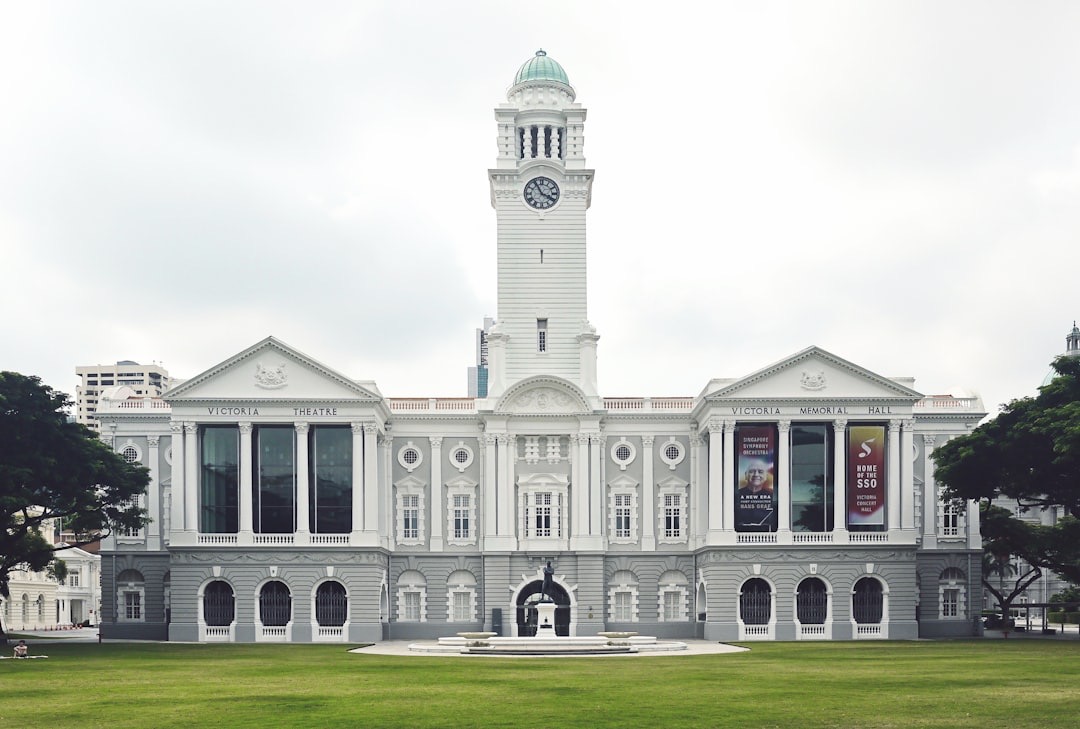
Victoria Theatre and Victoria Concert Hall in Singapore

Unearthing Singapore’s Heritage: A Journey Through Time

Unearthing Singapore’s heritage is a journey through identity.

Beneath the skyline of glass towers and modern infrastructure lies a living tapestry of cultures, traditions, and histories that shaped the nation. From conserved shophouses and colonial architecture to vibrant districts like Chinatown, Kampong Glam, and Little India, each space reflects resilience, diversity, and transformation.

Heritage in Singapore is not confined to museums or monuments. It lives in everyday rhythms — the conversations in multiple dialects at hawker centres, the rituals passed through generations, the shared celebrations of Deepavali, Hari Raya, and Chinese New Year. These moments form the cultural heartbeat of the city.

Institutions such as the National Museum of Singapore and the National Gallery Singapore deepen this understanding. Exhibitions like City of Others: Asian Artists in Paris, 1920s–1940s challenge conventional narratives and highlight overlooked perspectives. They remind us that Singapore’s story, too, is shaped by layered influences and evolving identities.

Some heritage spaces carry personal meaning. Haw Par Villa, once a childhood curiosity of mythical figures and moral tales, reveals deeper significance with time. What once seemed fantastical now reflects enduring lessons about values, consequence, and character. Heritage evolves as we do.

To unearth heritage is not to dwell in nostalgia. It is to understand who we are, where we came from, and how those foundations inform our future. Singapore’s story is still unfolding. The way we preserve, reinterpret, and honour our past will shape the legacy we pass on.

Looking Ahead: What Heritage Truly Means

Heritage is not a static archive of the past; it is a living continuum. As Singapore evolves, the question is not whether modernity replaces tradition, but how the two coexist. Our skyline may rise higher each decade, yet beneath it remains a foundation built on memory, migration, and shared experience.

Understanding heritage requires both reflection and participation. It invites us to move beyond admiration into stewardship — to see ourselves not merely as observers of history, but as contributors to its ongoing narrative.


Key Reflections

Heritage is living, not static
It thrives in daily rituals, spoken dialects, festive celebrations, and shared community spaces — not only in curated exhibits.

Museums and galleries deepen understanding
Institutions like the National Museum of Singapore and the National Gallery Singapore provide context, interpretation, and broader regional perspectives that enrich our appreciation.

Personal experiences give heritage meaning
Childhood memories at Haw Par Villa or encounters with exhibitions such as City of Others remind us that heritage evolves as we mature. Its lessons reveal themselves differently over time.

Preservation is collective responsibility
Safeguarding traditions, conserving built environments, and honouring cultural practices require shared commitment across generations.

Heritage shapes identity and direction
By understanding our foundations, we gain clarity about who we are  and confidence in where we are heading.


Singapore’s heritage is not about dwelling in nostalgia. It is about grounding progress in memory, aligning modern ambition with cultural continuity, and ensuring that development never disconnects us from identity.